
Loading article…


ボリバル・プロパガンダ(チャベス主義プロパガンダ[1]、ベネズエラ・プロパガンダ[2] [3] [4]とも呼ばれる)は、特にベネズエラで行われ、チャベス主義、ベネズエラ社会主義と関連している民族主義 プロパガンダの一種である。このタイプのプロパガンダは、ウゴ・チャベスのボリバル革命[5]と関連付けられており、感情的な議論を利用して注目を集め、国民の恐怖を利用し、スケープゴートとして外部の敵を作り出し、国民の中にナショナリズムを生み出して、反対派を支持するために裏切られたという感情を引き起こした。[6] [7]
ワールド・ポリティクス・レビューは2007年に、チャベスが「ベネズエラを社会主義国家に転換」し始めたとき、プロパガンダは「政府支持者を維持し動員する上で重要な役割を果たした」と述べた。[8]チャベスのイメージは、建物の側面、Tシャツ、救急車、ベネズエラ石油会社(PDVSA)の公式看板、ベネズエラ全土のアクションフィギュアに見られました。[8] [9]ニューヨーク・タイムズの2011年の記事では、ベネズエラには「拡大する国家プロパガンダ複合体」があると述べ、 [10]ボストン・グローブはチャベスを「メディアに精通した、先進的なプロパガンダ家」であり「世論に影響を与える石油の富」を持っていると評しました。[11]
チャベスの後継者ニコラス・マドゥロは、カデナスと呼ばれる義務的なテレビ放送を続けている。マドゥロはベネズエラ国民の間で、特にベネズエラの抗議活動の間不人気となり、エコノミスト誌は「チャベス主義者はかつては宣伝が得意だった。今ではそれさえもできない」と指摘している。[12]エッセイストのアルベルト・バレラ・ティシュカは、国民が国家宣伝を見ると、栄養たっぷりのボリバル政府高官が「退廃」した生活を送っているのが目につくと述べており、それが「ベネズエラ人の貧困」を害し、政府のイメージを傷つけている。マドゥロ政権下ではベネズエラ人の大半が栄養失調に苦しんでいる。 [12]
背景
ボリバル革命という用語は、シモン・ボリバルの「強いが慈悲深い指導者」が率いる南米統一のビジョンに基づいた政治体制[13]を指す。1999年に就任してから数ヶ月後、チャベスはこの革命を通じてベネズエラに劇的な変化をもたらし、「マスコミュニケーションのメディアシステムと政治権力の領域およびそれを超えた領域との関係を根本的に再定義し、国家自体を社会の管理者および規制機関とする」と約束した[14] 。
いわゆる「参加型民主主義」はウゴ・チャベス政権の基盤となり、チャベスは国民的英雄シモン・ボリバルを利用して自らの政治的立場を正当化した。[13] [15]ロリー・キャロルによれば、「メディアの巧みな利用が、チャベスが連続して選挙に勝利し、政権をボリバル革命と呼んだものに変えるのに役立った」という。[16]
チャベスの人気は「カリスマ的正当性の活用」によって達成され、「参加型民主主義」を実現し、政治的立場を強化し、権力基盤を強化するためのプロパガンダプログラムが確立された。[15] [17]ダグラス・ショーンは著書『身近な脅威』の中で、チャベスはカトリック教会にチャベス派の忠実な司教支部を設け、[18] RCTVを閉鎖し、不忠の市民を通報するよう市民に義務付ける法律を改正するなどのプログラムや法律を通じて、大衆主義的なメッセージを広めてきたと述べている。[19]
資金調達
2002年、ベネズエラ政府は、米国におけるウゴ・チャベスのイメージ向上のため、ロビー団体パット・ボッグスと120万ドルの契約を結んだ。2004年、ベネズエラ政府の宣伝資金は、国内では1日3万ドル、国内外での宣伝では1日約100万ドルと推定された。[要出典]
エル・ナシオナル紙によると、2014年にベネズエラの通信情報省(MINCI)の資金の65%が「公式プロパガンダ」に使用された。MINCIへの資金配分は5億ベネズエラ・ボリバル以上だった。これらの資金は、政府の各メディア組織に分配され、VTVには2012年の65%増の1億6104万3447ボリバル、ベネズエラ電気通信公社には9733万5051ボリバル、南部新テレビ局には9686万1858ボリバル、オリノコ通信には2038万1890ボリバル、AVNには4893万5326ボリバルなどが配分された。 [20]
2015年のベネズエラ政府予算では、ベネズエラ政府はニコラス・マドゥーロ政権の功績とされるものの宣伝に18億ボリバルを割り当てたが、これはベネズエラで最も人口の多い自治体であるリベルタドール・ボリバル市の公共の安全のために内務省が割り当てた13億ボリバルを上回っていた。 [ 21]国内宣伝への資金提供は2015年の予算で139.3%増加し、通信情報省の予算の73.7%が公式宣伝に充てられた。[21] 2015年の予算では、政府系メディアへの支払いは年間約36億1000万ボリバルになる可能性がある。[22]
政府および政治組織
通信情報省

エル・ナシオナル紙によると、ベネズエラ政府の情報通信省(MINCI)は2014年度予算の大半を「公式プロパガンダ」に充てた。[20]政治コミュニケーションアナリストのオスワルド・ラミレス氏によると、マドゥロ大統領の支持率が低かったため、MINCIは「プロパガンダ機能」を担ってきたという。[23]全国ジャーナリスト協会(CNP)のニカリ・ゴンザレス副会長は、MINCIは「PSUVに有利な政治プロパガンダを続けている」と述べた。[23]
ベネズエラ統一社会党(PSUV)
ベネズエラ統一社会党(PSUV)は、ボリバル革命支持派とチャベス支持派の政党が合併してできたベネズエラ政府の与党である[24] 。PSUVはプロパガンダを使ってボリバル革命への支持に影響を与えてきた。 [25] [26]ラ・サバナ大学によると、「権力を握って以来、第五共和制運動(MVR)政府、現在のベネズエラ統一社会党(PSUV)は、コミュニケーションに関する3つの基本目標の達成にエネルギーの大半を費やしてきた。…すべての視聴覚および電子メディアを管理する単一の規制枠組みの構築、代替コミュニティメディアと公共メディアの拡大、それに先立つ強力な経済投資、トレーニング、機器の提供、インフラストラクチャの改善、コンテンツ管理、助成金や周波数へのアクセス、トレーニングコースの管理などを一元化する独立機関の設立などを通じて、これらのメディアデバイスの運用を最適化すること」である。[14]
PSUVの宣伝・煽動・コミュニケーション委員会
2014年8月27日、PSUVの宣伝・煽動・コミュニケーション委員会の初会合が開催された。委員長のエルネスト・ビジェガスは、委員会は「偉大なコミュニケーター、煽動者、プロパガンダの司令官であるウゴ・チャベスが、今も我々と共にあり、これからもそうあり続けるだろう。彼のメッセージ、彼の政治理念は、我々を共に前進させ、ボリバル社会主義を建設してこの民衆を征服するべく駆り立てる、指針であり永遠の炎である」と認識していると述べた。ビジェガスはさらに、「委員会はPSUVが発行した政策ガイドラインに基づくコミュニケーション戦略を計画した」と説明した。PSUVによると、「委員会のメンバーは、真実を守り、ボリバル革命に対する戦争を阻止するための計画を策定し、行動を実行するために、定期および臨時の会合を開く」という。[25] [26] [27]
国家宣伝・煽動・コミュニケーション委員会は、街頭の人々に、自分たちの作品を使って公共の場で宣伝活動を行い、「資本主義の搾取と支配の関係」に対抗するよう奨励している。委員会のウェブサイトには、ベネズエラ人が宣伝用の落書きをスプレーで描くためのステンシルが掲載されている。エルネスト・ビジェガスは、「私たちは各旅団に行き、絵画や宣伝用のいくつかの要素を持っていきます。そのために、街頭に壁画や、真実を語り、記憶、熱意、楽観主義を伝えるボリバル革命の声の存在を発信します。追加情報が必要です」と語った。[28]
メディア
ボリバル革命のプロパガンダはベネズエラ国内外で広められている。[29]ボリバル革命はあらゆる媒体を通じて宣伝されている。テレビ、ラジオ、インターネット(ベネズエラ連帯キャンペーンなどのウェブサイト)、雑誌(ビバ・ベネズエラなど)、新聞、壁画、看板、記念品(アクションフィギュア、Tシャツ、ポスター)、学校(授業計画や本を通じて)[17]映画、交響楽団(シモン・ボリバル交響楽団)、フェスティバル、公共交通機関(バスや救急車など)[8] 。ベネズエラでは「ウゴ・チャベスはどこにでもいる」とされ、シモン・ボリバルとの類似点を描いた画像も見られる。社会主義支持のメッセージに付随する典型的なイメージは、赤い星、チェ・ゲバラの肖像画、シモン・ボリバルの肖像画、赤い髪留め、ベネズエラの国旗、「邪悪な」アンクル・サム、蛇の姿のアンクル・サム、そしてスーパーマンのロゴを持つチャベスである。[8]野党候補のマリア・コリーナ・マチャドは、「チャベス批判者を嘲笑するスポット広告を大量生産し、与党候補者が中心のトークショーを運営し、大統領の演説をすべて取り上げる、政府が組織したプロパガンダ・マシンと呼んでいるものに不満を述べた」[30] 。
2007年に、通信情報省は次のように述べている。[14] [31]
新たな戦略的展望が生まれるなか、イデオロギーの領域での戦いは、人々の心と精神をめぐる思想の戦いと関係している。我々は新たな計画を策定する必要があり、提案しているのは国家のコミュニケーションと情報の覇権である…我々の社会主義にはコミュニケーションの覇権が必要である…すべてのコミュニケーションは公共財としての国家に頼らなければならない。
この計画に従い、ベネズエラ政府は反対派の民間メディア組織を閉鎖・制限し、公共の宣伝媒体を拡大したが、[31] [32]当初は国内にメディアの多様性があることを示すためにグローボビジョンを許可していた。 [31]ベネズエラ政府はグローボビジョンを罰金とレトリックで嫌がらせし、過半数の所有者が国外に逃亡した後、数十のラジオ局を閉鎖し、すべてのメディア組織に政府を批判すると閉鎖される恐れがあると警告した。[31]エル・パイス紙によると、2023年までにチャベスの「コミュニケーション覇権」は達成され、ケーブルテレビにアクセスできない視聴者は「チャベス主義のプロパガンダの大量提供」に限定されるという。[33]
ダニエル・アギーレとキャロライン・アビラは、2020年の『プロパガンダの賢人ハンドブック』の中で、「チャベスが直接表明し、後に親政府メディアによって流布されたプロパガンダメッセージを増幅する新しいメディアの出現」は、チャベス主義下のベネズエラにおける報道の自由の制限に関する報告書で取り上げられていると述べている。著者らは、テレスール、TVes、「アロ・プレジデンテ」テレビ番組、放送時間を奪うカデナ、そしてチャベス政権とマドゥロ政権下でのRCTVのケースのような「大統領の行動、議会、メディアの嫌がらせの組み合わせ」が「偏っていて、結果的に組織的プロパガンダに似た」「ポピュリストのコミュニケーション」をもたらしたと述べている。[34]
テレビとラジオ
チャベスはプロパガンダを利用して、テレビで自身の成功を絶えず語り、その結果、大衆の支持基盤が拡大した。[35]チャベス政権下では、国営テレビ局の数は1局から8局に増え、各局で常にチャベスが放映された。[36]チャベスの発言は「事実上の法律」となり、彼は予測不可能で素晴らしいパフォーマンスを披露したため、テレビ出演には緊張感が生まれた。[36]
マドゥロ政権下では、政府の「主な武器は、ベネズエラが経済戦争の犠牲者であるという滑稽な主張を際限なく繰り返すテレビの国家統制のままである」。しかし、チャベスとは異なり、マドゥロには大衆から好意的な注目を集めたカリスマ性が欠けている。[12]
カデナ

ベネズエラの行政機関は、カデナ(義務的なテレビ放送)でベネズエラのテレビ放送を中断する許可を得ていた。チャベスの前任者は、緊急時や重要なイベントの場合にのみ放送を使用していた。[36]しかし、ウゴ・チャベスは数日おきにカデナを使用し、何時間も通常の番組を占拠することが多かった。また、ベネズエラの都市部と農村部の視聴者全員に継続的に放送することで、批判と戦う効果的な武器として放送を使用した。テレビ番組を中断するカデナのトピックは、ロシア代表団の訪問からトラクター工場の見学まで多岐にわたり、チャベスが話すのをやめたいと思うまで番組は続いた。[31] 2010年までに、チャベスは1,300時間、つまり53日間をカデナで話し、合計1,923のカデナは平均40分間続いた。[31]
ニコラス・マドゥーロ大統領の任期中、米州機構の米州人権委員会は、マドゥーロ大統領は「政府のメッセージを伝えるために義務付けられた国営ラジオ・テレビ放送を使い続けている」と述べ、マドゥーロ大統領を批判し、「共和国大統領による定期番組の中断は、どんな情報でも良いというわけではない。むしろ、国民にとって重要で、国民が公共生活に実際に参加するために本当に必要な事実を知らせることで、大衆の関心を引く情報でなければならない」と述べた。[37] 2013年9月10日、マドゥーロ大統領は「民間メディアは公式の行為を報道せず、政権の業績を隠蔽すると考えているため、政権の活動に関する情報を提供する義務的な国営放送」である「真実のニュース」の創設を発表した。[37] 2013年4月から2016年1月までの間、マドゥロ大統領はカデナスでの演説に500時間以上を費やし、放送料は1分あたり255,000ボリバル・シリングであった。[38]
大統領閣下
2001年、彼はラジオ番組から、ボリバル革命を推進する本格的な生放送の台本なしテレビ番組へとアロ・プレジデンテを転換し、ベネズエラの経済問題は北の隣国である米国のせいだと非難した。米国はチャベスの「政策と思索を大衆向けに宣伝する演説台」であり、ボストン・グローブ紙はチャベスを「世論に影響を与える石油の富を持つ、メディアに精通した先進的なプロパガンダ担当者」と評した。[11]多くのベネズエラ人がこの番組を視聴したのは、彼が「支持者に贈り物や支援で報い、生死の問題ではないにしても、少なくとも個々の国民の運命を決める」ためだった。[6] 1999年から2009年まで、チャベス大統領は平均して週40時間をテレビに費やし、[18] 2000年から2010年の間には1,500時間以上を番組で資本主義を非難した。[39]
「アロ・プレジデンテ」の制作は、チャベスが視聴者に植え付けたかった物語を作り上げるために、よく練られたものだった。[40]ロンドン・スクール・オブ・エコノミクス・アンド・ポリティカル・サイエンスによる2015年のケーススタディでは、「アロ・プレジデンテ」におけるウゴ・チャベスのポピュリズム的レトリックに焦点を当てており、彼のスピーチにおける個人主義は大統領在任中ずっと一般的であったが、分極化や「革命的」な言葉遣いが増加した。[15]チャベスは、この番組を利用して、彼を支持した者は報われ、そうでない者はスケープゴートにされたことをベネズエラ国民に示すつもりだった。[6]
2015年、フォーリン・ポリシー誌はアロ・プレジデンテについて次のように述べている。[41]
ジェイ・レノとムッソリーニをミックスしたようなこの番組では、チャベスが野球からジョージ・W・ブッシュまであらゆることについて意見を述べたり、民衆からの電話に応答したり、個人的な逸話を語ったり、大臣を叱責したり、戦争の開始を告げたり、歌い出したりした。ナオミ・キャンベル、ダニー・グローバー、ショーン・ペンなどの国際的な有名人がこの番組に出演し、チャベスの永続的な社会主義革命というブランドにスターパワーを貸した。
テレスール
[イサラ]はテレスルに身を投じ、主導権を握った。彼にとって、ラテンアメリカのアイデンティティを推進したり、テレビで何か違うことをしたりすることは重要ではなく、チャベスの国内政策に奉仕し、政治的手段となることだった。それは、プロパガンダをニュースとして流すことを意味した。敵と同じゴミだが、反対側からのもの。さようなら、信頼性。彼らはそれを殺した。イサラは議論しなかった。彼は2008年12月に私を追い出した。
アラム・アハロニアン、テレスール創設者[42]
2005年にテレスールが設立された後、それはラテンアメリカの多様性を示すネットワークであると評されました。 [ 42]しかし、2007年以降、テレスールはウゴ・チャベスと彼のボリバル革命の宣伝ツールであると思われるようになり、アンドレス・イサラがネットワークのトップに就任して以来、同ネットワークは「チャベスの代弁者」と評された。[43] [44] [45] [42] ボストン・グローブ紙は、チャベス政権はテレスールの機能の70%に資金を提供し、放送設備も提供し、他の左派政権も同ネットワークを支援し、「CNNに対するラテン社会主義の回答」として宣伝したと報じた。[11]外交問題評議会の元国際問題研究員であるジョエル・D・ハーストは、米州ボリバル同盟(ALBA)は宣伝の重要性を認識し、「西半球全体の情報統制という野心的な計画に着手」し、2005年にテレスールを設立してその計画を開始したと述べた。[46]テレスールは「メディアを多様化するための控えめな試み」から「国際的な人物としてのウゴ・チャベスのカリスマ的な存在を促進する」組織へと変化した。[47]
レガトゥム研究所は、テレスールは「政権の不正や失敗を隠蔽しようとしている」と述べ、「テレスールは他国での否定的な出来事を誇張して報道することに重点を置いており、ベネズエラのスーパーマーケットの行列と米国の「ブラックフライデー」のショッピングホリデーの行列を同一視するなど、誤った比較を行っている」としている。[6]
ベネズエラテレビ
2004年2月、国営テレビ局ベネズエラテレビ(VTV)の社長は、VTVは国営テレビ局ではなく、チャベス大統領の政党の局であると述べた。VTVは9月11日の攻撃を野党と比較する広告を流し、「国民はテロリストが誰であるかを知っている」と述べた。2002年から2003年にかけてのベネズエラのゼネストの間、VTVはガスボンベを待つベネズエラ人を描いた広告を流し、「野党はベネズエラ国民にテロを仕掛け、飢餓と失業をもたらした。新しいPDVSAのおかげで、PDVSAは私たち全員のためのものであり、私たち全員がPDVSAなのです」と声を張り上げた。VTVはまた、親政府集会の画像を大きく見せるために改変したり、野党メンバーや元支持者を攻撃するために時代遅れのビデオを使ったりした。[要出典]
インターネット
インターネットはブルジョア階級だけのものではありません。イデオロギー闘争のためのものでもあるのです...
ウゴ・チャベス[39]
モロゾフは、著書『ネットの妄想:インターネットの自由の暗黒面』の「ウゴ・チャベスがスピンインターネットにようこそ」という章で、1997年のある学者によると、インターネットはもともと「政治家のプロパガンダの影響を受けにくくする」はずだったが、チャベスらはその予測が間違っていたことを証明したと説明している。[39]ウゴ・チャベスの政権は、彼のメッセージを広め擁護するために「政府資金で運営されているが技術的には独立したオンラインコメンテーターの集団を雇った」。[39]
ソーシャルメディア
チャベス大統領は、他の独裁政権と同様、当初はツイッターを「甘やかされた子供が自分を批判するサイト」と呼び、反対していた。[31]モロゾフによれば、インターネットの検閲が「非現実的、政治的に擁護できない、または法外に高価」になると、政府はプロパガンダを試し始める。[39]野党によるツイッターの利用が増えるにつれ、チャベス大統領はツイッターを簡単に検閲することができなかったため、ソーシャルメディアのウェブサイトに自身のイデオロギーを載せるためにユーザーになることを選んだ。[39] 2010年4月、チャベス大統領はツイッターのアカウントを作成し、1か月以内に50万人のフォロワーを獲得し、これを「大統領の振り付けの一部」と付け加えた。[31] [39]チャベスのツイッターでの人気は、彼のカリスマ性だけでなく、政府の資源の活用にも起因しており、チャベスはテレビ演説で、何百人もの公的資金で運営する職員を「ツイッター戦争に勝つために」使うと発表した。[39]そして何百人もの政府職員がチャベスのツイッターアカウントの管理を手伝った。[31]ツイッターは最終的にベネズエラで最も人気のあるソーシャルメディアサイトとなり、ベネズエラ人は世界でも最も多くのツイッターユーザーを抱えるようになった。[48]
マドゥロ大統領の政権下で、ベネズエラ政府は支持を得るためにプロパガンダやイデオロギーを広めるために数万のツイッターボットを使った。[49]オックスフォード大学の計算プロパガンダ研究プロジェクトは、ベネズエラがソーシャルメディアの投稿を広めるためにボットを頻繁に使用していることを発見した。[50]ユタ州立大学データサイエンス研究所による別の研究でも同様の活動が発見され、キュミン・リー教授は「ボット同盟が存在するという結論に達する」と述べた。[48]ツイッターはベネズエラ政府が使用する約6,000のボットを無効化した。[49] 2014年以来、国民権力通信情報省は支持者、国営メディア関係者、省庁、その他の政府機関が繰り返すためのメッセージを送信している。[48]ベネズエラ政府はまた、マドゥロ大統領のツイートを自動的にリツイートするモバイルアプリを作成した。 [48]
2019年1月31日、Twitterはイラン、ロシア、ベネズエラの政府に関連する何千もの偽アカウントを削除し、これらのアカウントが連携して国際政策に影響を与えると述べた。ベネズエラの偽アカウント約2,000件が削除された。[51]
2019年9月29日、ニューヨークタイムズは、ソーシャルサイエンスワンの調査員アリエル・シーン氏の言葉を引用し、ベネズエラでもフェイスブック上に組織的かつ不正な行為を行っている偽アカウントが多数存在していると報じた[52]。
印刷
1999年、チャベスは印刷メディア、主にバレットのCorreo del Presidenteのような地方紙を通じて革命を宣伝し始め、10年以内にベネズエラを先進国に変えるというメッセージに重点を置いた。[要出典]
2014年9月、いくつかの民間新聞が紙の備蓄が枯渇したと発表した数日後、[53]マドゥーロ大統領は2つの国営新聞の創設を発表し、「広告担当副大統領が街頭や大衆に向けて宣伝部隊を派遣する」と述べた。ベネズエラ政府は提案された2つの国営新聞に加えて、コレオ・デル・オリノコ、シウダ・カラカス、シウダ・バレンシア、シウダ・ペタレの4つの新聞を発行している。[54] [55] 2014年10月、ベネズエラ人民革命党宣伝扇動通信委員会副委員長エルネスト・ビジェガスは、ベネズエラ政府によるディアリオVEAの買収を発表した。国会議長ディオスダド・カベロは買収について「自前のメディアを持つことが今年の目標の一つだ。神のご加護があれば、数日中に新聞を持つことができるだろう。そのために必要なことはすでにすべて行っている」と述べた。[56]
看板と壁画


ベネズエラでは、チャベスの顔は全国各地の何万もの看板、ポスター、建物に描かれており、通常は「社会主義改革」の成果が添えられている。[9]これらの画像は「イデオロギー的熱意、政治的忠誠心、尊敬の念を喚起することを目的としている」[58] 。
ベネズエラ政府は、ウゴ・チャベスの「名前、イメージ、人物」を公共の場で使用する前に許可を得ることを義務付けている。[9]カラカスのPDVSA本部では、公共機関での政治宣伝を憲法で禁じているにもかかわらず、チャベスの大きな横断幕が建物に掲げられた。[57] BBCによると、ベネズエラには数十のチャベス支持団体が落書きをしており、そのほとんどは政府が後援している。[9]カラカスでは、解放者、革命家、左翼の象徴を社会主義の理想と結びつける政府後援のイメージ作品が目立つ。[58]政府のイメージに含まれる人物には、シモン・ボリバル、チェ・ゲバラ、ウゴ・チャベスがいる。 [58]
2012年のベネズエラ大統領選挙の際、ベネズエラ東部では、石油精製所の事故やその他の環境災害によりベネズエラ政府の支持を失ったため、チャベスのプロパガンダが看板や横断幕などの物で地域一面に広がったとされている。[59]
2022年までに、ブルームバーグの記事は、「かつてチャベス主義のプロパガンダで溢れていた空間」がより資本主義的な広告に置き換えられつつあると述べた。[60]
膜
_Hugo_Chavez_-_Oliver_Stone.jpg/500px-Flickr_-_nicogenin_-_66%C3%A8me_Festival_de_Venise_(Mostra)_Hugo_Chavez_-_Oliver_Stone.jpg)
2006年に設立された国営映画・テレビスタジオであるヴィラ・デル・シネも、ニコルズ・アンド・モース[61]や独立系映画製作者によると、「プロパガンダ工場」として批判されている。[62]チャベスは、ヴィラ・デル・シネが「ハリウッドの独裁」を打破するのに役立つだろうと述べた。 [62]
アイルランドのドキュメンタリー『革命はテレビ放映されない』は「チャベス版[クーデター]を海外で有力に支持し、彼をロマンチックな英雄として描いた」[63] 。ボリバル政府の支持団体、例えばグローバル・エクスチェンジ[64] [65]やベネズエラ情報局[66] [67] [68] [69]は、イベントでこの映画を上映した。[70]ボリバル政府はチャベスへの支持を高めるためにもこの映画を利用し、ベネズエラのテレビ放送で頻繁に放映されたり、「政治的に論争の多い時期」に使用されたりしている。[70]
2009年、オリバー・ストーンは、ラテンアメリカにおけるポピュリスト政権の台頭を描いた長編ドキュメンタリー『サウス・オブ・ザ・ボーダー』を完成させた。この作品には、ベネズエラのウゴ・チャベス大統領を含む7人の大統領が登場する。ストーンは、この映画が西側諸国に、特にウゴ・チャベス大統領が実施していた南米の社会主義政策を再考させるきっかけとなることを期待した。 2009年9月、ヴェネツィア国際映画祭でドキュメンタリーのプレミア上映にチャベスもストーンとともに出席した。
陰謀疑惑
エコノミスト誌によると、「メディアによる陰謀は、チャベスが2002年に短期間追放されて以来、政府のプロパガンダの定番となっている」という。[71] 2002年のベネズエラのクーデター未遂事件の後、ベネズエラ政府と支持者による陰謀論は、クーデターへの米国の関与を主張するものとなった。[72] フォーリン・ポリシー誌は、「そのようなレトリックは、チャベスが築いた社会主義政権の正当性の残された主な源泉である包囲心理を広めるのに不可欠である可能性がある」と述べている。[73]
AP通信は、「チャベス政権はCIAや外部の影の組織を非難する傾向があった」と報じたが、マドゥロ大統領は「しばしば地元の野党関係者を標的にしていた」。チャベス政権下では63件の暗殺やクーデター計画があったとされるが、マドゥロ大統領は就任後15か月で数十件を非難した。ベネズエラ政府の陰謀説には証拠が伴うことはほとんどなかった。[74] [75]政府支持派の一部は「共謀者たちが新聞のクロスワードパズルを使って国家の敵と連絡を取り、左翼指導者にガンを起こさせる道具を開発し、クーデターを企てて『クリスマスを台無しにする』計画を立てていると非難している」。[74] 2014年のベネズエラの抗議活動の際、マドゥロ大統領は抗議活動は「米国の政治・金融エリートによって組織され、指揮されている」ものであり、進行中のクーデターだと主張した。[76]
AP通信は、外国人には「その疑惑は突飛に思えるかもしれない」が、政府支持者には「その容疑はそれほど突飛ではない」と指摘している。政府支持者がこのように考える理由として、ベネズエラ人は冷戦中に左派政権に米国が介入したことや、米国が2002年のクーデターを支持したことについて「よく知っている」としている。批評家によると、ベネズエラ政府が持ち出した陰謀は、高インフレ率、高殺人率、物資不足などの国内問題から注意をそらすものだという。[74] [75]ノースカロライナ大学でラテンアメリカを専門とする政治学教授グレゴリー・ウィークスは、陰謀説は「マドゥーロ政権が戦略にさらなる偏執狂を加えた方法の1つ」であり、「チャベスも地元の反対派を攻撃したが、そのために陰謀説を使う必要性を感じなかった」と述べた。[74]
教育
ブライアン・A・ネルソンは『沈黙と蠍座』の中で、チャベスへの反対は「母親たちが、子供たちの新しい教科書が実は革命的プロパガンダでいっぱいのキューバの教科書だと気づいたときに生まれた」と述べている。[77]ニコルズとモースは『ベネズエラ(ラテンアメリカに焦点を当てる)』の中で、チャベスの目標を反映するために導入された「ボリバルカリキュラム」は、学校での政治宣伝を禁止した1980年の法律に反するものだったと述べている。[78]ベネズエラ政府は、ビセンテニアルコレクションと呼ばれる3500万冊の書籍を小中学校に配布した。これらの書籍にはそれぞれ「政治的な内容」があり、2010年から2014年の間に500万人以上の子供たちが使用した。[79]ベネズエラ教育議会のレオナルド・カルバハルによると、書籍のコレクションは「下品なプロパガンダになった」という。 [ 79]ベネズエラの歴史家イネス・キンテロ、すべての社会科学の書籍において「歴史の濫用があり、現在の政治計画と政府の政治プログラムを支持する傾向が明らかである」と述べた。[79]ロイター通信によると、新たに導入された児童向け教科書の最初のページには、「ウゴ・チャベス:ボリバル革命の最高司令官」と書かれている。[80]
2007年、ベネズエラ政府は教育のための新しいカリキュラムの計画を発表した。ジャーナリストのアンドレア・モンティラはエル・ナシオナル紙で、この新しいカリキュラムは「学校に社会主義を唯一のイデオロギーとして押し付けようとしている」と主張した。 [81] [82] 2014年、政府は提案されたカリキュラムを実施するための新たな取り組みを始めた。2014年4月、政府は「学校にどのような希望がありますか」などの質問や教師に関する質問を含むアンケートに生徒に答えさせた。また、「プラン・デ・ラ・パトリアの目的達成に役立つ方法を教える、または学ぶ」という質問もあった。ベネズエラ私立教育会議所は提案された計画への参加を拒否し、同会議所の教育専門家マリアーノ・エレラは、このプロジェクトには「政治的偏りがある」と警告した。[82]ベネズエラ教師連盟(FVM)の会長オルランド・アルズル氏は、「ボリバル主義の新カリキュラムも偏っており、チャベスを崇拝するために使われている」と述べ、「政府が教師に『祖国の賛美歌』を歌うよう強制していることに驚いている」と続けた。[83]
NGOベネズエラ・アウェアネスの代表パトリシア・アンドラーデ氏は、政府の新カリキュラムに含まれる新しい教科書には「社会主義の思想的教義が大量に含まれており」、また「これらの教科書は子供たちの批判的思考を排除し、ボリバル革命の思想という単一の思想に洗脳される基礎を作っている」と述べた。数学の教科書には「チャベスが導入した社会福祉プログラムへの言及が頻繁にある」。歴史書では、ベネズエラの過去40年間の民主主義を説明するページは1ページしかないが、チャベスについては20ページ以上が割かれている。ベネズエラ教師連盟の広報担当マリア・テレサ・クレメント氏によると、歴史書の変更は「以前の歴史記録が無関係であるかのように、一人の大統領[チャベス]が果たした役割を中心に展開している」という。他の本にも反資本主義的な態度が含まれ、「国の経済部門と米国を国の大敵として描いている」。ある文書は「経済団体が米国の支援を受けてクーデターを起こし、ベネズエラの海域に侵攻した」としている。[81]
2014年、マルガリータ島とコチェ島の教師の集会は、 3月5日から15日までの日々が「故ウゴ・チャベス元大統領を崇拝するため」であると主張し、地域および国家レベルでの「教育者による子供たちの教化」の停止を要求した。[84]
ベネズエラ私立教育協会会長マリア・テレサ・エルナンデスは、政府による決議058は「違憲」であり、「政権の政治的プロジェクトを持つコレクティボがベネズエラの公立および私立学校に直接関与することを求めている」と主張している。彼女は続けて、学童は「非常に操作されやすい」ため、自ら政治的信念を育む必要があると述べた。[85]
ベネズエラ軍

マヌエル・アンセルミは『チャベスの子供たち:ラテンアメリカの思想、教育、社会』の中で、「ボリバル主義のプロパガンダが代替政治教育の源泉として重要であることを理解するには、ウゴ・チャベス自身の証言が役に立つ」と述べている。チャベスは「社会主義と軍事理論の古典を読み、民主的な民衆蜂起における軍隊の可能な役割を研究した」と説明している。[86]
選挙
チャベスの選挙運動
チャベスが選挙制度を設計した方法と選挙のスピードが速かったことは、反対派が彼と同じだけの資源と資金を持っていなかったため、彼にとって有利だった。[41]選挙運動中、チャベスはアスリートであるなど、さまざまな方法で描写された。[87]政府が建設した住宅を宣伝する広告では、住宅を受け取った男性が「まず神、次に私の指揮官」(後者はチャベスを指している)と述べたという話が語られた。 [ 88]彼の「選挙宣伝」には、チャベスの目を表現した壁画、肖像画、芸術も含まれていた。[89]
『独裁者の学習曲線:民主主義のための世界的戦いの内幕』の著者ウィリアム・J・ドブソンによると、「チャベスは選挙を恐れず、むしろ選挙を歓迎した」。なぜなら、「票を水増しするよりも、チャベスは戦況を有利に傾けて、自分を破ることはほぼ不可能にできると理解していたからである」。ドブソンは続けて、「チャベスの選挙資金は、石油収入数十億ドルを蓄えた不透明な裏金で賄われていた。政府のメディア支配が野党の声をかき消した」と述べた。[90]
マドゥロの選挙運動

According to the Organization of American States' Inter-American Commission on Human Rights, Nicolás Maduro "has continued to use obligatory national radio and television broadcasts to transmit government messages" and that "the use of obligatory national broadcasts intensified during the campaign and in the days following the April 2013 presidential elections, on a number of occasions interrupting speeches or press conferences given by leaders of groups in opposition to the government".[37]
Andrés Oppenheimer stated in a Pittsburgh Tribune-Review article that Maduro had a much larger advantage in the 2013 presidential elections saying that the elections were "one of the most uneven electoral contests anywhere in recent times". Oppenheimer said that when Maduro was acting as interim president, when he extended mourning for Hugo Chávez's death it gave "a huge propaganda advantage to Maduro". He also explained that Maduro had "a more than 10-1 advantage in television propaganda time", where Capriles was only allowed 4 minutes of advertising per day, Maduro had the same 4 minutes, 10 minutes for government public service ads and an unlimited amount of time for "obligatory national broadcast speeches".[91]
Following the 2018 presidential elections, President Maduro was observed on state-media waving to a supposed audience during a victory speech, though later footage showed that he was waving to an imaginary crowd in what was described as a propaganda stunt.[92][93]
International


In The Rhetoric of Soft Power: Public Diplomacy in Global Contexts by Craig Hayden, it is explained that Venezuela is "well positioned to develop strategic communication programs, given its oil-related revenues" and that Venezuela "invested considerable resources" in order to "amplify the possibilities of the 'Bolivarian Revolution' for regional integration".[47] The Bolivarian government would also use "supportive statements from allied regimes" while the such regimes would "routinely back each other up publicly, adding credence to their propaganda and jointly discrediting Western media outlets and unallied foreign governments in order to minimise the impact of future criticism".[6] The Bolivarian government would also use the support of "heads of state and left-leaning international celebrities, such as Naomi Campbell, Danny Glover, and Sean Penn" for propaganda purposes.[6]
In 2001, the United States Assistant Secretary of State for Western Hemisphere Affairs, Peter F. Romero stated that "Bolivarian propaganda" of both Chávez and then defense secretary José Vicente Rangel was not just verbal, that there were "indications that the government of Chávez has supported violent indigenous movements in Bolivia, and in the case of Ecuador, military coup members" and called both individuals "professional agitators."[94]
Brazil
In November 2014, the Federal Public Ministry of Brazil accused Elías Jaua of taking 26 children from Brazil since 2011 "in order to be indoctrinated in the Bolivarian revolution" and were allegedly used for Venezuelan government communication brigades.[95][96]
Ecuador
In an El Nuevo Herald report, former Venezuelan intelligence officials from SEBIN presented evidence that the Venezuelan government allegedly worked through both the Patriotas Cooperantes and Mission Barrio Seguro programs to "promote their revolutionary ideology" through members of the programs.[97] Former SEBIN officials also stated that some members of the program were also "providing information on potential enemies of the revolutionary process".[97]
Mexico
According to La Crónica de Hoy, in 2006, students that were supported by Venezuelan agents printed "Bolivarian propaganda in favor of Andrés Manuel López Obrador" a leftist presidential candidate.[98] Bolivarian Circles were reportedly formed and received "economic support, logistic advice and ideological instruction from activists trained by the Venezuelan government" and had links according to intelligence reports with FARC, the Popular Revolutionary Army and the Ejército Revolucionario del Pueblo Insurgente (Ejército Revolucionario del Pueblo Insurgente [es]).[98]
Palestine
In November 2014, Palestinian students who aspired to be doctors were accepted into Venezuela through the Venezuelan government's Yasser Arafat Scholarship Program to earn medicine degrees. Months later in July 2015, dozens of students had already left Venezuela and began to drop out, stating that the Venezuelan government program "consisted only of Spanish language lessons and indoctrination about Venezuela’s 16-year-old socialist revolution". The departure of the students resulted in the freezing of the program.[99]
Spain
In Madrid, former Foreign Minister Elias Jaua introduced a cultural center that would tell the history of Venezuela and allegedly promoted the cult of personality of Chavez.[100] In a November 2014 conference, photos of Hugo Chávez surrounded the audience and accused the Spanish Crown of destroying the Venezuelan economy.[100]
According to ABC, Venezuelan radio and television transmitted in Spain portrays a happy Venezuela that is free of conflict which the newspaper says "exists only in the minds of the official propaganda designed to extend the legacy of the late Hugo Chávez".[100] ABC states that TeleSUR, which is primarily sponsored by Venezuelan state funds, spread the Bolivarian ideology throughout Spain since it was introduced in 2007.[100] TeleSUR partners with Spanish channel Tele K, which is also home to Pablo Iglesias Turrión.[100] Iglesias was then quoted by Enrique Riobóo, founder and director of Channel 33 for Tele K, as a supporter for the creation of an independent TeleSUR channel for Europe and cooperation of media between Venezuela and Spain.[100]
United States
Between 2004 and 2009, Venezuela spent about $1 billion on propaganda directed towards the public in the United States and Western countries.[101] Gustavo Coronel, writing in Human Events, said that Chávez has a costly and "intense propaganda machine" operating via the Venezuelan Embassy in the United States that attempted to tell Americans "that Hugo Chávez is universally loved by Venezuelans while the United States is bitterly hated".[102] A 2005–2009 [103] Citgo program to donate heating oil to poor household in the United States was seen by critics "as a propaganda stunt."[104]
Global Exchange
In The Threat Closer to Home: Hugo Chávez and the War Against America, one of the Venezuelan government's propaganda methods discussed included the use of politically focused tourism for Americans.[105] The Venezuelan government called upon the advocacy group Global Exchange to attract citizens from the United States with discounted travel packages.[105] According to the Capital Research Center, Global Exchange had been "spearheading much of Venezuela's U.S. propaganda campaign" offering what were called "reality tours" to Americans.[106] The tours were described as being Potemkin-like by a European diplomat, being "planned down to the last detail" in order to promote the Bolivarian Revolution and anti-American sentiments to the tourists.[105] The tourists saw the PDVSA headquarters for choreographed meetings, experienced trips to various Venezuelan government facilities, visits to missions against poverty or socialism groups and a meeting with the electoral commission.[105] The New York Times and BBC News stated that the tours also included meetings with Venezuelan activists such as Eva Golinger, community leaders and the tourists watched the Chávez-approving documentary The Revolution Will Not Be Televised.[64][65]
Venezuela Information Office (VIO)
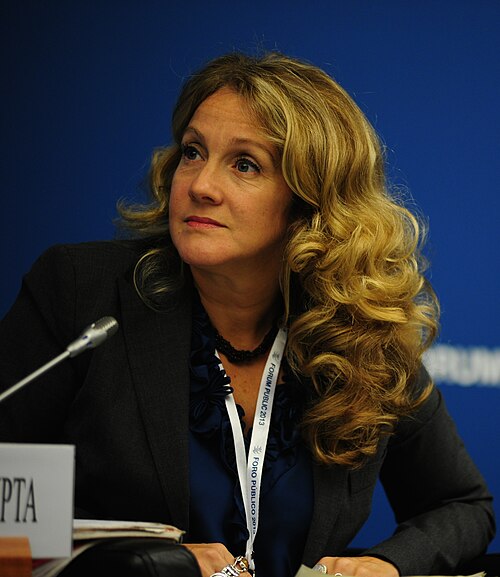
The Venezuela Information Office (VIO) was a Washington, DC-based lobbying agency[107] that had a stated mission that was "to prevent US intervention in Venezuela" and to "improve the perception of Venezuela by the American people by managing the communication process through the media".[108] Founded in July 2003 by the Venezuelan government[109][110] the VIO was funded by the Venezuelan government and therefore registered with the United States Department of Justice under the Foreign Agents Registration Act.[111] In September 2003, VIO contacted Global Exchange in order to "ensure success" of their campaign while also discussing "ideas for strategizing on Venezuela" and "to begin conference calls of solidarity groups".[109] In 2004, a former Global Economy Director for Global Exchange, Deborah James, became the executive director of the VIO.[109]
Critics of the Venezuelan government state that the VIO was used for propaganda in the United States, stating that the VIO was used for one of Hugo Chávez's "modern propaganda techniques" and that they "distributed pro-Chávez flyers at anti-globalization rallies, arranged for delegations of activists to embark on 'reality tours' of Venezuela, and encouraged art-house theaters to show a propaganda movie on Chávez called The Revolution Will Not Be Televised".[66][67][68][69]
In addition to maintaining a public website and a blog, VIO promoted its views in the media in a number of ways, including issuing press releases and contributing articles, such as responses to the 2008 Human Rights Watch report[112] on Venezuela.[113][114] According to public records the VIO spent $379,000 on lobbying the US Congress in the years 2004 to 2007[115] and received about $4,308,400 from the Venezuelan government between May 2004 and August 2008.[67] In 2004, the VIO also contracted public relations company Lumina Strategies' Michael Shellenberger, a former Global Exchange employee, to improve the image of Hugo Chávez and of the Venezuelan government in the United States, supporting and coordinating the media relations work of the VIO.[116][117]
Venezuelanalysis
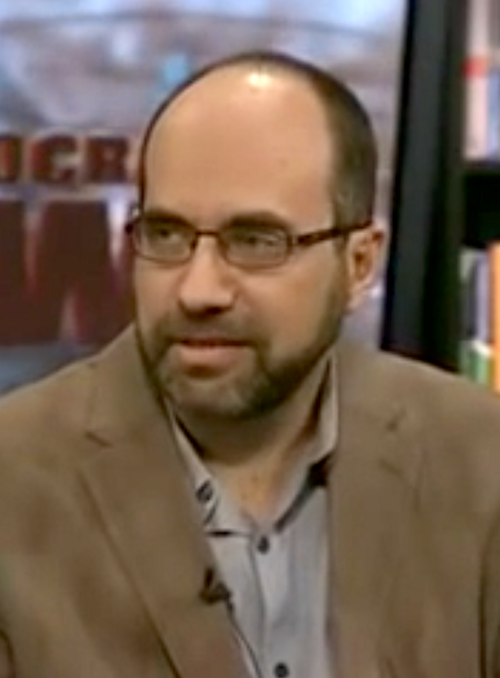
Venezuelanalysis is a pro-Bolivarian website set up in 2003 following the 2002 Venezuelan coup d'état attempt, with the website being founded with the assistance of the Bolivarian government.[118] The website is headed by Gregory Wilpert, with the GlobalPost describing Wilpert as "perhaps the most prominent Chavista", while dubbing him as a "Chavez defender".[119] According to Brian Nelson, author of The Silence and the Scorpion, Wilpert, according to individuals in the Venezuelan government, was "an integral part of Venezuela's propaganda complex and key to their foreign service mission in the United States", with Wilpert working with Global Exchange, the Venezuelan Information Office (VIO) and his Venezuelanalysis.com website.[120] Nelson also states that Venezuelanalysis "tried to discredit virtually every independent human rights study" during Hugo Chávez's tenure whenever the Bolivarian government was criticized.[120]
Hugo Chávez's cult of personality

In Venezuela, a cult of personality has been created around the late-President Hugo Chávez, where his supporters venerate him.[121] Chávez largely received his support through his charisma and by spending Venezuela's oil funds on the poor.[122] Since his death, followers known as "Chavistas"[123] refer to his death as a "transition to immortality", commonly calling Chávez "the Giant", "the Eternal One", "eternal commander" and "El Comandante".[6][124] There have been parallels between the veneration of Chávez to that of Evita Peron in Argentina[121] and Kim Jong-il of North Korea.[125]
Tomas Straka of Andres Bello University, explains that Chávez's cult of personality began following the 1992 Venezuelan coup d'état attempts which Chávez led, with Straka explaining that some Venezuelans "saw no solution to their most fundamental problems and they saw in Chávez a savior, or an avenger of those groups that had no hope".[125] Since the beginning of Chávez's tenure in 1999, the Venezuelan government manipulated the Venezuelan public with social programs depicting him as a great leader for the people.[125] The struggles that Chávez endured throughout his presidency, such as the 2002 Venezuelan coup d'état attempt, also drew compassion from his followers which boosted his support.[125] According to one scholar of Latin America from the University of California Santa Barbara, Juan Pablo Lupi, the creation of Chávez's cult of personality was "very well-staged, all this process of myth-making and appealing to the feelings and religious sentiment of the people. This is something that is quasi-religious".[121] Lupi's explanation of Chávez's cult of personality was similar to those of Juan Carlos Bertorelli, a marketing company creative director in Caracas and Larry Birns, the director of the Council on Hemispheric Affairs.[122] Carlos Bertorelli stated that the Bolivarian government created a cult of personality surrounding Chávez in order to "maintain a presence that legitimizes them"[121] while Birns stated that "For many in the movement, Chavez, or the movement of the Chavistas towards a religious stance, is less a matter of faith than it is a matter of strategy".[122]
Religious image


The Associated Press states that "Chavez's legacy has taken on a religious glow in Venezuela" and that "[r]osaries adorned with Chavez's face, shrines and images depicting him with a Christian cross have become commonplace".[126] According to Foreign Policy, such "quasi-religious veneration of Chávez by his comrades is not known for its subtlety", stating that followers of María Lionza as well as those who practice Santería began to venerate Chávez following his death.[73]
In 2014, those involved in education and the government's opposition accused Venezuela's new educational curriculum of making Chávez appear "messianic",[127][128] as the "liberator of Venezuela",[128] and like "the new God".[128] In a report about Chavez's funeral Spiegel Online wrote, "His last procession is also a TV marathon, presented in the tone of a sermon, during which Chávez, the freedom fighter Simón Bolívar and Jesus Christ merge into one person."[129]
Since Chávez's death, controversies surrounding his adoration have arisen including the recitation of the Committee on Communication and Propaganda of PSUV-Táchira's modified version of The Lord's Prayer at a PSUV gathering that was focused on Chávez.[130] CNN reported that Christians in Venezuela were offended, saying that "the words of a prayer found in the books of Matthew and Luke in the Bible should not be changed for political propaganda or any other purposes".[131] Another domestic reaction came from the Venezuelan newspaper La Verdad, who compared the act to something "from the mind of Joseph Goebbels, the Nazi propaganda father".[132] The Catholic Church of Venezuela criticized the modified version in a statement signed by head figures of the organization, saying that The Lord's Prayer is "untouchable", that whoever recited the modified version would be committing the sin of idoltry.[133] Monsignor Baltazar Porras, bishop of Mérida, said that this type of action "is nothing new" in the years following the Bolivarian Revolution and that the Venezuelan government wanted to "screw in the principles and values which the revolution wants to impose, a kind of secular religion".[134]
Head of the Department of Latin America for Deutsche Welle, Uta Thofern, responded to the action saying that the "Bolivarian movement seems to stop being a political movement for the sake of becoming a cult fanaticism" and saying that since she was a German, she feared that the Bolivarian leaders "consciously used religious symbols and instruments, abusing the spiritual needs of people" in ways that were seen under "German dictatorships".[135] Ennio Cardozo, a political scientist at the Central University of Venezuela, states that acts like "Our Chávez" is the Venezuelan government's "effort to sustain its legitimacy".[136]
Maria Uribe, the Committee on Communication and Propaganda of PSUV-Táchira member who recited the "prayer" responded to the criticism saying that the "prayer of the delegates" was to reflect on "what it meant to be like Chávez" who she called "an example of solidarity, love, commitment, humanity and honesty".[130] President Maduro rejected the Catholic Church's response saying that they were trying to implement a "new Inquisition".[137] It was also encouraged by President Maduro for citizens of Venezuela to recite what he called a "poem" in order to follow the "values of Chavez".[138] President of the National Assembly, Diosdado Cabello, also criticized the Catholic Church saying they should worry about more important matters.[139]
Attack on image
During the 2014–17 Venezuelan protests, Venezuelans in several states attacked the image of Chávez due to its symbolic representation of the ruling Bolivarian government.[140] A 2016 Alfredo Keller y Asociados survey found that 75% of Venezuelans disagreed with the use of Chávez statues as propaganda.[141] In the 2017 Venezuelan protests, citizens of La Villa del Rosario burned and tore down a statue of late President Hugo Chávez, a display of anger compared to the destruction of Saddam Hussein's statue in Iraq as well as other instances of statue toppling during times of popular unrest.[142][143] Days later in Santa Barbara, a locally made statue of Chávez was severely damage as protesters threw Molotov cocktails and other objects at the figure.[144]
It is pretty symbolic that the citizens are venting their frustrations on the author of the Bolivarian revolution
— Eric Farnsworth, vice president of Council of the Americas[145]
On 22 May 2017, the birthplace home of Chávez was burned by protesters in Sabaneta, Barinas – "the cradle of Chavez's revolution" – after two students were killed by the National Guard.[146][145] Protesters in the area also destroyed five statues of Chávez in addition to destroying his childhood home.[145]
Following multiple attacks on the image of Chávez, Venezuelan authorities were ordered to guard various representations of Chávez throughout the country.[147]
Themes
Bolivarianismo uses emotional arguments to gain attention, exploit the fears (either real or imagined) of the population, create external enemies for scapegoat purposes, and produce nationalism within the population, causing feelings of betrayal for support of the opposition.[7] Whenever a problem was faced by Chávez, he would turn it to a narrative, holding Venezuela's attention and would increase efforts whenever he faced more problems.[31] The images and messages promote ideological mobilization,[148] including Chávez as a "liberator", the positive effects of the Bolivarian Revolution (including social reforms), and power deriving from the people.[8] The overall goal of the Bolivarian propaganda machine is to reflect society's wants and goals for an improved Venezuela.[148]
Enemies
Capitalists
Capitalism was attacked by the Bolivarian government with Chávez telling viewers on his program Aló Presidente that "'Love is socialism. Capitalism is hate and selfishness".[11] Chávez once speculated that if civilization had ever existed on Mars, capitalism and imperialism may have "finished [it] off" and said it could do the same to Earth.[149]
Jews
In a 2010 report by Tel Aviv University titled Anti-Semitism Worldwide 2010, in Venezuela, “anti-Semitic allegations are an integral part of the extreme anti-Israel propaganda of governmental and pro- Chavez circles”.[150] During Chavez's presidency, the Venezuelan Jewish community made statements at a World Jewish Congress Plenary Assembly in Jerusalem saying, "Where we live, anti-Semitism is sanctioned. It comes from the president, through the government, and into the media."[151]
B'nai B'rith International stated in a 2012 report that "State-sanctioned anti-Semitic and anti-Israel rhetoric" was "common in Venezuela under President Hugo Chávez" and that it had increased during the 2012 presidential campaign involving Henrique Capriles Radonski, who had Jewish heritage.[152] According to the Antisemitism in Venezuela 2013 report by the Venezuelan Confederation of Israelite Associations (CAIV), "distorted news, omissions and false accusations" of Israel originate from Iran's Press TV and Hispan TV, are repeated by the Russia's RT and Cuba's Prensa Latina, and Venezuela's state media, including SIBCI, AVN, TeleSUR, Venezolana de Televisión (VTV), Alba TV, La Radio del Sur, Radio Nacional de Venezuela (RNV), YVKE Mundial, Correo del Orinoco and Ciudad CCS.[153] The CAIV continues, stating that the media accuses Zionism of being a "predator movement", that "anti-Semitic authors pretend to establish differences between Jewish religion and the Zionist movement" and that the Venezuelan government's media uses anti-Semitic themes.[153]
Writing in The Weekly Standard in 2005, Thor Halvorssen says that the United States Department of State's Bureau of Democracy, Human Rights, and Labor's "Report on Global Anti-Semitism" noted that antisemitic leaflets "were available to the public in an Interior and Justice Ministry office waiting room."[154]
In 2008, a radio host on the state-run Radio Nacional de Venezuela stated that "Hitler's partners were Jews… These were not the Jews murdered in the concentration camps. [Those killed] were working-class Jews, Communist Jews, poor Jews, because the rich Jews were the ones behind the plan to occupy Palestine".[citation needed] In April 2011, Cristina González, a popular radio host from Radio Nacional de Venezuela, highly recommended her listeners to read The Protocols of the Elders of Zion, an anti-Semitic text created by the Russian Empire and was later used by Adolf Hitler.[155] A year later in a 13 February 2012 opinion article by Radio Nacional de Venezuela, titled "The Enemy is Zionism"[156] attacked Capriles' Jewish ancestry and linked him with Jewish national groups because of a meeting he had held with local Jewish leaders,[157][158][159] saying, "This is our enemy, the Zionism that Capriles today represents ... Zionism, along with capitalism, are responsible for 90% of world poverty and imperialist wars."[157]
Opposition

Enio Cardozo of the Central University of Venezuela states that the Venezuelan government uses the same propaganda tactics against the opposition that were developed by Joseph Goebbels for Nazi propaganda.[160] Such tactics would include "simplifying the enemy" by using labels, with the Venezuelan government attempting to polarize the public into thinking that the opposition were "the wealthy" were part of an "oligarchy", blaming the opposition for any of Venezuela's woes.[160] Another tactic would be using false stories in order to make large threats against the opposition.[160]
Hugo Chávez described "any opposition to his government as a 'Made in the USA' corrupt, terrorist, coup-mongering plot to topple his democratic government". The opposition was often linked to adversaries of the Venezuelan government and a "sovereignty card" was used linking foreign adversaries to the opposition. While covering opposition events, the state media would manipulate images to make gatherings look smaller.[citation needed]
The Venezuelan government occasionally uses smear campaigns against the opposition, illegally phone tapping their conversations and playing them throughout state media. The Venezuelan government promotes the use of such recordings since they are "aimed mainly at discrediting opposition politicians", though recent phone tapped recordings used in state media are attributed to entities online instead of the Venezuelan government.[161] One of Chávez's favorite state television shows, The Razorblade, was mainly used to attack the opposition with such tactics, using photographs and audio recording to embarrass their politicians.[162] The source of this content was presumed to be from the country's intelligence agency, SEBIN.[162]
United States imperialism


Chávez would blame problems experienced in Venezuela on the United States.[11] Hugo Chávez used "brash, often confounding remarks against the US, capitalism, and a bevy of other topics".[149] Chávez called former President of the United States George W. Bush a "drunkard", "donkey" and compared him to Adolf Hitler. Chávez also made claims that the 2010 Haiti earthquake was due to a "secretive US weapons test".[149]
At the 61st United Nations General Assembly, Hugo Chávez gave an anti-imperialist and anti-United States speech calling George W. Bush "the devil" and "world dictator". He accused Bush of spreading imperialism saying "he came to share his nostrums, to try to preserve the current pattern of domination, exploitation and pillage of the peoples of the world." He also criticized Israel due to the conflict it had with Lebanon. He then called the United Nations system "worthless" and that it had "collapsed". Chávez said that the United States promoted violence while Venezuela represented "dignity and the search for peace". After making his statements about seeking peace, Chávez asked for Venezuela to be on the United Nations Security Council saying, "Bolivar's home has sought a nonpermanent seat on the Security Council." He concluded saying that a new movement was being formulated in the south and even proposed moving the United Nations headquarters to Venezuela.[163][164]
Diario VEA, a Venezuelan state newspaper critical of the United States,[165] often used multiple pages to discredit the United States government and shared conspiracies involving the United States and its supposed links to the Venezuelan opposition.[citation needed]
Values
Democracy
One strategy of the Venezuelan government's propaganda was to persuade "the Venezuelan people and the international community that Chavez's Bolivarian Revolution is the true democratic road to prosperity". A common message was that Chávez was "the legitimate, legal, democratically elected leader".[citation needed] According to Corales and Penfold, "widespread use of elections is certainly impressive, and many consider it a sign of democratic vitality, even though electoral institutions have been openly manipulated".[166] Elections were in fact used as an "electoral majoritarianism" argument used by Chávez to consolidate more power into his hands.[166]
Social works

The Venezuelan state media "regularly broadcasts government-sponsored activities" and "[p]romotional campaigns for Chavez's social missions" in order "to underscore the diversity of its supporters".[citation needed] Many Venezuelan's viewed Chávez's Aló Presidente program since it was known for unveiling new financial assistance packages every weekend to viewers.[citation needed] Chávez repeatedly expressed successes on television which resulted in a large popular base of support.[35]
In 2013, the Venezuelan government created the Joint Chiefs of Communications with the objective to respond to keep "the people informed of everything that the Bolivarian Revolution is doing for the well-being of everyone".[37]
See also
- Bolivarian Army of Trolls
- Bolivarianism
- Censorship in Venezuela
- Economy of Venezuela
- The Revolution Will Not Be Televised
References
Citations
- ^ Eric Biewener (4 September 2007). "Venezuela: Propaganda Blurs the Lines". North American Congress on Latin America. Retrieved 16 October 2023.
- ^ Vyas, Kejal; Olson, Bradley (8 November 2018). "Chevron Stayed in Venezuela Long After Rivals Quit. Then It Had Second Thoughts". Wall Street Journal. ProQuest 2130870838.
{{cite news}}: CS1 maint: multiple names: authors list (link) - ^ Juan-Carlos Molleda (10 April 2015). "Venezuelan propaganda infects and undermines Latin American PR professional organizations". The Conversation. Retrieved 16 October 2023.
- ^ Peter Young (October 2022). "Opening a Second Western Front Against Putin: Russia's Latin American Proxies" (PDF). Henry Jackson Society. Retrieved 16 October 2022.
- ^ Manwaring (2005), pp. 8–13.
- ^ a b c d e f g Lansberg-Rodríguez, Daniel (June 2015). "Alo Presidente! Venezuela's Reality Show Authoritarianism". Beyond Propaganda June 2015 – The New Authoritarians: Ruling Through Disinformation (PDF). London, United Kingdom: Legatum Institute. pp. 2–12. ISBN 9781907409837.
- ^ a b Manwaring (2005), p. 11.
- ^ a b c d e Moloney, Anastasia (29 January 2007). "Photo Feature: Chavez's Propaganda". World Politics Review. Archived from the original on 29 October 2013. Retrieved 10 March 2012.
- ^ a b c d Grant, Will (November 23, 2010). "Venezuela bans unauthorised use of Hugo Chávez's image". BBC News. Retrieved April 26, 2012.
- ^ Romero, Simon (February 4, 2011). "In Venezuela, an American Has the President's Ear". The New York Times. Retrieved April 26, 2012.
- ^ a b c d e Lakshmanan, Indira (27 July 2005). "Channeling his energies Venezuelans riveted by president's TV show". The Boston Globe. Retrieved 14 April 2012.
- ^ a b c "The declining quality of Venezuela's propaganda". The Economist. 27 April 2017. Retrieved 15 May 2017.
- ^ a b Manwaring (2005), p. 8.
- ^ a b c Canelón-Silva, Agrivalca Ramsenia (2014). "Del Estado Comunicador Al Estado De Los Medios. Catorce Años De Hegemonía Comunicacional En Venezuela". Palabra Clave. 17 (4). University of La Sabana: 1243–78. doi:10.5294/pacla.2014.17.4.11.
- ^ a b c Espinal, Cristina. "A case study into the making and evolution of populist discourse: examining Hugo Chavez's discourse and its radicalisation through time" (PDF). The London School of Economics and Political Science. Retrieved 11 August 2015.
- ^ Rory, Carroll (2014). Comandante : Hugo Chavez's Venezuela. Penguin Books: New York. p. 15. ISBN 978-0143124887.
- ^ a b Manwaring (2005), p. 10.
- ^ a b c Schoen (2009), p. 154.
- ^ Schoen (2009), p. 156.
- ^ a b VÁSQUEZ S., ÁLEX (28 October 2014). "65% del dinero del Minci se utilizará en propaganda oficial". El Nacional. Archived from the original on 12 July 2014. Retrieved 13 July 2014.
- ^ a b "Gobierno gastará más en propaganda que en el municipio Libertador". El Nacional. 23 October 2014. Archived from the original on 24 October 2014. Retrieved 24 October 2014.
- ^ Morales, Maru (17 November 2014). "Con "m" de millardo se escribe hegemonía comunicacional". El Nacional. Archived from the original on 20 November 2014. Retrieved 20 November 2014.
- ^ a b Díaz, Sugey (15 October 2014). "El Minci "sigue siendo un ministerio de propaganda del PSUV"". La Verdad. Retrieved 24 October 2014.
- ^ "Maduro Elected Venezuela's Ruling Party Chief". China Radio International. 27 July 2014. Archived from the original on September 10, 2014. Retrieved 10 September 2014.
- ^ a b "Comisión de Propaganda, Agitación y Comunicación del PSUV planifica agenda de acciones". Alba Ciudad. 28 August 2014. Retrieved 10 September 2014.
- ^ a b "Comisión de Propaganda, Agitación y Comunicación del PSUV planifica agenda de acciones concretas". United Socialist Party of Venezuela. Retrieved 10 September 2014.
- ^ Desiree Sousa (26 August 2014). "Maduro: La crisis no se debe a políticas implementadas por el Gobierno" [Maduro: The crisis is not because of policies implemented by the Government] (in Spanish). Runrunes. Retrieved 16 October 2023.
- ^ "Equipos estadales de Agitación, Propaganda y Comunicación del Psuv se instalarán este martes". Venezolana de Television. Archived from the original on 24 October 2014. Retrieved 24 October 2014.
- ^ Bogardus, Kevin (September 22, 2004). "Venezuela Head Polishes Image With Oil Dollars: President Hugo Chávez takes his case to America's streets". Center for Public Integrity. Archived from the original on October 4, 2011. Retrieved April 26, 2012.
- ^ Toothaker, Christopher (September 19, 2010). "Chávez foes face obstacles ahead of crucial vote". The Seattle Times. Associated Press. Archived from the original on September 24, 2011. Retrieved April 26, 2012.
- ^ a b c d e f g h i j Rory, Carroll (2014). Comandante : Hugo Chavez's Venezuela. Penguin Books: New York. pp. 182–94. ISBN 978-0143124887.
- ^ Francisco Toro (4 October 2012). "Hugo Chavez Might Actually Lose His Election on Sunday". The New Republic. Retrieved 16 October 2023.
- ^ Florantonia Singer (4 August 2023). "Venezuelan TV: chained to censorship and frozen in time". El País. Retrieved 16 October 2023.
- ^ Aguirre, Daniel; Ávila, Caroline (2020). "Propaganda and populist communication in Bolivia, Ecuador and Venezuela". In Baines, Paul; O'Shaughnessy, Nicholas; Snow, Nancy (eds.). The Sage Handbook of Propaganda. Sage Publishing. pp. 486–487. ISBN 978-1-5264-5998-5.
- ^ a b Manwaring (2005), p. 12.
- ^ a b c Rory, Carroll (2014). Comandante : Hugo Chavez's Venezuela. Penguin Books: New York. pp. 23–26. ISBN 978-0143124887.
- ^ a b c d "Annual Report of the Inter-American Commission on Human Rights 2013" (PDF). Report. Inter-American Commission on Human Rights. August 2009. Retrieved 2 May 2014.
- ^ Cawthorne, Andrew (26 January 2016). "Garrulous Maduro has addressed Venezuela for 500 hours: group". Reuters. Retrieved 24 February 2016.
- ^ a b c d e f g h Morozov, Evgeny (2011). The net delusion : the dark side of Internet freedom (1st ed.). New York: PublicAffairs. pp. 113–16. ISBN 978-1610391061.
- ^ Rory, Carroll (2014). Comandante : Hugo Chavez's Venezuela. Penguin Books: New York. p. 16. ISBN 978-0143124887.
- ^ a b Pomerantsev, Peter (23 June 2015). "Beyond Propaganda". Foreign Policy. Retrieved 27 January 2016.
- ^ a b c Rory, Carroll (2014). Comandante : Hugo Chavez's Venezuela. Penguin Books: New York. pp. 195–196. ISBN 978-0143124887.
- ^ "Using oil to spread revolution". The Economist. 28 July 2005. Retrieved 10 June 2015.
- ^ "Chávez bid to counter Hollywood". BBC News. June 4, 2006. Retrieved April 26, 2012.
- ^ Sreeharsha, Vinod (November 22, 2005). "Telesur tested by Chávez video". The Christian Science Monitor. Retrieved April 26, 2012.
These clips bolster critics who claim the network is and will be a propaganda tool for Chávez.
- ^ Hirst, Joel D. "The Bolivarian Alliance and the Hugo Chavez Propaganda Machine". Council on Foreign Relations. Archived from the original on 11 June 2015. Retrieved 10 June 2015.
- ^ a b Hayden, Craig (2011). Rhetoric of soft power : public diplomacy in a global context. Lanham: Lexington Books. p. 132. ISBN 978-0739142592.
- ^ a b c d Dreier, Hannah (4 August 2015). "Venezuela ruling party games Twitter for political gain". Associated Press. Retrieved 19 December 2015.
- ^ a b Garfield, Leanna (16 December 2015). "5 countries that use bots to spread political propaganda". Business Insider. Retrieved 19 December 2015.
- ^ "Government 'Cyber Troops' Manipulate Facebook, Twitter, Study Says". Bloomberg.com. 2017-07-17. Retrieved 2017-07-18.
- ^ "Facebook y Twitter eliminaron cuentas vinculadas a Venezuela, Irán y Rusia". El Nacional (in Spanish). 2019-02-01. Retrieved 2019-02-04.
- ^ "Ahead of 2020, Facebook Falls Short on Plan to Share Data on Disinformation". The New York Times (in Spanish). 2019-09-29. Retrieved 2019-09-29.
- ^ "Se agotan las reservas de papel periódico". La Patilla. 7 September 2014. Retrieved 10 September 2014.
- ^ "Maduro anuncia la creación de un periódico del Psuv (a que no le faltan los dólares)". La Patilla. 8 September 2014. Retrieved 10 September 2014.
- ^ Morales, Maru (9 September 2014). "Presidente Maduro "aprobó" crear dos nuevos impresos pro gobierno". El Nacional. Archived from the original on 11 September 2014. Retrieved 11 September 2014.
- ^ "Partido oficialista tendrá su propio periódico para propaganda tras comprar Diario Vea". NTN24. 3 November 2014. Archived from the original on 8 November 2014. Retrieved 8 November 2014.
- ^ a b Mander, Benedict (16 September 2012). "Venezuela: Up in smoke". Financial Times. Retrieved 23 December 2014.
- ^ a b c Bowman, Michael (11 August 2010). "Venezuelan Muralists, Cartoonist, Paint Different Pictures of President Chavez". VOA. Archived from the original on 14 December 2014. Retrieved 2 December 2014.
- ^ Bodzin, Steven (12 October 2012). "Chávez reelection at risk as Venezuela's oil heartland moves on". The Christian Science Monitor. Retrieved 2 December 2014.
- ^ Fabiola Zerpa and Ezra Fieser (17 August 2022). "Venezuela Dismantles Chavez Propaganda in Capitalist Makeover". Bloomberg. Retrieved 16 October 2023.
- ^ Nichols and Morse (2010), p. 326.
- ^ a b Ingham, James (November 1, 2007). "Venezuelan cinema, Chávez style". BBC News. Retrieved April 26, 2012.
- ^ Rory, Carroll (2014). Comandante : Hugo Chavez's Venezuela. Penguin Books: New York. pp. 82–83. ISBN 978-0143124887.
- ^ a b Forero, Juan (21 March 2006). "Visitors Seek a Taste of Revolution in Venezuela". The New York Times. The New York Times. Retrieved 12 April 2015.
- ^ a b Grainger, Sarah (6 September 2012). "Venezuela bids to beat bad image to win over tourists". BBC News Online. Retrieved 12 April 2015.
- ^ a b Schoen, Douglas; Rowan, Michael (2009). The threat closer to home : Hugo Chávez and the war against America (Free Press hardcover ed.). New York: Free Press. ISBN 978-1416594772.
- ^ a b c Clark, A.C. (2009). The revolutionary has no clothes : Hugo Chávez's Bolivarian farce. New York: Encounter Books. ISBN 978-1594032592.
- ^ a b Miller, John J. (27 December 2004). "Friends of Hugo". National Review. 56 (24): 36–37.
- ^ a b Ortiz, Ana Maria; Vadum, Matthew. "Marxist Hugo Chavez Calls on Friends in America". Human Events. 64 (10).
- ^ a b Schiller (2009), p. 494.
- ^ "News that's fit to print; A crackdown in Venezuela". No. 8858. The Economist Intelligence Unit. The Economist. 19 October 2013. Retrieved 27 July 2014.
- ^ Marquez, Myriam (22 April 2002). "Oas Should Bite Bullet, Confront Venezuela's Chavez". Orlando Sentinel. Retrieved 27 July 2014.
- ^ a b Lansberg-Rodríguez, Daniel (3 March 2016). "Why Venezuela Needs an Exorcism". Foreign Policy. Retrieved 5 March 2016.
- ^ a b c d Dreir, Hannah (23 July 2014). "Venezuelan Conspiracy Theories a Threat to Critics". Associated Press. Archived from the original on 2 April 2015. Retrieved 27 July 2014.
- ^ a b Wallis, Daniel; Buitrago, Deisy (23 January 2013). "Venezuela's vice president says he's target of assassination plot". Reuters. Archived from the original on 3 September 2014. Retrieved 27 August 2014.
- ^ Romo, Rafael (24 February 2014). "Venezuelan president sees conspiracies". CNN. Retrieved 27 July 2014.
- ^ Nelson (2009), p. 5.
- ^ Nichols and Morse (2010), p. 230.
- ^ a b c Clarembaux, Patricia (24 June 2014). "Denuncian adoctrinamiento chavista en la educación infantil". Infobae. Retrieved 14 December 2014.
- ^ Ore, Diego (2 June 2014). "'Chavista' school books stoke passions in Venezuela". Reuters. Archived from the original on 3 June 2014. Retrieved 3 June 2014.
- ^ a b "El chavismo reescribe la historia de Venezuela para adoctrinar a los niños". El Nuevo Herald. 25 April 2014. Archived from the original on 26 April 2014. Retrieved 25 April 2014.
- ^ a b Montilla K., Andrea (23 April 2014). "Hoy se inicia consulta nacional para el currículo educativo". El Nacional. Archived from the original on 24 April 2014. Retrieved 24 April 2014.
- ^ Obregon, Walter (24 April 2014). "Federación de Maestros: "Nuevo currículo busca rendirle culto a Chávez"". El Universal. Retrieved 25 April 2014.
- ^ "Docentes estadales exigen aumento salarial y cese al adoctrinamiento". El Este Noticias. 18 March 2014. Retrieved 24 April 2014.
- ^ "Denuncian que colectivos con proyectos políticos quieren participar en colegios". Globovision. 13 April 2014. Archived from the original on 19 February 2015. Retrieved 13 April 2014.
- ^ Anselmi, Manuel (2013). Chávez's children : ideology, education, and society in Latin America. Rowman & Littlefield. p. 44. ISBN 978-0739165256.
- ^ "Propaganda electoral muestra a un Hugo Chávez atlético". La Republica. 21 August 2012. Archived from the original on 30 April 2014. Retrieved 29 April 2014.
- ^ Cawthorne, Andrew (26 June 2012). "Venezuela election ads glorifying Chavez irk foes". Reuters. Archived from the original on 30 April 2014. Retrieved 29 April 2014.
- ^ "Hugo Chavez election propaganda fill Caracas streets". NBC News. 6 October 2012. Retrieved 29 April 2014.
- ^ Dobson, William J. "The Ghost of Hugo Chávez". Slate. Retrieved 29 April 2014.
- ^ Oppenheimer, Andres (24 March 2014). "Rigging Venezuela's April election". News. Tribune-Review Publishing Company. Pittsburgh Tribune – Review.
- ^ "Not content with starving and killing Venezuelans, Nicolas Maduro had to insult them by holding a sham election". National Review. 70 (11): 8. 11 June 2018.
- ^ Weddle, Cody (2018-05-21). "Nicolas Maduro filmed victoriously waving to an empty plaza after 'sham' election". The Telegraph. ISSN 0307-1235. Retrieved 2020-06-05.
- ^ Jesus Aznarez, Juan (11 February 2001). "EE UU sospecha que Chávez intenta exportar su proyecto bolivariano". El Pais. Archived from the original on February 12, 2001. Retrieved 18 January 2015.
- ^ "Elías Jaua habría "reclutado" niños brasileños desde 2011 hacia Venezuela". NTN24. 18 November 2014. Archived from the original on 22 November 2014. Retrieved 20 November 2014.
- ^ "Fiscalía de Brasil pide explicar participación de niños en brigadas en Venezuela". El Comercio. 17 November 2014. Retrieved 2020-06-05.
- ^ a b Maria Delgado, Antonio (23 November 2014). "El chavismo opera red latinoamericana de informantes". El Nuevo Herald. Retrieved 24 November 2014.
- ^ a b Reséndiz, Francisco (8 March 2006). "Operan grupos bolivarianos 10 centros logísticos en DF". La Crónica de Hoy. Retrieved 18 January 2015.
- ^ Dreier, Hannah (16 July 2015). "Palestinians given scholarships to train in Venezuela are quitting over claims it's just socialist propaganda". Associated Press. Retrieved 6 March 2016.
- ^ a b c d e f Vinogradoff, L. (11 November 2014). "La propaganda chavista extiende sus tentáculos hasta España". ABC. Retrieved 27 January 2015.
- ^ Schoen, Douglas; Rowan, Michael (2009). The Threat Closer to Home: Hugo Chavez and the War Against America. pp. 186–188.
- ^ Coronel, Gustavo (August 15, 2007). "Misreading Venezuela". Human Events. Cato Institute. Retrieved April 26, 2012.
The intense propaganda machine installed by Chávez in the U.S. (that costs the Venezuelan Embassy well over a million dollars per year) is trying to sell U.S. public opinion on the idea that Hugo Chávez is universally loved by Venezuelans while the United States is bitterly hated.
- ^ "BBC News Americas: Venezuela suspends US fuel aid". news.bbc.co.uk. 6 January 2009. Retrieved 2 November 2016.
- ^ "Venezuela resumes fuel aid to US". BBC News. January 8, 2009. Retrieved April 26, 2012.
Venezuela will continue to donate heating oil to some 200,000 low-income US households, reversing a decision to suspend supplies, officials say. ... When the scheme began four years ago, critics decried it as a propaganda stunt by President Chávez, aimed at annoying the Bush administration, and criticised Mr Kennedy for taking part.
- ^ a b c d Schoen, Douglas; Rowan, Michael (2009). The Threat Closer to Home: Hugo Chávez and the War against America (Free Press hardcover ed.). New York: Free Press. pp. 36–37. ISBN 978-1-4165-9477-2.
- ^ Ortiz, Ana Maria; Vadum, Matthew. "The American Friends of Hugo Chavez: Dial 1-800-4-TYRANT" (PDF). Capital Research Center. Archived from the original (PDF) on May 28, 2008. Retrieved 12 April 2015.
- ^ Forero, Juan (30 September 2004). "Venezuela's government seeks to show that its oil riches are well spent". The New York Times. Retrieved 2009-02-09.
- ^ "FARA US Department of Justice" (PDF). US Department of Justice. Retrieved 2009-02-07.
- ^ a b c Bogardus, Kevin (22 September 2004). "Venezuela head polishes image with oil dollars". Center for Public Integrity. Retrieved 3 April 2015.
- ^ Melia, Michael (30 January 2006). "Venezuelan oil marks Chavez's latest bid to win over U.S." The Boston Globe. Archived from the original on February 28, 2007. Retrieved 2009-02-09.
- ^ Foreign Agents Registration Act – Venezuela Information Office – FARA fillings 29.08.04
- ^ Holland, Alisha; Brett, S.; Taraciuk, T.; Wilkinson, D.; Fillippini, L.; Loxton, J. (22 September 2008). "A Decade Under Chávez: Political Intolerance and Lost Opportunities for Advancing Human Rights in Venezuela". Human Rights Watch. Retrieved 2009-03-13.
- ^ Venezuela Information Office, Monthly Review, 22 September 2008, The Truth Suffers in Human Rights Watch Report on Venezuela Archived 2009-09-21 at the Wayback Machine
- ^ Carroll, Rori (9 September 2008). "Human Rights Watch condemns Chávez's decade in power". The Guardian. Retrieved 2009-03-12.
- ^ opensecrets.org, Venezuela Information Office entry
- ^ "Lumina Strategies' filing to US DoJ Foreign Agent Registration Unit" (PDF). United States Department of Justice. Retrieved 2009-02-07.
- ^ Collier, Robert (21 August 2004). "Venezuelan politics suit Bay Area activists' talents". San Francisco Chronicle. Hearst Communications Inc., Hearst Newspapers Division.
- ^ Rohter, Larry (25 June 2010). "Oliver Stone's Latin America". The New York Times. Retrieved 22 September 2015.
- ^ Devereux, Charlie (2 December 2009). "Gregory Wilpert: Chavez defender". Global Post. Archived from the original on 13 November 2010. Retrieved 13 May 2015.
- ^ a b Nelson, Brian. "Response to the Venezuelan Government's Attacks on The Silence and the Scorpion". brianandrewnelson.com. Retrieved 6 October 2015.
- ^ a b c d James, Ian (24 January 2013). "Hugo Chavez Personality Cult Flourishes In Venezuela". Huffington Post. Associated Press. Retrieved 7 September 2014.
- ^ a b c Strange, Hannah (4 September 2014). "Saintly Hugo Chavez Replaces God in Socialist Lord's Prayer". Vice News. Retrieved 12 December 2015.
- ^ Rueda, Manuel (14 October 2013). "The Cult Following of Venezuela's Hugo Chávez". Fusion. Archived from the original on 8 September 2014. Retrieved 7 September 2014.
Taylor, Guy (25 March 2014). "Pro-Chavista 'paramilitary' active in Venezuela, jailed opposition leader says". The Washington Times. Retrieved 25 March 2014.Mr. Maduro continues to enjoy widespread support from Chavez followers — known as "Chavistas" — who've countered the recent opposition rallies in Caracas with massive pro-government demonstrations of their own.
- ^ Gray, Kevin (7 March 2015). "Hugo Chávez still rockin' the cult of personality, 2 years after his 'transition to immortality'". Fusion. Archived from the original on 30 December 2015. Retrieved 11 December 2015.
- ^ a b c d Rueda, Manuela (11 January 2013). "The Cult Following of Venezuela's Hugo Chávez". ABC News. Retrieved 11 December 2015.
- ^ "Controversy in Venezuela Over Chavez Prayer". Associated Press. 5 September 2014. Archived from the original on 7 September 2014. Retrieved 7 September 2014.
- ^ Mendez, Gustavo (14 April 2014). "Las escuelas bolivarianas y la resolución 058 fracasaron". El Universal. Retrieved 1 May 2014.
- ^ a b c Valderrama, Judith (28 April 2014). "Se vende la imagen de Chávez como mesiánica y de Libertador". El Diario de Los Andes. Archived from the original on 2 May 2014. Retrieved 1 May 2014.
- ^ Gluesing, Jens; von Rohr, Mathieu (11 March 2013). "The Eternal Comandante: Hugo Chávez's Complicated Legacy". Spiegel Online. Retrieved 7 September 2014.
- ^ a b "La nueva inquisición arremete contra el "Chávez Nuestro" (+AUDIO)". Radio Nacional de Venezuela. 5 September 2014. Archived from the original on 10 September 2014. Retrieved 10 September 2014.
- ^ Romo, Rafael (3 September 2014). "In Venezuela, a 'sacrilegious' Lord's Prayer". CNN. Archived from the original on 29 December 2018. Retrieved 7 September 2014.
- ^ Villalobos, Cristina (4 September 2014). "El Chávez nuestro es una blasfemia". La Verdad. Retrieved 9 September 2014.
- ^ "Obispos condenan versión chavista del Padre Nuestro (Comunicado)". La Patilla. 3 September 2014. Retrieved 7 September 2014.
- ^ Villalobos, Cristina (6 September 2014). "El Chávez nuestro es una burla". La Verdad. Retrieved 7 September 2014.
- ^ Thofern, Uta (6 September 2014). "Comment: "Our Chávez" rather than an unfortunate metaphor". Deutsche Welle. Retrieved 8 September 2014.
- ^ Rueda, Manuel (2 September 2014). ""Our Chávez, who art in heaven": Venezuelan leader now has his own prayer". Fusion TV. Archived from the original on 8 September 2014. Retrieved 7 September 2014.
- ^ "Maduro defiende el "Chávez Nuestro" y llama "nueva inquisición" a quienes criticaron". La Patilla. 4 September 2014. Retrieved 7 September 2014.
- ^ Strange, Hannah (2014-09-04). "Saintly Hugo Chavez Replaces God in Socialist Lord's Prayer". Vice. Retrieved 2020-06-13.
- ^ "Diosdado arremete contra Urosa Savino por repudiar el "Chávez Nuestro"". La Patilla. 5 September 2014. Retrieved 7 September 2014.
- ^ "Derribaron estatua de Hugo Chávez en Zulia". El Nacional (in Spanish). 5 May 2017. Retrieved 9 May 2017.
- ^ "KELLER 4to Trimestre 2016 DV". Alfredo Keller y Asociados. Retrieved 10 August 2017.
- ^ "Manifestantes derriban estatua de Hugo Chávez". Yahoo News (in Spanish). 5 May 2017. Retrieved 9 May 2017.
- ^ "Otras caídas de estatuas y símbolos que representaron el final de una era". Infobae (in Spanish). 6 May 2017. Retrieved 9 May 2017.
- ^ Boscán, Hugo J. (8 May 2017). "Trataron de quemar figura de Chávez en el oeste - El Impulso". El Impulso (in European Spanish). Retrieved 22 May 2017.
- ^ a b c Sanchez, Fabiola; Dreier, Hannah (22 May 2017). "Hugo Chavez's childhood home burned by protesters in Venezuela, lawmaker says". Associated Press. Retrieved 23 May 2017.
- ^ "Incendian la casa natal de Hugo Chávez luego de la muerte de dos estudiantes en Barinas". Diario Las Americas (in Spanish). 22 May 2017. Retrieved 23 May 2017.
- ^ Cawthorne, Andrew (19 June 2017). "Venezuela soldiers guard Chavez symbols in seething heartland". Reuters. Retrieved 21 June 2017.
- ^ a b Turner (2007), p. 14.
- ^ a b c "The endlessly quotable Hugo Chavez". Global Post. 5 March 2013. Retrieved 6 May 2014.
- ^ Hartman, Ben (1 May 2011). "EU anti-Semitic acts dropped 46% in 2010". The Jerusalem Post. Retrieved 5 June 2014.
- ^ "Venezuela's oldest synagogue vandalized by armed men". World Jewish Congress. Retrieved 11 May 2014.
- ^ "Summary of Contemporary Forms of Anti-Semitism" (PDF). www.bnaibrith.org. B'nai B'rith International. Retrieved 5 June 2014.
- ^ a b "Antisemitisim in Venezuela 2013". Venezuelan Confederation of Israelite Associations. Archived from the original on 13 January 2015. Retrieved 13 January 2015.
- ^ Thor Halvorssen Mendoza (August 8, 2005). "Hurricane Hugo". The Weekly Standard. 10 (44). Archived from the original on May 20, 2011. Retrieved November 20, 2010.
- ^ "Venezuelan Jews protest promotion of 'Protocols of the Elders of Zion' on state radio". www.worldjewishcongress.org. World Jewish Congress.
- ^ "Anti-Semitic article appears in Venezuela". Anti-Defamation League. 17 February 2012. Archived from the original on 12 May 2012. Retrieved 7 May 2012. Includes English translation of Venezuelan National Radio article.
- ^ a b "Henrique Capriles Radonski: Hugo Chavez Foe A Target Of Anti-Semitism". The Huffington Post. 17 February 2012. Retrieved 22 May 2012.
- ^ Devereux, Charlie (20 February 2012). "Chavez media say rival Capriles backs plots ranging from Nazis to Zionists". Bloomberg. Retrieved 21 February 2012. Also available from sfgate.com
- ^ "Chavez allies attack new opponent Capriles as Jewish, gay". MSNBC. 15 February 2012. Archived from the original on 2 May 2012. Retrieved 10 May 2012.
- ^ a b c Rueda, Manuel (20 April 2013). "How Maduro's Government Is Attacking Critics With Propaganda". ABC News. Retrieved 25 February 2016.
- ^ James, Ian (19 August 2011). "Phone taps target Chavez opponents in Venezuela". Associated Press. Retrieved 10 June 2015.
- ^ a b Rory, Carroll (2014). Comandante : Hugo Chavez's Venezuela. Penguin Books: New York. p. 38. ISBN 978-0143124887.
- ^ "President Hugo Chavez Delivers Remarks at the U.N. General Assembly". The Washington Post. 20 September 2006. Retrieved 1 May 2014.
- ^ "Mission of the Bolivarian Republic of Venezuela" (PDF). United Nations. Retrieved 1 May 2014.
- ^ The Anthropology of News & Journalism: Global Perspectives. Indiana University Press. 2010. ISBN 9780253221261.
- ^ a b Corrales, Javier; Penfold, Michael (2 April 2015). Dragon in the Tropics: The Legacy of Hugo Chávez. Brookings Institution Press. p. 2. ISBN 978-0815725930.
Cited works
- Anselmi, Manuel (2013). Chávez's children : ideology, education, and society in Latin America. Rowman & Littlefield. p. 44. ISBN 978-0739165256.
- Manwaring, Max G. (2005). "Venezuela's Hugo Chávez, Bolivarian socialism, and asymmetric warfare" (PDF). The Strategic Studies Institute. Archived from the original (PDF) on 13 November 2005.
- Miller, John J. (27 December 2004). "Friends of Hugo". National Review. 56 (24): 36–37.
- Nelson, Brian A. (2009). The Silence and the Scorpion. Nation Books. ISBN 978-1-56858-418-8.
It was in response to this 'Cubanization' that the opposition movement against Chávez was born: A group of mothers realized that their children's new textbooks were really Cuban schoolbooks heavily infused with revolutionary propaganda, with new covers.
- ニコルズ、エリザベス・ガックステッター、キンバリー・J・モース (2010)。ベネズエラ (ラテンアメリカに焦点を当てる)。ABC- CLIO。ISBN 978-1-59884-569-3。
- オルティス、アナ・マリア; ヴァダム、マシュー。「マルクス主義者ウゴ・チャベスがアメリカの友人に呼びかける」。ヒューマン・イベント。64 (10)。
- ショーン、ダグラス(2009年)。『脅威は身近に』ニューヨーク:フリープレス。ISBN 978-1-4165-9477-2
脅威を身近に感じてください
。 - ターナー、アンドリュー(2007年)。『ハバナのプロパガンダ:社会主義都市における公共空間と集合的記憶の政治』フィラデルフィア:ペンシルバニア大学。
さらに読む
- 「チャベス大統領が批判者を黙らせ主導権を握る」ニュージーランド・ヘラルド(LexisNexis経由)。2010年3月10日。
- ロペス、フェルナンダ (2007 年 10 月 11 日)。「チャベスのレトリックの危険性」。イェール グローバリスト。2012 年4 月 26 日閲覧。
チャベスのプロパガンダが貧富の対立を煽る限り、プロパガンダだけでは解決できないアイデンティティ危機が国家を脅かすことになる。
外部リンク
 ウィキメディア・コモンズにあるボリバルのプロパガンダに関連するメディア