
Loading article…
Distance education, also known as distance learning, is the education of students who may not always be physically present at school,[1][2] or where the learner and the teacher are separated in both time and distance;[3] today, it usually involves online education (also known as online learning, remote learning or remote education) through an online school. A distance learning program can either be completely online, or a combination of both online and traditional in-person (also known as, offline) classroom instruction (called hybrid[4] or blended).[5]
Massive open online courses (MOOCs), offering large-scale interactive participation and open access through the World Wide Web or other network technologies, are recent educational modes in distance education.[1] A number of other terms (distributed learning, e-learning, m-learning, virtual classroom, etc.) are used roughly synonymously with distance education. E-learning has shown to be a useful educational tool. E-learning should be an interactive process with multiple learning modes for all learners at various levels of learning. The distance learning environment is an exciting place to learn new things, collaborate with others, and retain self-discipline.[6]
Historically, it involved correspondence courses wherein the student corresponded with the school via mail, but with the evolution of different technologies it has evolved to include video conferencing, TV, and the Internet.[7]
One of the earliest attempts at distance education was advertised in 1728. This was in the Boston Gazette for "Caleb Philipps, Teacher of the new method of Short Hand", who sought students who wanted to learn the skills through weekly mailed lessons.[8]
現代的な意味での最初の遠隔教育コースは、1840年代にサー・アイザック・ピットマンによって提供されました。彼は、速記に書き写したテキストをはがきに郵送し、生徒から書き写したものを受け取って訂正するという方法で速記のシステムを教えました。生徒からのフィードバックという要素は、ピットマンのシステムにおける重要な革新でした。[ 9 ]切手[ 10 ]によってこの遠隔教育の仕組みが可能になり、 1840年にイングランド全土で統一郵便料金が導入されたことにより、これらの取り組みは拡張可能になりました。[ 11 ]
この初期の取り組みは非常に成功を収め、3年後にはこれらのコースをより正式な形で確立するためにフォノグラフィック通信協会が設立されました。この協会は、後に全国にサー・アイザック・ピットマン・カレッジが設立される道を開きました。[ 12 ]
米国で最初の通信教育学校は、1873年に設立された家庭学習奨励協会でした。 [ 13 ]
1894年に設立されたオックスフォードのウォルジー・ホールは、英国初の遠隔教育カレッジでした。[ 14 ]

ロンドン大学は、試験に合格すれば誰でも学位を取得できる最初の大学であり、1858年に外部プログラムを設立しました。これは、当初はユニバーシティ・カレッジ・ロンドンとキングス・カレッジ・ロンドンであった提携カレッジの試験および学位授与機関として1836年に設立されましたが、その後20年間でさらに多くのカレッジが加わりました。提携カレッジは、学生がコースに参加したことを証明する証明書を発行しました。1858年の新憲章によりこの要件が撤廃され、どの教育機関で授業を受けているか、または自主学習コースを履修している男性(1878年からは女性も)が試験を受けて学位を取得できるようになりました。外部プログラムは、裕福でない家庭の学生に高等教育へのアクセスを提供したため、チャールズ・ディケンズによって「人民の大学」と呼ばれました。 [ 15 ] [ 16 ] 19世紀後半には入学者が着実に増加し、その例は他の多くの大学で広く模倣されました。[ 17 ]しかし、大学は試験のみを提供し、教材は提供しなかったため、学者たちは「UOLの外部研究による当初の学位は遠隔教育の一形態ではなかった」と述べている。[ 18 ]
外部プログラムは現在、ロンドン大学ワールドワイドとして知られており、ロンドン大学の加盟機関によって創設された大学院および学部学位が含まれています。[ 16 ]
広大な国土のおかげでオーストラリアは特に活発な地域となり、クイーンズランド大学は1911年に通信教育学部を設立した。[ 19 ]

シカゴ大学の創設者であり初代学長であるウィリアム・レイニー・ハーパーは、研究大学が地域内の他の場所にサテライトカレッジを持つという拡張教育の概念を称賛した。[ 20 ]
1892年、ハーパーは教育をさらに促進するために通信教育を奨励し、このアイデアは1920年代までにシカゴ大学、ウィスコンシン大学、コロンビア大学、その他数十の大学によって実践された。[ 21 ] [ 22 ]ペンシルベニア州スクラントンに拠点を置く最大の私立営利学校である国際通信学校の入学者は1890年代に爆発的に増加した。州の鉱山検査官または現場監督になることを目指す移民の炭鉱労働者に訓練を提供するために1888年に設立されたこの学校は、1894年に2500人の新入生を受け入れ、1895年には72,000人の新入生を受け入れた。1906年までに総入学者は90万人に達した。この成長は、単科のレッスンではなく完全な教科書を送付し、1200人の積極的な対面販売員を使用したことによる。[ 23 ] [ 24 ]教育方法には大きな違いがあった。
通常の技術学校や大学は、人を幅広く教育することを目的としていますが、私たちの目的は、それとは逆に、特定の分野に沿ってのみ教育することです。大学では、入学するには一定の学歴が必要であり、すべての学生がほぼ同じ期間勉強することが求められます。コースを修了すると、特定の職業の多くの分野のいずれかに就く資格が得られるとされています。それとは逆に、私たちは、受講する学生の特定のニーズに合うようにコースを作ることを目指しています。[ 25 ]
進歩主義時代には教育が最優先事項であり、アメリカの高校や大学は大幅に拡大した。高齢の男性や家族の責任で忙しい男性のために夜間学校が開設され、ボストンのYMCA学校は後にノースイースタン大学となった。主要都市以外の私立通信学校は、柔軟で集中的な解決策を提供した。[ 26 ]大企業は新入社員向けの研修プログラムを体系化した。全米企業学校協会は1913年の37校から1920年には146校に増加した。1880年代には、特定の企業の従業員だけでなく、入学するすべての人に専門的な技術訓練を提供する私立学校が全国に開設され始めた。1907年にミルウォーキーを皮切りに、公立学校は無料の職業訓練プログラムを開設し始めた。[ 27 ]
The International Conference for Correspondence Education held its first meeting in 1938.[28] The goal was to provide individualized education for students, at low cost, by using a pedagogy of testing, recording, classification, and differentiation.[29][30] Since then, the group has changed its name to the International Council for Open and Distance Education (ICDE), with its main office in Oslo, Norway.[31]
The Open University (OU) in the United Kingdom was founded by the then Labour government led by Harold Wilson. Based on the vision of Michael Young, planning commenced in 1965 under the Minister of State for Education, Jennie Lee, who established a model for the Open University as one of widening access to the highest standards of scholarship in higher education and setting up a planning committee consisting of university vice-chancellors, educationalists, and television broadcasters, chaired by Sir Peter Venables. The British Broadcasting Corporation's (BBC) Assistant Director of Engineering at the time, James Redmond, had obtained most of his qualifications at night school, and his natural enthusiasm for the project did much to overcome the technical difficulties of using television to broadcast teaching programs.[32]

オープン大学は通信教育プログラムの範囲を革新し、従来の教育形態に代わる立派な学習方法の創出に貢献しました。遠隔学習サービスを改善するための新技術の開発の最前線に立ち、他の分野の研究も行っています[ 33 ] 。ウォルター・ペリーは1969年1月にオープン大学の初代副学長に任命され、設立秘書はアナスタシオス・クリストドゥルでした。 1970年にエドワード・ヒース率いる保守党の新政権が誕生すると、財務大臣イアン・マクラウド(以前はオープン大学の構想を「ばかげたナンセンス」と呼んでいた)の下で予算削減が行われました[ 34 ] 。しかし、オープン大学は1971年に最初の2万5000人の学生を受け入れ、革新的な入学制限撤廃政策を採用しました。当時、英国の従来の大学の学生総数は約13万人でした[ 35 ] 。
カナダのオープン大学であるアサバスカ大学は1970年に設立され、独自に発展したものの、同様のパターンを踏襲した。[ 36 ]オープン大学は、スペインの国立遠隔教育大学(1972年)[ 37 ]とドイツのハーゲン大学(1974年) [ 38 ]の設立に影響を与えた。現在、世界中には同様の機関が多数あり、イタリアのように(英語または現地語で)「オープン大学」という名称が付けられていることが多い。[ 32 ]
ほとんどのオープン大学は遠隔教育技術を配信方法として利用しているが、一部では地元の学習センターや地域の「サマースクール」への出席が必須となっている。一部のオープン大学は巨大大学へと成長している。[ 39 ]


The COVID-19 pandemic resulted in the closure of the vast majority of schools worldwide for in-person learning.[40][41][42] The pandemic also exposed gaps in teachers’ preparedness to use digital pedagogy effectively, including challenges with interactive instructional design and unfamiliarity with platforms such as Zoom and Teams.[43] COVID-19 increased the value of distance education although its policies were implemented and formulated among several universities much earlier.[40] Many schools moved to online remote learning through platforms including—but not limited to—Zoom, Blackboard, Cisco Webex, Google Meet, Microsoft Teams, Skype, D2L, GoTo Meeting and Edgenuity.[40][44][45] A recent study showed that Google Classroom was the most used platform by students followed by Microsoft Teams and Zoom, respectively. The less-used platforms included Blackboard Learn, DingTalk, Tencent, and WhatsApp. However, the most preferred platforms by students were Microsoft Teams followed by Google Classroom and Zoom. Although Google Classroom was the most used by students as decided by their lectures, Microsoft Teams was the most preferred by those students.[40]
インターネット接続可能なデバイスや安定したインターネット接続にアクセスできない学生に対するこの移行の影響について懸念が生じた。[ 46 ] COVID-19パンデミック中の遠隔教育は、多くの学生と教師の同期学習を中断させた。教育者がリアルタイムで教えることができなくなり、非同期指導に切り替えるしかなくなった場合、これは移行への対応に著しく悪影響を及ぼし、特に著作権に関してさまざまな法的問題を引き起こした。[ 47 ] COVID-19パンデミック中の物理的な環境は、大学の教員によって遠隔教育の質に悪影響を及ぼしていると見なされている。しかし、講義が行われる場所と教員のタイプは、遠隔教育の質に統計的に有意な差異を示していない。[ 48 ]リアルタイム指導から非同期学習モードへの移行は、教育と学習の両方の経験に影響を与える重大な課題をもたらした。[ 49 ]この急激な変化に苦慮する教育者たちは、学生を効果的に引きつけ、授業内容を提供する上で困難に直面し、教員の間でストレスや燃え尽き症候群が増大している。さらに、この変化は、特にデジタル形式での教育資料の配布に関連する著作権問題に関して、法的懸念を引き起こしている。[ 50 ] COVID-19パンデミック後、一部の教育機関は対面授業に戻ったが、他の教育機関はブレンド型学習に切り替えたり、オンライン遠隔学習を継続したりした。[ 40 ]エクアドルの1,151校、45,000人の生徒を対象とした無作為化比較試験では、オンライン学習管理システムの集中監視により、分散管理と比較して、生徒の参加が0.21標準偏差、教科知識が0.13標準偏差増加したことが判明した。対照的に、教師の働きかけや生徒への励ましのメッセージには有意な効果はなかった。[ 51 ]
A recent study about the benefits and drawbacks of online learning found that students have had a harder time producing their own work.[52] The study suggests teachers should cut back on the amount of information taught and incorporate more activities during the lesson, in order for students to create their own work.[52] Though schools are slow to adapt to new technologies, COVID-19 required schools to adapt and learn how to use new digital and online learning tools.[43]Web conferencing has become more popular since 2007.[53] Researchers have found that people in online classes perform just as effectively as participants in conventional learning classes.[43] The use of online learning is becoming a pathway for learners with sparse access to physical courses so they can complete their degrees.[54] Furthermore, digital classroom technologies allow those living remotely to access learning, and it enables the student to fit learning into their schedule more easily.[55]
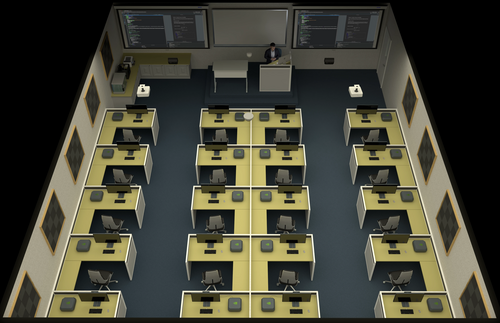
In synchronous learning, all participants are "present" at the same time in a virtual classroom, as in traditional classroom teaching. It requires a timetable. Web conferencing, videoconferencing, educational television, and instructional television are examples of synchronous technology, as are direct-broadcast satellite (DBS), internet radio, live streaming, telephone, and web-based VoIP.[56] However, many learners face barriers due to lack of stable internet connections or access to devices, highlighting a serious equity issue in digital access.[41][46]
Web conferencing software helps to facilitate class meetings, and usually contains additional interaction tools such as text chat, polls, hand raising, emoticons etc. These tools also support asynchronous participation by students who can listen to recordings of synchronous sessions. Immersive environments (notably SecondLife) have also been used to enhance participant presence in distance education courses. Another form of synchronous learning using the classroom is the use of robot proxies[57] including those that allow sick students to attend classes.[58]
Some universities have been starting to use robot proxies to enable more engaging synchronous hybrid classes where both remote and in-person students can be present and interact using telerobotics devices such as the Kubi Telepresence robot stand that looks around and the Double Robot that roams around. With these telepresence robots, the remote students have a seat at the table or desk instead of being on a screen on the wall.[59][60]
In asynchronous learning, participants access course materials flexibly on their schedules. Students are not required to be together at the same time. Mail correspondence, which is the oldest form of distance education, is an asynchronous delivery technology, as are message board forums, e-mail, video and audio recordings, print materials, voicemail, and fax.[56]
The five characteristics of technological innovations (compatibility, observability, relative advantage, complexity, and trialability) have a significant positive relationship with the digital literacy of users. Besides, observability, trialability, and digital skill were found to have a positive significant influence on digital literacy.[40]
The two methods can be combined. Many courses offered by both open universities and an increasing number of campus-based institutions use periodic sessions of residential or day teaching to supplement the sessions delivered at a distance.[61] This type of mixed distance and campus-based education has recently come to be called "blended learning" or less often "hybrid learning". Many open universities use a blend of technologies and a blend of learning modalities (face-to-face, distance, and hybrid) all under the rubric of "distance learning".
遠隔学習では、インタラクティブラジオ指導(IRI)、インタラクティブオーディオ指導(IAI)、オンライン仮想世界、デジタルゲーム、ウェビナー、ウェブキャストなども利用でき、これらはすべてeラーニングと呼ばれています。[ 61 ]

1920年代の映画と1930年代のラジオの急速な普及により、遠隔教育にこれらを利用する提案が出された。[ 63 ] 1938年までに、少なくとも200の都市学校システム、25の州教育委員会、そして多くの大学が公立学校向けの教育番組を放送した。[ 64 ]ラジオをマスターティーチャーとして利用するという考え方もあった。
特定の分野の専門家が公立学校の多くの教室で生徒に授業を放送し、質問をしたり、読書を勧めたり、課題を出したり、テストを実施したりする。これにより教育は機械化され、地元の教師は放送の準備と教室の秩序維持だけをすればよいことになる。[ 65 ]
遠隔教育のためのラジオの最初の大規模な実施は、1937年にシカゴで行われた。市内で発生していたポリオの流行に対応して実施された3週間の学校閉鎖期間中、シカゴ公立学校の教育長ウィリアム・ジョンソンと副教育長ミニー・ファロンは、市内の小学校の生徒にラジオ放送を通じて授業を提供する遠隔学習プログラムを実施しました。[ 66 ] [ 67 ] [ 68 ]
典型的な例は1948年にケンタッキー州で、ルイビル大学の学長ジョン・ウィルキンソン・テイラーがNBCと提携し、ラジオを遠隔教育の媒体として利用した。連邦通信委員会の委員長はこのプロジェクトを支持し、「ラジオによる大学教育」が「アメリカの教育を25年先へ進める」と予測した。大学は市が所有しており、地元住民は低額の授業料を支払い、教材を郵送で受け取り、キャンパスで行われる生放送の授業をラジオで聴講した。[ 69 ]物理学者のダニエル・Q・ポシンも、デポール大学を通じてテレビ講座を主催し、遠隔教育の分野の先駆者となった。[ 70 ]
ウィスコンシン大学マディソン校のチャールズ・ウェデマイヤーも新しい方法を推進した。1964年から1968年にかけて、カーネギー財団はウェデマイヤーの「アーティキュレーテッド・インストラクショナル・メディア・プロジェクト(AIM)」に資金を提供し、キャンパス外の人々に学習を提供する目的でさまざまな通信技術を導入した。ラジオ講座は1950年代に姿を消した。[ 71 ]フォード財団からの多額の資金提供にもかかわらず、同様の方法でテレビを利用しようとする多くの試みは失敗に終わった。[ 72 ] [ 73 ] [ 74 ]
1970年から1972年にかけて、カリフォルニア州高等教育調整委員会は、遠隔教育の可能性を研究するプロジェクト・アウトリーチに資金を提供しました。この研究には、カリフォルニア大学、カリフォルニア州立大学、およびコミュニティカレッジが参加しました。この研究は、教室外での教育に公的資金を使用することを認める教育システム調整法制の制定につながり、今日のオンラインコースやプログラムの先駆けとして遠隔教育の出現への道を開きました。コーストライン・コミュニティカレッジ、ダラス郡コミュニティカレッジ地区、マイアミ・デイド・コミュニティカレッジが先陣を切りました。米国公共放送サービス( USPBS)の成人学習サービスが設立され、「ラップド」シリーズや単位取得可能な個別制作の遠隔教育コースが、遠隔教育とオンライン学習の歴史において重要な位置を占めるようになりました。
コンピュータとインターネットの普及により、遠隔学習はより簡単かつ迅速になり、今日ではバーチャルスクールやバーチャル大学がカリキュラム全体をオンラインで提供している。[ 75 ]
大学院生と学部生の単位取得のための最初のオンラインコースは、1985 年にニューヨーク市のニュースクール大学を通じてConnected Educationによって提供され、学生は対面での要件なしにコンピュータ会議を通じて完全にオンラインでメディア研究の修士号を取得しました。 [ 76 ] [ 77 ] [ 78 ]これに続いて、1986 年にトロント大学[ 79 ]が教育大学院(当時は OISE:オンタリオ教育研究所と呼ばれていました)を通じて、「教育における女性とコンピュータ」というコースを提供し、ジェンダー問題と教育用コンピュータを扱いました。最初の新しい完全オンライン大学は、1994 年にスペインのバルセロナに本部を置くオープン大学カタルーニャとして設立されました。1999 年に、米国で地域認定協会によって認定された最初の完全オンライン大学としてジョーンズ国際大学が設立されました。 [ 80 ]
2000年から2008年の間に、先進国と発展途上国のほぼすべての国で遠隔教育コースの受講者数が急速に増加しました。[ 81 ]世界中の多くの私立、公立、非営利、営利の教育機関が、最も基本的な指導から最高レベルの学位および博士課程まで、遠隔教育コースを提供しています。たとえば、ニューヨーク大学とカナダ国際大学は、 NYU Tandon Onlineを通じて、工学および経営関連分野のオンライン学位を提供しています。認定レベルは様々です。スタンフォード大学やハーバード大学などの広く尊敬されている大学がオンラインコースを提供していますが、他のオンラインスクールは外部の監督をほとんど受けておらず、中には不正な、つまり学位商法を行う学校もあります。米国では、遠隔教育認定委員会(DEAC)が遠隔教育機関の認定を専門としています。[ 82 ]
In the United States in 2011, it was found that a third of all the students enrolled in postsecondary education had taken an accredited online course in a postsecondary institution.[83] Growth continued. In 2013 the majority of public and private colleges offered full academic programs online.[83] Programs included training in the mental health,[84]occupational therapy,[85][86]family therapy,[87]art therapy,[88]physical therapy,[86] and rehabilitation counseling[89] fields.
By 2008, online learning programs were available in the United States in 44 states at the K-12 level.[90]
Internet forums, online discussion groups, and online learning community can contribute to a distance education experience. Research shows that socialization plays an important role in some forms of distance education.[91]
Kaplan and Haenlein classify distance education into four groups according to "Time dependency" and "Number of participants":
ペースモデルは、キャンパスベースの学校でほぼ独占的に使用されているため、馴染みのある形式です。遠隔プログラムとキャンパスプログラムの両方を提供する教育機関は、教師の作業負荷、学生の学期計画、授業料の締め切り、試験スケジュール、その他の管理上の詳細をキャンパスでの提供と同期させるために、通常ペースモデルを使用します。学生は、ペースモデルに慣れており、締め切りのプレッシャーがあるため、ペースモデルに容易に適応し、通常は成功します。しかし、一般的なペースは一部の学生には速すぎ、他の学生には遅すぎるため、学生の自由は犠牲になります。さらに、生活上の出来事、仕事や家族の責任が、学生が外部のスケジュールに従ってタスクを完了する能力を妨げる可能性があります。最後に、ペースモデルは、学生が容易に探究コミュニティ[ 92 ]を形成し、共同作業に取り組むことを可能にします。
自己ペース学習コースは、学生がいつでも学習を開始できるだけでなく、コースを数週間から1年以上かけて完了できるため、学生の自由度を最大限に高めます。学生は、プログラムを修了しなければならないというプレッシャーがある場合、予定されていたコースを完了できなかった場合、追加のコースが必要な場合、または一定期間の定期的な学習を妨げるプレッシャーがある場合に、自己ペース学習に登録することがよくあります。しかし、自己ペース学習という性質は多くの学生にとって馴染みのないモデルであり、過度の先延ばしにつながり、結果としてコースを完了できない可能性があります。また、試験はいつでも実施できるため、学生が試験問題を共有して学術的誠実性が損なわれる可能性があるため、学習の評価も困難です。最後に、共同作業活動を組織することは非常に困難ですが、一部の学校[ 7 ]は、自己ペース学習プログラムで使用するために、ネットワーク型およびコネクティビズム型の教育法[ 93 ]に基づいた協働モデルを開発しています。
Distance learning can expand access to education and training for both general populace and businesses since its flexible scheduling structure lessens the effects of the many time-constraints imposed by personal responsibilities and commitments.[94][95] Furthermore, the use of multimodal content such as videos, simulations, and interactive media enhances learner engagement and accommodates diverse learning styles (Veletsianos, 2020). Devolving some activities off-site alleviates institutional capacity constraints arising from the traditional demand on institutional buildings and infrastructure.[94] As a result, more classes can be offered and enable students to enroll in more of their required classes on time and prevent delayed graduation.[96] Furthermore, there is the potential for increased access to more experts in the field and to other students from diverse geographical, social, cultural, economic, and experiential backgrounds.[87][95] As the population at large becomes more involved in lifelong learning beyond the normal schooling age, institutions can benefit financially, and adult learning business courses may be particularly lucrative.[94][95] Distance education programs can act as a catalyst for institutional innovation[94] and are at least as effective as face-to-face learning programs,[84][85][97] especially if the instructor is knowledgeable and skilled.[88][95]
Distance education can also provide a broader method of communication within the realm of education.[95] With the many tools and programs that technological advancements have to offer, communication appears to increase in distance education amongst students and their professors, as well as students and their classmates. The distance educational increase in communication, particularly communication amongst students and their classmates, is an improvement that has been made to provide distance education students with as many of the opportunities as possible as they would receive in in-person education. The improvement being made in distance education is growing in tandem with the constant technological advancements. Present-day online communication allows students to associate with accredited schools and programs throughout the world that are out of reach for in-person learning. By having the opportunity to be involved in global institutions via distance education, a diverse array of thought is presented to students through communication with their classmates. This is beneficial because students have the opportunity to "combine new opinions with their own, and develop a solid foundation for learning".[98] It has been shown through research that "as learners become aware of the variations in interpretation and construction of meaning among a range of people [they] construct an individual meaning", which can help students become knowledgeable of a wide array of viewpoints in education.[98] To increase the likelihood that students will build effective ties with one another during the course, instructors should use similar assignments for students across different locations to overcome the influence of co-location on relationship building.[99]
教育費の高騰は高等教育を受ける学生に影響を与えており、遠隔教育はいくらかの負担軽減につながる代替手段となり得る。[ 97 ] [ 95 ]遠隔教育はより費用対効果の高い学習形態であり、従来の教育に比べて学生の費用を大幅に節約できる場合がある。[ 95 ]遠隔教育は交通費をなくすことで、学生の経済的な負担を大幅に軽減できる可能性がある。[ 100 ]さらに、遠隔教育は高額な教科書の経済的負担から学生を解放できる可能性がある。多くの教科書は現在、電子教科書(e-textbook)として入手可能であり、従来の教科書に比べて低価格でデジタル教科書を提供できる。また、技術の進歩により、多くの学校図書館がデジタル出版社と提携し、教材を無料で提供しており、学生の教育費を大幅に軽減できる。[ 100 ]
このクラスでは、学生は従来の教室では提供できない方法で学習することができます。これにより、優れた学習体験が促進され、オンライン学習に対する学生の満足度が高まります。[ 101 ]例えば、学生は必要に応じてレッスンを複数回復習することができます。学生は、苦手なトピックに重点を置き、既に理解している概念や容易に理解できる概念はざっと目を通すことで、学習に合わせてコースワークを調整することができます。[ 101 ]コース設計と学習環境が最適な状態であれば、遠隔教育は学生の学習体験に対する満足度を高めることができます。[ 97 ]研究によると、高い満足度は学習の向上と相関関係にあることが示されています。医療やメンタルヘルスの遠隔学習プログラムに参加している学生にとって、オンラインベースのやり取りは、クライアントの問題に関するより深い考察や議論を促進する可能性があり[ 86 ]、また、スーパービジョンが定期的に行われ、週1回のスーパービジョン会議に限定されないため、クライアントの問題への対応も迅速になります。[ 89 ] [ 95 ]また、継続的かつ定期的に講師や他の学生と交流できるため、学生はより大きなサポート感を抱くようになる可能性もある。[ 86 ] [ 89 ]
遠隔学習は、運動能力の低下や免疫抑制などの障害や病気のために従来の学校に通うことができない生徒に、質の高い教育を提供する可能性があります。 [ 102 ]病気や授業に出席できない子供は、ロボットの代理を使用することで「対面」で授業に参加できます。これにより、生徒は自宅や病院では得られない教室での経験や社会的交流を得ることができ、同時に安全な学習環境を維持できます。ここ数年、ロボットの助けにより、より多くの生徒が安全に教室に戻ってきています。ニューヨーク・タイムズの記事「回転する代理ロボットはチュチュさえ着る」は、教室での仮想学習のプラスの影響を説明しており、[ 103 ]また別の記事[ 104 ]では、単純な固定式の遠隔プレゼンスロボットでもどのように役立つかを説明しています。[ 105 ]遠隔教育は、社会経済的地位や収入、居住地域、性別、人種、年齢、生徒一人当たりの費用に関係なく、平等なアクセスを提供する可能性があります。 [ 106 ]遠隔学習コースの開発段階でユニバーサルデザイン戦略を適用すること(必要に応じて特定の学生への配慮を設けるのではなく)は、さまざまな能力、障害、学習スタイル、母語を持つ学生にとって、そのようなコースへのアクセス性を高めることができます。 [ 107 ]従来のシステムでは学校と関係を持つことがなかった遠隔教育の卒業生が、学校に寄付をする可能性があります。[ 108 ]
遠隔学習は、個人が現在利用可能な最高の大学の専門知識とリソースを活用できるユニークな機会を提供します。さらに、オンライン環境は、新しいプログラム構造や形式などの教育革新を促進します。[ 109 ]学生は、コンテンツの継続的な改善のために、協力し、共有し、質問し、推論し、新しい方法や技術を提案することができます。各個人に適したペースでコースを完了できることは、時間とスケジュールに関する個人の要求を考慮すると、最も効果的な学習方法です。[ 95 ]
遠隔学習は、遠隔地の学生が故郷に留まりながら高等教育を受けられるようにすることで、農村からの人口流出現象を軽減することもできます。高等教育への距離の障壁を取り除くことで、学生に開かれた選択肢が増え、地理的な制約に関係なく高等教育機関間の競争が促進される可能性もあります。[ 110 ]
効果的な遠隔教育の障壁には、家庭内の妨害や信頼性の低いテクノロジーなどの障害[ 111 ]、学生のプログラム費用、教師やサポートサービスとの適切な連絡、より多くの経験の必要性[ 112 ]などがある。さらに、学生のデジタルリテラシーと自己調整スキルの欠如は中退率の上昇につながり、制度的なトレーニングサポートの必要性を強調している[ 52 ] 。
一部の学生は、プログラムで成功するために必要なツールに関する適切なトレーニングを受けずに遠隔教育に参加しようとします。学生には、プログラム全体で使用される各ツールについて(必要に応じて)トレーニングの機会が提供されなければなりません。高度なテクノロジー スキルが不足していると、うまくいかない経験につながる可能性があります。学校は、テクノロジーの障壁を管理するための積極的な方針を採用する責任があります。[ 113 ]遠隔教育における時間管理スキルと自己規律は、学習に使用されるソフトウェアとツールの完全な知識と同じくらい重要です。[ 114 ]
ワシントン州のコミュニティカレッジの学生を対象とした調査結果によると、遠隔学習の学生は、言語、時間管理、学習スキルの困難さから、従来の学生よりも退学する傾向が高かった。[ 115 ]
Nims大学のディレクターであるPankaj Singhm氏によると、「このようなテクノロジー主導の社会では、遠隔学習の利点が学生にとっての欠点を上回る可能性があるが、教育テクノロジーの使用に没頭する前に、いくつかの欠点も考慮する必要がある」とのことです。同氏は、数年にわたり、「すべての障害は克服され、遠隔教育の世界的環境は改善し続けている」と述べています。Pankaj Singhm氏はまた、遠隔教育には「直接対面での社会的交流の欠如」という議論があると主張しています。しかし、より多くの人々がオンラインでの個人的および社会的交流(たとえば、デート、チャットルーム、ショッピング、またはブログ)に慣れるにつれて、学習者が自己表現し、他の人と交流することが容易になってきています。これは、消え去った障害です。[ 116 ]
Not all courses required to complete a degree may be offered online. Health care profession programs in particular require some sort of patient interaction through field work before a student may graduate.[117] Studies have also shown that students pursuing a medical professional graduate degree who are participating in distance education courses, favor a face to face communication over professor-mediated chat rooms and/or independent studies. However, this is little correlation between student performance when comparing the previous different distance learning strategies.[85]
There is a theoretical problem with the application of traditional teaching methods to online courses because online courses may have no upper size limit. Daniel Barwick noted that there is no evidence that large class size is always worse or that small class size is always better, although a negative link has been established between certain types of instruction in large classes and learning outcomes; he argued that higher education has not made a sufficient effort to experiment with a variety of instructional methods to determine whether the large class size is always negatively correlated with a reduction in learning outcomes.[118] Early proponents of Massive Open Online Courses (MOOCs) saw them as just the type of experiment that Barwick had pointed out was lacking in higher education, although Barwick himself has never advocated for MOOCs.
There may also be institutional challenges. Distance learning is new enough that it may be a challenge to gain support for these programs in a traditional brick-and-mortar academic learning environment.[86] Furthermore, it may be more difficult for the instructor to organize and plan a distance learning program,[89] especially since many are new programs and their organizational needs are different from a traditional learning program.
Additionally, though distance education offers industrial countries the opportunity to become globally informed, there are still negative sides to it. Hellman states that "These include its cost and capital intensiveness, time constraints and other pressures on instructors, the isolation of students from instructors and their peers, instructors' enormous difficulty in adequately evaluating students they never meet face-to-face, and drop-out rates far higher than in classroom-based courses."[119]
遠隔教育のより複雑な課題は、学生と教師の間、および学生同士の文化的な違いに関係しています。遠隔プログラムは、地域、国、大陸の地理的境界を超え、人種、性別、宗教に関して存在する可能性のある文化的境界を越える可能性があるため、より多様になる傾向があります。そのため、規範、違い、先入観、潜在的な対立問題について適切な理解と認識が必要です。[ 120 ]
遠隔教育の質を評価するためのツールが開発されてきた。ウォーカーは、インストラクターのサポート、学生の交流と協力、個人的な関連性、真正な学習、アクティブラーニング、学生の自律性を調査する遠隔教育学習環境調査(DELES)と呼ばれる調査ツールを開発した。 [ 121 ]ハーニッシュとリーブスは、トレーニング、実装、システムの使用、コミュニケーション、サポートに基づいた体系的なアプローチを提供している。[ 122 ]
現代の電子教育技術(eラーニングとも呼ばれる)は、情報通信技術(ICT)を幅広く活用することで遠隔学習や自主学習を促進し、従来の郵便によるコンテンツ配信に取って代わっています。 [ 95 ]指導は、物理的な教室の代わりに、インタラクティブな学習環境や仮想コミュニティにおける同期型および非同期型のオンラインコミュニケーションで行うことができます。「焦点は、時間を通じて持続可能な学習者の仮想コミュニティという形での教育取引に移っています。」[ 123 ]
遠隔教育の主流の通信モデルで遭遇する最も重要な問題の 1 つは、学習者と教師間の適切なコミュニケーションの欠如から生じるトランザクション距離です。学習者と教師間のコミュニケーションがない場合、このギャップは拡大することが観察されており、遠隔教育の学習プロセスと将来の取り組みに直接的な影響を及ぼします。遠隔教育プロバイダーは、学習者と教師間の相互作用の量を増やすために、さまざまな戦略、技術、手順を導入し始めました。これらの対策、たとえば対面チュートリアルの頻度の増加、テレビ会議やインターネットなどの情報通信技術の使用の増加は、トランザクション距離のギャップを埋めるように設計されています。[ 124 ]
Online credentials for learning are digital credentials that are offered in place of traditional paper credentials for a skill or educational achievement. Despite their growth, the acceptability of MOOCs and online certificates varies widely among employers, and questions remain about their recognition and credibility (Kaplan & Haenlein, 2016). Directly linked to the accelerated development of internet communication technologies, the development of digital badges, electronic passports and massive open online courses (MOOCs) have a very direct bearing on our understanding of learning, recognition and levels as they pose a direct challenge to the status quo. It is useful to distinguish between three forms of online credentials: Test-based credentials, online badges, and online certificates.[125]
{{cite book}}: CS1 maint: location missing publisher (link) This article incorporates text from a free content work.Licensed under CC-BY-SA IGO 3.0(license statement/permission).Text taken from Level-setting and recognition of learning outcomes: The use of level descriptors in the twenty-first century,129-131,Keevey, James; Chakroun, Borhene,UNESCO. UNESCO.