Loading article…

スペイン・ルネサンスは、 14世紀にイタリアで起こったイタリア・ルネサンスから派生し、15世紀から16世紀にかけてスペインに広まったスペインの運動である。 [ 1 ]
古典古代のギリシャ・ローマの伝統に触発された、芸術、文学、 名言、科学におけるこの新たな焦点は、1492年に起こったいくつかの出来事によって大きな推進力を得た。
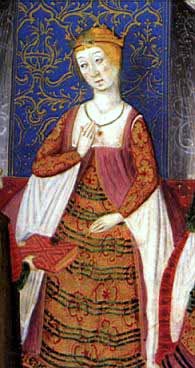
スペインにおけるルネサンスの始まりは、カトリック両王の君主制の歴史的・政治的状況と密接に結びついている。カトリック両王は、弱体な君主が強力で不安定な貴族を支配するという封建的な体制を維持していた中世の慣習から最初に脱却した人物たちである。カトリック両王は、勃興期の国家の勢力を結集し、有力な貴族家と同盟を結んで権力を維持した。これらの貴族家の一つであるメンドーサ家は、一族の身分を示す新たな様式、ひいては君主制の庇護を象徴するものとしてこの制度を利用した。
徐々に、この斬新な美意識は宮廷や聖職者の間にも広まり、衰退しつつあったグラナダ王国のナスル朝美術、高貴で個性的なゴシック様式のカスティーリャ女王、宮廷や教会の公式絵画におけるフランドルの傾向など、純粋なイベリア様式と融合していった。こうした要素の融合は、正統的なルネサンスの独自の解釈を生み出し、それがプラテレスク様式と呼ばれるようになった。そのため、イタリアから二次的な芸術家が招かれ、弟子たちがイタリアの工房に送られ、彼らはデザイン、建築設計図、書籍や版画、絵画などを持ち込み、それらから肖像画、主題、構図が模写された。
King Charles V was more predisposed to the new art, paradoxically called the old way, remitted to the Classical antiquity. His direct patronage achieved some of the most beautiful works of the special and unique Spanish Renaissance style: the patronage of Almazan de Covarrubias, his commissions for Titian, who never agreed to relocate to Spain. Painters of great quality were, far from the courtier nucleus, Pedro Berruguete, Juan de Juanes, Paolo da San Leocadio, of whom the delicate Virgin of the Caballero de Montesa is highlighted, Yáñez de la Almazan and Gerardo de los Llanos.
The painting of the Spanish Renaissance is normally completed in oil. It realizes interiors perfectly subject to the laws of perspective, without over-emphasis of the people. The figures are all of the same size and anatomically correct.
The colors and the shading are applied in tonal ranges, according to the Italian teachings. To accentuate the Italian style, in addition, it is common to add elements directly copied from it, like the adornments a candelieri (borders of vegetables and cupids that surround the frames), or Roman ruins in the countrysides, including in scenes of the life of Christ.