
Loading article…
ホルヘ・フェルナンド・ブランコ・デ・サンパイオGColTE GColIH GColL (ヨーロッパ系ポルトガル語: [ ˈʒɔɾʒɨ sɐ̃ˈpaju ]ⓘ(1939年9月18日- 2021年9月10日)は、ポルトガルの弁護士、政治家で、ポルトガル大統領を社会党員でありの党首を務めた。1990年から1995年までリスボン市長を務め文明の同盟の上級代表を。
サンパイオはエスタド・ノヴォ独裁政権に反対した人物だった。1960年代の学生運動に参加し、政治犯の弁護士としても活動した。彼の大統領在任中、ポルトガルは最後の植民地マカオを中国に返還し、約600年にわたるポルトガル帝国の終焉を告げた。サンパイオは1999年の東ティモール危機においても重要な役割を果たした。
サンパイオは1939年9月18日にリスボンでユダヤ系の中流家庭に生まれた。 [ 3 ] [ 4 ]サンパイオ一家は、国家予防接種プログラムの推進で知られる医師である父アルナルド・サンパイオ(1908年 - 1984年)の仕事の関係で、数年間アメリカとイギリスに住んでいた。[ 5 ] [ 4 ] [ 6 ]ホルヘ・サンパイオの母はフェルナンダ・ベンサウデ・ブランコ(1908年 - 2000年)で、サラ・ベンスリマン・ベンサウデの娘である。サラはモロッコ出身のセファルディ系ユダヤ人で、1976年に亡くなった。サンパイオの母方の祖父フェルナンド・アウグスト・ブランコ(1880年 - 1940年)はポルトガル海軍の士官で、後にポルトガルの外務大臣を務めた。また、母方の大叔父は実業家のジョゼ・ベンサウデ(1835年 - 1922年)である。[ 5 ] [ 6 ]サンパイオは自身をユダヤ人とは考えておらず、不可知論者であった。[ a ]
日刊紙プブリコのインタビューで、サンパイオは両親が「ヒトラーが(ポルトガルへ)その道を通って来るのではないかと恐れて、窓にテープを貼っていた」ことを思い出したと語った。[ 3 ]彼の兄弟は精神科医で学者のダニエル・サンパイオ(1946年生まれ)である。[ 5 ] [ 3 ]
サンパイオはシントラの邸宅で育った。[ 3 ]彼はリスボンのサン・ベントにあるクイーン・エリザベス・スクールに通った。[ 8 ] 1947年から1948年の学年度に、サンパイオ一家はダニエルを除いてアメリカ合衆国に移住し、父親がジョンズ・ホプキンス大学で教鞭をとっていたボルチモアに定住した。サンパイオはYMCAに入会し、ボクシングと水泳を練習した。また、ピーボディ音楽院でピアノのレッスンを受け、そのオーケストラにも参加した。学年度の終わりに、サンパイオはリスボンの叔父と叔母の家に戻り、その後すぐに両親がアメリカから戻ってきたためシントラに戻った。1949年、ホルヘ・サンパイオはコレジオ・ミリタールに入学しようとしたが失敗したため、リセウ・ペドロ・ヌネスに入学した。 5年生を終えた後、サンパイオはリセウ・パッソス・マヌエル校の法学コースに入学できるような科目を選択した。[ 4 ] [ 9 ]
ジョルジュ・サンパイオは、リスボン大学法学部の学生として政治キャリアをスタートさせた。[ 4 ]サンパイオは、ファシストのエスタド・ノヴォ政権に抗議する学生抵抗運動や1960年代の学内危機において重要な役割を果たし、1960年から1961年にかけてリスボン学生組合を率いた。[ 10 ] 1961年に卒業後、サンパイオは弁護士としてのキャリアをスタートさせ、その後父親の助言に従って政界入りし、しばしば政治犯の弁護を行った。[ 4 ]彼は、ベジャ兵舎襲撃事件やヴィジリア・ダ・カペラ・ド・ラト抗議運動で逮捕された人々など、有名な事件の被告人の弁護を担当した。サンパイオが後に共和国大統領に就任することになるマリオ・ソアレスの亡命に反対する文書は、彼の事務所にあった。 [ 10 ]彼はまた、ポルトガル弁護士協会の理事も務めた。[ 10 ] 1970 年代にはMovimento de Esquerda Socialista (MES)の共同創設者でした。 [ 11 ]
On 25 April 1974, during the Carnation Revolution, Sampaio was awakened by a friend's telephone call; he went to his office to gather information but returned home when the Armed Forces Movement ordered via radio no-one should leave their homes. Sampaio originated the slogan "25 de Abril, sempre!" ("Always the 25 of April!").[10][12]
In May 1974, Sampaio co-founded the Movement of Socialist Left ("Movimento de Esquerda Socialista (MES)") but soon after abandoned the political project when, in the first MES congress in December, he strongly opposed its Marxist-Leninist ideology.[10][12] On 28 September 1974, Sampaio participated in the barricades to prevent the arrival of citizens at a demonstration in support of General António de Spínola, then-president of the Republic, in an act known as the "demonstration of the silent majority".[12]
After the failed communist coup of 25 November 1975, Sampaio founded Intervenção Socialista (IS) (Socialist Intervention) in an attempt to unify the left but with little success.[12] In 1978, IS was absorbed by the Partido Socialista (PS) ("Socialist Party") and Sampaio joined that party, where he was associated with its left-most wing.[12][13]
Sampaio was first elected to the Assembly of the Republic in the 1979 legislative election as a deputy for Lisbon, an office he successively held until 1991.[10] Between 1979 and 1984, Sampaio was the first Portuguese member of the European Commission for Human Rights of the Council of Europe.[14] Between 1987 and 1988,[15] he was president of the parliamentary bench of the PS.[10] On 18 November 1988, Jorge Sampaio became a candidate for Secretary-General of the PS, and on 16 January 1989, after defeating Jaime Gama, he succeeded Vítor Constâncio, who resigned. Sampaio led the PS until 1992, when António Guterres defeated him by winning the primaries, after being presented as an alternative following the party's poor results in the 1991 legislative election.[4][10][12]
Also in 1989, Sampaio was elected the 62nd Mayor of Lisbon with a left-wing coalition the PS led after winning 49.1% of the vote against PSD candidate Marcelo Rebelo de Sousa.[16][17] This alliance was the first between the PS and the Portuguese Communist Party (PCP) after the Carnation Revolution, and was joined by the PEV, the UDP, the MDP/CDE and the PSR, and inaugurated a policy of municipal alliances with the PCP at Sampaio's initiative, which the PS did not support.[16][17]
Sampaio's mandate as mayor of Lisbon saw the conclusion of the Plano Estratégico e do Plano Diretor Municipal (PDM) and of the Plano Especial de Realojamento (PER), the consolidation and inauguration of Lisbon as European Capital of Culture in 1994, the reconstruction of Chiado district that burned down in 1988, and the opening of the Chiado and Music museums.[16][17]
サンパイオは1993年に市長として2期目に再選された。[ 12 ] 1995年2月、彼は翌年の大統領選挙に出馬する意向を表明し、7月にそれを確認した。立候補のため、サンパイオは市長職を辞任し、憲法裁判所に立候補を届け出た11月15日にジョアン・ソアレスが後任となった。[ 6 ] [ 12 ] [ 18 ]

選挙運動は1995年12月31日に始まり、選挙運動中、世論調査ではサンパイオが他の候補者である元首相のアニバル・カヴァコ・シルヴァよりも優勢だった。[ 19 ] [ 20 ]サンパイオは3,035,056票(52.66%)を獲得して選挙に勝利し[ 21 ] [ 22 ] 、1996年3月9日に共和国議会での式典で宣誓を行い、マリオ・ソアレスの後任となった。[ 23 ]また、歴史的な偶然もあった。現職の大統領と首相が同じ政党に所属するのはこれが初めてだった。[ 17 ]
4月13日、サンパイオは心臓手術を受けるためリスボンのサンタクルス病院に入院し、12日後に退院した。7月27日、彼は再び開胸手術を受けるため入院した。[ 12 ]このため、サンパイオは憲法裁判所に一時的な職務遂行の障害を理由に休暇を申請した。これはこのような事件としては初めてのことだった。サンパイオの後任には議会議長のアルメイダ・サントスが就任した。[ 10 ] [ 12 ]
1996年5月19日、エスタディオ・ナシオナルで行われた1996年タッサ・デ・ポルトガル決勝戦で、SLベンフィカのチアリーダーがロケット弾を発射し、スポルティングCPのファンが死亡した。サンパイオはハーフタイムに緊急会議を招集し、試合の後半を中止しようとした。[ 3 ] [ 24 ] 1998年5月、サンパイオはリスボンで開催されたエキスポ'98の開会式に出席した。[ 25 ]

1998年、サンパイオは国民投票を呼びかけた最初の大統領となった。最初の国民投票は6月28日に中絶について、2回目の国民投票は11月8日に地域化について行われた。[ 12 ]
1996年に大統領に就任すると、サンパイオとアントニオ・グテーレス政権は、当時インドネシアの一州であった東ティモールの独立に向けて取り組み始めた。1999年、オスロで、ノーベル平和賞受賞者のジョゼ・ラモス・ホルタとカルロス・ヒメネス・ベロ司教とのティモール情勢に関するCNNの討論会で、サンパイオの発言は、インドネシアの国連大使ヌグロホ・ウィスヌムルティオとの対立により、国際的な波紋を呼んだ。[ 26 ] [ 27 ]サンパイオは東ティモールの独立を支持した。[ 4 ]
1998年にインドネシアのスハルト大統領が辞任し、 BJハビビが後を継いだ後、ポルトガルと国際外交により、東ティモールで独立住民投票が実施された。[ 28 ]住民投票は1999年8月30日に実施され[ 29 ]、その後、親インドネシア民兵による極めて暴力的なテロ行為が続き、ポルトガルは国際社会、特にビル・クリントン米大統領政権に立場表明を迫った。[ 29 ] [ 26 ]ベレン宮殿で危機対策閣議が招集された。[ 28 ]サンパイオとポルトガル政府は、国際平和維持軍の派遣に向けて接触した。[ 12 ] 1999年9月15日、国連安全保障理事会決議1264が採択され、東ティモール国際軍が設立された。[ 30 ]
東ティモールの元大統領ジョゼ・ラモス・ホルタは、サンパイオは「東ティモールの大義の偉大な擁護者であり、独立につながる政治的・外交的解決において重要な役割を果たした」と述べた。[ 4 ]サンパイオは2000年2月に初めて東ティモールを訪問した。ポルトガルの国家元首としては初めての訪問だったが、母親の死を知ったため訪問は短縮された。[ 12 ] [ 31 ]サンパイオは、シャナナ・グスマンが大統領に就任し、同国が独立した後の2002年に東ティモールに再訪した。 [ 28 ]東ティモールは、2006年のサンパイオの最後の公式訪問先でもあった。[ 28 ]
1999年、マカオの主権を中国に移譲する交渉が終了し、12月19日、中国の指導者である江沢民との間で移譲が完了した。真夜中直前、サンパイオは別れの演説を行い、マカオにおける442年にわたるポルトガルの植民地支配に終止符を打った。[ 12 ] [ 28 ] [ 32 ]サンパイオがマカオの将来に関する問題が解決されない限り参加を拒否したため、同年3月には式典へのサンパイオの参加は疑わしかった。[ 33 ]

2000年10月19日、サンパイオは2001年の大統領選挙への立候補を発表した[ 12 ]。サンパイオは2,401,015票(55.55%)でホアキン・フェレイラ・ド・アマラルを破って選挙に勝利した。 [ 21 ] [ 34 ]
2001年、アメリカに対する9月11日の攻撃が進行中だったとき、サンパイオはベレン宮殿で客と昼食をとっていたが、すぐにキャンセルしなければならなかった。 [ 26 ] 2002年9月初旬、イラク侵攻の可能性についての議論が始まった。サンパイオは2016年のインタビューで認めたように、その時から、ポルトガルが参加すべきだというドゥラン・バローゾの立場には同意せず、イラクへの軍隊派遣に強く反対した。[ 35 ]首相によれば、サンパイオはアゾレス諸島サミットの目的は戦争を回避することだと考えていたが、大統領として、サンパイオには外交政策を決定する権限はなかった。[ 26 ] [ 35 ]
The defeat of the Socialist Party in the municipal elections of 2001 ended the government of António Guterres, who resigned. Instead of appointing the new leader of the PS Eduardo Ferro Rodrigues as head of government, after a round of consultations with the parliamentary parties, Sampaio dissolved the Assembly and called elections for March 2002.[36][26]José Manuel Barroso won the legislative election and Sampaio nominated him as the new prime minister.[37]
In February 2002, in an interview for the BBC, Sampaio said Portugal would hold a new referendum to decriminalize abortion. In the same interview, he defended the government's decision to decriminalize the use of certain drugs, a proposal several European leaders criticized. Sampaio also stated Europe should commit itself more energetically to resolve the crisis in the Middle East, and that the Palestinians and Israelis should return to negotiations.[38]
On 4 April 2002, Sampaio said he welcomed the peace accords that ended the Angolan Civil War, saying it "opens the way to reconciliation among Angolans and general elections".[39]

In October 2003, Sampaio invited the presidents of Finland and Germany, and the soon-to-be EU members Hungary, Latvia, and Poland to Arraiolos to discuss the consequences of the 2004 enlargement of the European Union and plans for a Constitution for Europe.[40]
In 2004, Sampaio refused to hold an early election following the resignation of Social Democratic Party Prime Minister Durão Barroso. Sampaio's refusal was met with protests from all left-wing parties and the resignation of socialist leader Ferro Rodrigues.[41] Sampaio appointed Pedro Santana Lopes as Prime Minister on 9 July 2004.[12] On 30 November, Sampaio said the new cabinet was not achieving the desired stability and he dissolved the Parliament and called another election for February 2005.[42] Following the PS's absolute majority in this election, Sampaio appointed José Sócrates Prime Minister.[12]
Sampaio's successor was chosen in the presidential election on 22 January 2006.[43]Aníbal Cavaco Silva, who Sampaio defeated in 1996, succeeded him on 9 March 2006.[44] During his ten years in office, Sampaio convened the Portuguese Council of State 22 times, mainly to manage the Macau issue. As of 2023, it is the highest number of conventions of any Portuguese president.[45]

As a former President, Jorge Sampaio became a member of the Portuguese Council of State in 2006.[46] He was also member of the Club de Madrid, an organization of more than 80 former democratic statespersons.[47]
In May 2006, United Nations Secretary-GeneralKofi Annan appointed Sampaio as his first Special Envoy for the Global Plan to Stop Tuberculosis.[48] On 26 April 2007, new UN Secretary-General Ban Ki-moon designated Sampaio as High Representative for the Alliance of Civilizations,[49] a position he held until February 2013, when Nassir Abdulaziz Al-Nasser succeeded him.[50]
In 2010, Sampaio participated in the jury for Fondation Chirac's Conflict Prevention Prize.[51] From 2013, he led the Global Platform for Syrian Students to boost the academic training of young people in Syria after the outbreak of the country's civil war and refugee crisis.[52] On 26 August 2021, in an article in the newspaper Público, Sampaio announced the Global Platform for Syrian Students was creating academic training for female Afghan students amid the Taliban's seizure of power in Afghanistan.[17][53]
Jorge Sampaio married twice. In 1967, he married Karin Schmidt Dias, a physician and daughter of anthropologist Jorge Dias and German-born pianist Margot Dias (née Schmidt), with whom he had no children. The couple divorced in 1971.[54][55]
On 6 April 1974, Sampaio married Maria José Ritta, with whom he had two children: Vera Ritta de Sampaio was born in 1975[56] and André Ritta de Sampaio was born in 1980.[56][54][17][55]
Sampaio played piano from childhood and was a member of Sporting CP, in which his membership number was 3,109.[3] He supported bullfighting,[57] and collected records and paintings. He was shy, cried easily, was discreet, had a poor temper, and was altruistic.[55][58] He also had a British accent and red hair he inherited from a paternal great-grandfather.[3]

In August 2021, while on vacation in Algarve, Sampaio began to feel unwell and was transferred by helicopter to Lisbon. On 27 August, he was admitted to Santa Cruz hospital,[59] where he died of respiratory failure on 10 September 2021, eight days before his 82nd birthday.[60][61] On that day, the Council of Ministers decreed three days of national mourning would begin on 11 September.[62] The next day, the funeral procession transited Lisbon City Hall, where the mayor Fernando Medina received him. The final destination was the Royal Riding Arena of the National Coach Museum, where the mortuary chapel was installed and his coffin was flanked with wreaths of red carnations.[63]
9月12日日曜日、サンパイオの国葬はジェロニモス修道院で執り行われ、国連事務総長やアントニオ・グテーレス元首相を含む国家最高機関が参列した。スペイン国王フェリペ6世、カーボベルデ首相ウリセス・コレイア・エ・シルバ、東ティモール国会 議長アニセト・グテレス・ロペス、ポルトガル語圏共同体の代表などの外国指導者も出席した。その後、個人的な儀式により、サンパイオはリスボンのアルト・デ・サン・ジョアン墓地に埋葬された[ 64 ]。[ 65 ]

In 2004, Sampaio received the Charles V European Award.[12] In 2009, Sampaio was awarded the North–South Prize of the Council of Europe.[79] In 2015, he, along with Dr. Helena Ndume, was a recipient of the Nelson Rolihlahla Mandela Prize in recognition of his role in the campaign for the restoration of democracy in Portugal, the pro bono defense of political prisoners, and for raising awareness of tuberculosis as the UN Secretary-General's first Special Envoy to Stop Tuberculosis.[80][81]
 Grand Collar of the Order of Prince Henry (5 April 2018)[82]
 Grand Collar of the Order of Liberty (9 March 2006)[82]
 Grand Collar of the Military Order of the Tower and Sword (9 March 2006)[82]
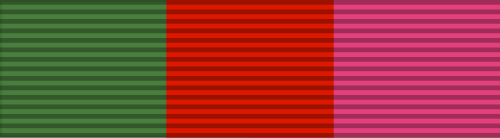 Grand Cross of the Sash of the Three Orders (9 March 1996 - 9 March 2006)[83]
 Grand Officer of the Order of Prince Henry (3 August 1983)[82]
Source:[84]
 Algeria: Collar of the National Order of Merit (1 December 2004)[84]
 Argentina: Collar of the Order of the Liberator General San Martín (12 December 2001)[84]
 Belgium: Grand Cordon of the Order of Leopold (9 October 2000)[85]
 Brazil:
  Cape Verde: First Class of the Amílcar Cabral Order (26 March 2001)[84]
 Chile:
  キプロス:キプロス共和国功労勲章大十字章(2001年9月30日)[ 84 ]
 東ティモール:東ティモール勲章大首飾り(2009年8月30日)[ 84 ]
 エストニア:
  フィンランド:
  フランス:レジオンドヌール勲章大十字章(1999年11月29日)[ 84 ]
 ガボン:赤道星勲章大十字章(2002年1月8日)[ 84 ]
 ドイツ:
ドイツ:  ギリシャ:救世主勲章大十字章(1999年12月10日)[ 84 ]
 ギニアビサウ:ボエ丘陵国家勲章大十字章(1996年7月2日)[ 84 ]
 ハンガリー:
  イタリア:イタリア共和国功労勲章大十字騎士章(2001年12月4日)[ 84 ]
 ラトビア:三つ星勲章大十字章(2003年5月8日)[ 84 ]
 リトアニア:ヴィータウタス大公勲章大十字章(2003年6月27日)[ 86 ]
 Luxembourg: Knight of the Order of the Gold Lion of the House of Nassau (15 June 2010)[84]
 Mexico: Collar of the Order of the Aztec Eagle (14 May 1999)[84]
 Morocco: Grand Cordon of the Order of Ouissam Alaouite (27 July 1995)[84]
 Mozambique: First Class of the Order of Friendship and Peace (12 May 1997)[84]
 Netherlands: Knight Grand Cross of the Order of Orange-Nassau (25 March 1992)[84]
 Norway: Grand Cross of the Order of St Olav (24 June 2004)[84]
 Paraguay: Collar of the National Order of Merit (4 January 2006)[84]
 Poland: Knight of the Order of the White Eagle (9 October 1997)[84]
 Romania: Collar of the Order of the Star of Romania (15 March 2000)[84]
 Slovakia: Grand Cross of the Order of the White Double Cross (30 June 2003)[87]
 Slovenia: Gold Medal of the Order of Freedom of the Republic of Slovenia (31 March 2000)[84]
 Spain:
  Tunisia:
  Ukraine: First Class of the Order of Prince Yaroslav the Wise (13 April 1998)[84]
 United Kingdom:
  Venezuela: