
Loading article…
Judicial corporal punishment is the infliction of corporal punishment as a result of a sentence imposed on an offender by a court of law, including flagellation (also called flogging or whipping), forced amputations, caning, bastinado, birching, or strapping. Legal corporal punishment is forbidden in most countries, but it still is a form of legal punishment practised according to the legislations of Brunei,[1]Iran,[1]Libya,[1] the Maldives,[1]Malaysia,[1]Saudi Arabia,[1]Singapore,[1] the United Arab Emirates,[1][2]Yemen,[1] and Qatar,[1] as well as parts of Indonesia (Aceh province)[1] and Nigeria (northern states).[1]

Singapore's use of caning as a form of judicial corporal punishment became much discussed around the world in 1994[4] when a United States citizen, Michael Fay, was caned for vandalism.[5] Two of Singapore's neighbouring countries, Malaysia and Brunei, also use judicial caning.
Other former British colonies which currently have judicial caning on their statute books include Barbados,[6]Botswana,[7]Brunei,[8]Swaziland,[9]Tonga,[10]Trinidad and Tobago,[11] and Zimbabwe.[12]
Many Muslim-majority territories, including Saudi Arabia, Qatar, Iran,[13] northern Nigeria,[14]Yemen,[15] and Indonesia's Aceh Province,[16] employ judicial whipping, caning and amputations for a range of offences.


A list of countries that use lawful, official judicial corporal punishment today is as follows:
 Afghanistan.[17][18][19] See Judicial corporal punishment in Afghanistan
 Antigua and Barbuda (flogging)[20][21]
 Bahamas (men – cat on bare back; boys – cane on bare buttocks; in private)[22][23]
 Botswana (males aged 14 to 40 – cane on bare buttocks; in private)[24][25]
 Brunei (men and boys – cane on bare buttocks; in private)[8][26][27] See Caning in Brunei.
 Dominica (boys under 16 – details unclear)[28]
 Indonesia, Aceh Special Region only (men and women – cane on clothed back; Muslims only: details unclear)[16]
 イラン(男性、女性、少年、少女 - 鞭または革紐、対象は特定されず、公衆または私的);[ 13 ]「目には目を」の刑罰も合法である。[ 29 ]
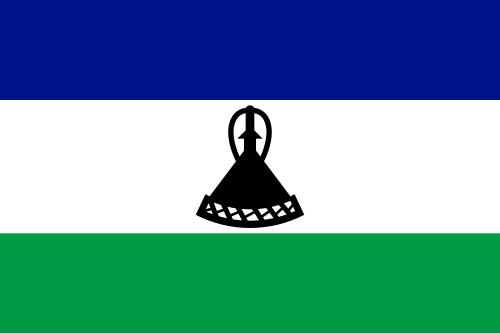 レソト(男性と少年 - 詳細は不明)[ 30 ]
 マレーシア(刑法:男性 - 裸の臀部を杖で叩く。非公開で、少年 - 服を着た臀部を軽い杖で叩く。法廷で)。[ 31 ]マレーシアでの鞭打ちを参照。*(シャリア法、イスラム教徒のみ:男性と女性 - 服を着た背中を杖で叩く。非公開で)[ 32 ] [ 33 ]
 モルディブ(男性と女性 - 詳細は不明)[ 34 ]
 モーリタニア(鞭打ち刑)[ 35 ]
 ナイジェリア(男性、女性 - 服を着た臀部への杖による鞭打ち、または裸の背中への鞭打ち。公衆または私的な場所。)[ 14 ] [ 36 ] [ 37 ] [ 38 ]
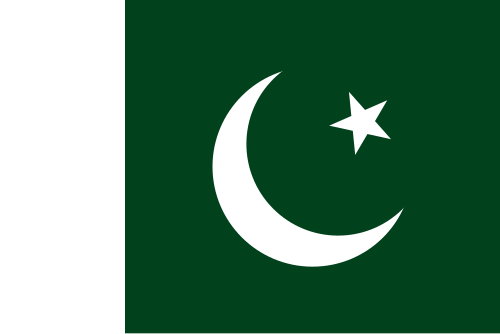 パキスタン(男性と少年 - 服を着た臀部に杖またはストラップを当てる。公衆または私的な場所)[ 39 ]
 カタール(男性と女性 - 詳細は不明、非公開)[ 40 ]
 サウジアラビア:サウジアラビアでは、児童犯罪者を含む強制切断や鞭打ちなどの体罰が行われている。[ 41 ]
 セントクリストファー・ネイビス(少年と男性 - 詳細は不明)[ 42 ] [ 43 ]
 シエラレオネ(男子のみ - 裸の尻に杖または白樺の枝で叩く)[ 44 ]
 シンガポール(男性と少年は裸の臀部を鞭で叩かれる。個室で行われる)。シンガポールでの鞭打ち刑を参照。
 ソマリア(男性と女性 - 服を着た臀部を杖で叩く)[ 45 ]
 エスワティニ(男子のみ - 裸の尻に杖を振る)[ 9 ]
 タンザニア(男性と少年 - 裸の尻に杖を打つ。人目のつかない場所で)[ 46 ]
 トンガ(男性 - 裸のお尻に猫、少年 - 裸のお尻に白樺または猫)[ 10 ]
 トリニダード・トバゴ(男性のみ - 裸の背中に猫、または裸のお尻に白樺の木;プライベートで)[ 47 ]
 ツバル(詳細は不明)[ 48 ]
 イエメン(詳細は不明)[ 15 ]
上記のリストには、バングラデシュ[ 49 ] 、エクアドル(男性と女性 - 伝統的な先住民の司法)[ 50 ] 、コロンビア[ 51 ]など、地元の部族や当局などが非公式のJCPに「見て見ぬふり」をすることがある国は含まれていません。
古代エジプト人は鼻切除術を行い、一部の犯罪者を罰するために鼻を切り落とした。そのような犯罪者は、チャルやリノコルラといったシナイ半島の各地に追放されることが多かった。
1854年、オランダでは鞭打ち刑を除くすべての形態の懲役刑が廃止された。鞭打ち刑は1870年に廃止された。刑法典第9条では、この種の刑罰は初等レベルと中等レベルの両方において記載されていない。
憲法裁判所は1995年のS対ウィリアムズ他事件において、少年に対する鞭打ちは違憲であるとの判決を下した。S対ウィリアムズ事件の判決は21歳未満の男性に対する体罰に限定されていたが、ランガ判事は傍論の中で、成人に対する体罰も違憲であるというコンセンサスが存在すると述べた。 [ 52 ]
1997年の体罰廃止法により、司法による体罰は廃止された。[ 53 ] [ 54 ]
英国では、一般的に司法による体罰は1948年に廃止されました。[ 55 ]しかし、刑務所では、巡回裁判官の命令により、刑務所職員に重大な暴行を加えた囚人に対する罰として体罰が継続され、 1967年刑事司法法第65条によって廃止されました。[ 56 ]刑務所での最後の鞭打ちは1962年に行われました。[ 57 ] [ 58 ]
ジャージー島で最後に鞭打ち刑が執行されたのは1966年である。鞭打ち刑は1969年に政策として廃止されたが、法律集には残っていた。体罰に関する時代遅れの記述は、2007年刑事司法(雑則)(第2号)(ジャージー)法によって、残りの法律から削除された。[ 59 ]
ガーンジー島で最後に鞭打ち刑が執行されたのは1968年である。1957年の体罰(ガーンジー)法は、2006年の刑事司法(雑則)(ガーンジー代官管轄区)法によって最終的に廃止された。[ 60 ]
司法による鞭打ち刑は、1978年の欧州人権裁判所によるタイラー対英国判決を受けて、1993年にマン島で廃止された。[ 61 ]最後の鞭打ち刑は1976年1月に行われ、最後のむち打ち刑は、10ペンスを他の子供から奪った罪で有罪判決を受けた13歳の少年に対するもので、1971年5月に記録された最後の少年事件である。[ 62 ]
アラブ首長国連邦の法的刑罰には、強制切断や鞭打ちが含まれます。[ 63 ] [ 64 ] [ 65 ]「目には目を」の刑罰も、アラブ首長国連邦の国内法の一部です。

American colonies judicially punished in a variety of forms, including whipping, stocks, the pillory and the ducking stool.[66] In the 17th and 18th centuries, whipping posts were considered indispensable in American and English towns.[67] Starting in 1776, George Washington strongly advocated and utilised judicial corporal punishment in the Continental Army, with due process protection, obtaining in 1776 authority from the Continental Congress to impose 100 lashes, more than the previous limit of 39.[68] In his 1778 Bill for Proportioning Crimes and Punishments, Thomas Jefferson provided up to 15 lashes for individuals pretending to witchcraft or prophecy, at the jury's discretion; castration for men guilty of rape, polygamy or sodomy, and a minimum half-inch (13 mm) hole bored in the nose cartilage of women convicted of those sex crimes.[69] In 1781, Washington requested legal authority from the Continental Congress to impose up to 500 lashes, as there was still a punishment gap between 100 lashes and the death penalty.[70]The Founders believed whipping and other forms of corporal punishment effectively promoted pro-social and discouraged anti-social behavior. Two later presidents, Abraham Lincoln and Theodore Roosevelt, advocated judicial corporal punishment as punishment for wife-beating.[71]
In the United States, judicial flogging was last used in 1952 in Delaware when John P. Barbieri, a 30-year-old man who was convicted of beating a 59-year-old woman whom he mistook for someone else and had a prior conviction for beating his wife, received 20 lashes.[72] In Delaware, the criminal code permitted floggings until 1972.[73][74][75] One of the major objections to judicial corporal punishment in the United States was that it was unpleasant to administer.

司法による体罰は、カナダでは1972年に[ 76 ] 、インドでは1955年に[ 77 ]、ニュージーランドでは1941年に[78]、オーストラリアでは州によって20世紀のさまざまな時期に廃止された[79 ]。ウィリアム・ジョン・オメアリーは、 1958年にメルボルンのペントリッジ刑務所でオーストラリアで最後に鞭打ち刑を受けた人物である。
香港[ 80 ]、ジャマイカ[ 81 ]、ケニア[ 82 ] 、スリランカ、ザンビア[ 83 ]では、 近年廃止されている。
かつてイギリス領でもイスラム国家でもなかったが、より遠い過去にJCPを使用した国には、中国[ 84 ] 、ドイツ[ 85 ] 、韓国[ 86 ] 、スウェーデン[ 87 ]、ベトナム[ 88 ]などがある。
2月、フジャイラ首長国のシャリア裁判所で姦通罪で有罪判決を受けたインドネシア人女性が、その刑を強く希望したとされる後、石打ちによる死刑を宣告された。控訴審で刑は懲役1年に減刑され、その後国外追放となった。1998年6月、フジャイラのシャリア裁判所は、強盗罪で有罪判決を受けたオマーン人3人に右手切断の刑を宣告した。フジャイラ検察庁は代わりに刑を懲役に減刑した。