
Loading article…


漢民族は中国本土で圧倒的に最大の民族集団であり、2010年の約12億人の人口の91.5%を占めている。[ 1 ]現在の中国には、他にも55の少数民族グループが存在し、その人口は約1億500万人、つまり中国人口の約8%を占めている。これらの少数民族は主に国境地帯に集中している。
中国の主な少数民族は、壮族(1960万人)、回族(1140万人)、ウイグル族(1100万人)、ミャオ族(1100万人)、満州族(1040万人)、イ族(980万人)、トゥチャ族(960万人)、チベット族(700万人)、モンゴル族(630万人)、ブイ族(350万人)、トン族(350万人)、ヤオ族(330万人)、白族(200万人)、朝鮮族( 170万人)、ハニ族(170万人)、リー族(160万人)、カザフ族(150万人)、タイ族(120万人)である。[ 2 ]さらに、 73万人を超える未承認の民族集団が多数存在する。中国の民族は総称して中華民族(中国語:中华民族;ピンイン: Zhōnghuá mínzú ;直訳: 「中国の民族」)と呼ばれます。
香港とマカオは中国の特別行政区であり、そのため中国本土で使用されている民族分類システムは使用していません。香港とマカオはどちらも漢民族が多数派で、西ヨーロッパ系(主にイギリス人とポルトガル人)、東南アジア系(主にフィリピン人、インドネシア人、ベトナム人)、南アジア系(香港の場合)の少数民族がいます。[ 3 ] [ 4 ]

Officially recognized ethnic groups receive or have received certain benefits over Han Chinese under the regional ethnic autonomy system, including affirmative action, exemptions from the one-child policy, designated seats in political organs and government support to preserve their culture. Ethnic minority autonomous areas receive additional state subsidies.[5][6] Languages of officially recognized minorities are used in official government documents.[7]
Soon after the establishment of the People's Republic of China, 39 ethnic groups were recognized by the first national census in 1954. This further increased to 54 by the second national census in 1964, with the Lhoba people added in 1965. The last change was the addition of the Jino people in 1979, bringing the number of recognized ethnic groups to the current 56. The following are the 56 ethnic groups (listed by population) officially recognized by the People's Republic of China.[8]
中国に居住する以下の民族グループは、中国政府によって承認されていません。
2000年に実施された中華人民共和国第5回全国人口調査では、中国本土の734,438人が「無民族」として記録され、そのうち97%が貴州省に居住していた。[ 15 ]


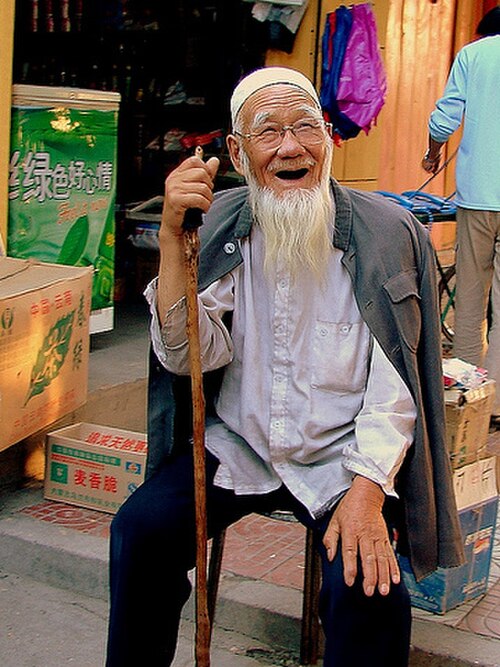


 ウィキメディア・コモンズにある中国の民族グループに関するメディア