
Loading article…
神経経済学は、人間の意思決定、複数の選択肢を処理する能力、行動計画を実行する能力を説明しようとする学際的な分野です。経済行動が脳の理解をどのように形成するか、また神経科学の発見が経済モデルをどのように導くことができるかを研究します。[ 1 ]
神経経済学は、神経科学、実験経済学、行動経済学の研究と、認知心理学、社会心理学の研究を組み合わせたものです。意思決定行動の研究がますます計算的になるにつれて、理論生物学、コンピュータ科学、数学からの新しいアプローチも取り入れています。神経経済学は、これらの分野のツールを組み合わせて使用することで意思決定を研究し、単一の視点からのアプローチから生じる欠点を回避します。主流経済学では、期待効用(EU)と合理的エージェントの概念が依然として使用されています。神経科学は、どのような感情、習慣、バイアス、ヒューリスティクス、環境要因が個人および社会の選好に寄与しているかを推測することで、この欠陥のある仮定への依存を減らす可能性があります。[ 2 ]それによって、経済学者はモデルで人間の行動をより正確に予測することができます。
行動経済学は、経済的意思決定を理解する上で社会的要因と認知的要因を統合することで、これらの異常現象を説明するために最初に登場した分野です。神経経済学は、神経科学と心理学を用いて意思決定の根源を理解することで、さらに新たな視点を加えています。これは、経済的意思決定を行う際に脳内で何が起こるかを研究するものです。研究対象となる経済的意思決定は、初めての住宅購入、選挙での投票、パートナーとの結婚、ダイエットなど、多岐にわたります。神経経済学は、さまざまな分野のツールを活用し、経済的意思決定の統合的な説明を目指しています。
1989年、ポール・グリムチャーはニューヨーク大学の神経科学センターに加わった。神経経済学のトピックへの最初の試みは、認知神経科学研究の普及が進んだこともあり、1990年代後半に始まった。[ 3 ]脳画像技術の進歩により、行動学と神経生物学の研究のクロスオーバーが突然可能になった。[ 4 ]同時に、人間の行動のより優れた予測モデルを生み出そうとする新古典派経済学と行動経済学の間で、重大な緊張が高まっていた。特に行動経済学者は、非合理的な選択という反証を裏付ける代替的な計算プロセスと心理プロセスを探すことで、新古典派に挑戦しようとした。[ 5 ]これらの収束する傾向が、それぞれの親分野からの多様かつ補完的な動機によって、神経経済学という下位分野の出現の舞台を整えた。
行動経済学者や認知心理学者は、意思決定に関する代替理論を実験・開発するために機能的脳画像法に着目した。一方、生理学者や神経科学者のグループは、選択に関連する神経ハードウェアのアルゴリズムモデルを開発するために経済学に着目した。この二分されたアプローチは、神経経済学の形成を学術的な探求として特徴づけたが、批判がないわけではなかった。多くの神経生物学者は、経済学の複雑なモデルを実際の人間や動物の行動に同期させようとする試みは無駄だと主張した。新古典派経済学者もまた、この融合は既存の顕示選好理論の予測力を向上させる可能性は低いと主張した。[ 5 ] [ 6 ]
初期の批判にもかかわらず、神経経済学は1990年代後半の誕生から2000年代にかけて急速に発展しました。経済学、神経科学、心理学といった先行分野の多くの研究者が、このような学際的な協力の可能性に注目するようになりました。2000年代初頭には、神経経済学の研究者と初期の研究者との会合が始まりました。その中でも重要なのは、2002年にプリンストン大学で開催された会合です。神経科学者のジョナサン・コーエンと経済学者のクリスティーナ・パクソンが主催したこのプリンストンでの会合は、この分野に大きな勢いをもたらし、今日の神経経済学会の形成期の始まりとしてしばしば評価されています。[ 5 ]
その後の勢いは2000年代を通して続き、研究は着実に増加し、「意思決定」と「脳」という言葉を含む出版物の数は著しく増加した。[ 5 ] 2008年に『神経経済学:意思決定と脳』の初版が出版され、重要な転換点を迎えた。[ 7 ]これは、増え続ける研究成果を広く利用可能な教科書にまとめたものであり、この分野にとって画期的な出来事となった。この出版物の成功により、神経経済学の認知度は急激に高まり、世界中の経済学教育におけるその地位を確固たるものにした。[ 5 ]
意思決定の分野は、個人が多数の選択肢の中から単一の選択を行うプロセスに大きく関わっています。これらのプロセスは一般的に論理的に進行し、意思決定自体は文脈にほとんど依存しないと想定されています。異なる選択肢はまず金銭的価値などの共通の通貨に換算され、互いに比較され、全体的な効用値が最も高い選択肢が選ばれるべきものとされます。[ 8 ]この経済学的意思決定観には支持がある一方で、最適な意思決定の前提が破られているように見える状況もあります。[ 9 ]
神経経済学という分野は、この論争から生まれた。神経経済学者は、どのような種類の意思決定プロセスにおいて脳のどの領域が活性化しているかを明らかにすることで、最適とは言えない、あるいは非論理的に見える意思決定の本質をより深く理解しようとしている。こうした研究者の多くは人間を被験者として研究を行っているが、中には動物モデルを用いる研究者もいる。動物モデルでは、より厳密に研究を管理でき、経済モデルの前提を直接検証できるからである。
例えば、Padoa-SchioppaとAssadは、サルが2種類のジュースから選択している間、サルの眼窩前頭皮質の個々のニューロンの発火率を追跡しました。ニューロンの発火率は食品の効用と直接相関しており、他の種類の食品が提供された場合でも違いはありませんでした。これは、意思決定の経済理論に従って、ニューロンが異なる選択肢間で何らかの効用を直接比較し、最も価値の高いものを選択していることを示唆しています。[ 10 ]同様に、前頭前皮質の機能不全の一般的な指標であるFrSBeは、経済的態度と行動の複数の異なる指標と相関しており、脳の活性化が意思決定プロセスの重要な側面を示すことができるという考えを裏付けています。[ 11 ]
神経経済学は、意思決定の神経生物学的基盤と計算的基盤を研究します。神経経済学の研究に適用できる基本的な計算のフレームワークは、A. Rangel、C. Camerer、および PR Montague によって提案されています。[ 12 ]このフレームワークは、意思決定のプロセスを、主体によって実行される 5 つの段階に分けます。まず、問題の表現が形成されます。これには、内部状態、外部状態、および潜在的な行動の分析が含まれます。次に、潜在的な行動に価値が割り当てられます。3 番目に、評価に基づいて、行動の 1 つが選択されます。4 番目に、主体は結果がどれほど望ましいかを評価します。最後の段階である学習では、将来の意思決定を改善するために、上記のすべてのプロセスが更新されます。
私たちの意思決定のほとんどは、何らかの不確実性の下で行われます。心理学や経済学などの意思決定科学では、通常、リスクを、それぞれの確率がわかっている場合の、複数の可能な結果に関する不確実性と定義します。[ 13 ]確率が不明な場合、不確実性は曖昧さという形をとります。[ 14 ] 1738年にダニエル・ベルヌーイによって初めて提唱された効用最大化は、リスク下での意思決定を説明するために使用されます。この理論は、人間は合理的であり、それぞれの選択肢から得られる期待効用に基づいて選択肢を評価すると仮定しています。[ 15 ]
研究と経験から、期待効用の異常や、効用最大化の原則と矛盾する一般的な行動パターンが数多く明らかになった。例えば、小さな確率を過大評価し、大きな確率を過小評価する傾向などである。ダニエル・カーネマンとエイモス・トベルスキーは、これらの観察結果を包含し、代替モデルを提供するプロスペクト理論を提唱した。[ 15 ]
不確実な状況に対処する際には、複数の脳領域が関与しているようです。結果についてある程度の不確実性があるときに個人が予測を行う必要があるタスクでは、前頭正中皮質のBA8領域の活動が増加し[ 16 ] [ 17 ]、内側前頭前野[ 18 ]と前頭頭頂皮質[ 19 ] [ 20 ]の活動がより広範に増加します。前頭前野は一般的にすべての推論と理解に関与しているため、これらの特定の領域は、すべての関連情報が利用できない場合に最善の行動方針を決定することに特に関与している可能性があります[ 21 ] 。
1994年に開発されたアイオワギャンブル課題では、4組のカードデッキからカードを選ぶという課題が行われました。そのうち2組はリスクが高く、より高い報酬が得られる反面、はるかに大きなペナルティが課せられていました。[ 22 ]ほとんどの人は、数回カードを選ぶと、損失が少ないため、リスクの低いデッキの方が長期的には報酬が高いことに気づきますが、腹内側前頭前野に損傷のある人は、リスクの高いデッキを選び続けます。これらの結果は、脳の腹内側前頭前野領域が、リスクの高い行動の長期的な結果を認識することに強く関連していることを示唆しています。この領域に損傷のある患者は、目先の利益よりも将来を優先する決定を下すのに苦労しました。[ 22 ]
曖昧さではなく既知のリスクを伴う状況では、島皮質が非常に活発になるようです。たとえば、被験者が「倍かゼロか」のゲームをプレイし、ゲームを終了して累積賞金を保持するか、リスクの高いオプションを選択して賞金を完全に失うか、賞金を倍にするかを選択できる場合、個人がギャンブルを選択したときに右島皮質の活性化が増加しました。[ 21 ]リスクを伴う意思決定における島皮質の主な役割は、ギャンブルをすることによる潜在的な負の結果をシミュレートすることであると仮説が立てられています。神経科学では、不快または痛みを伴うことを考えたり経験したりすると、島皮質が活性化することがわかっています。[ 23 ]
意思決定プロセスにおける特定の脳領域の重要性に加えて、神経伝達物質ドーパミンが不確実性に関する情報を皮質全体に伝達する可能性があるという証拠もある。ドーパミン作動性ニューロンは報酬プロセスに強く関与しており、予期せぬ報酬が発生した後に非常に活発になる。サルでは、ドーパミン作動性活動のレベルは不確実性のレベルと強く相関しており、不確実性が高まるにつれて活動が増加する。[ 24 ]さらに、脳内のドーパミン報酬経路の重要な部分である側坐核に病変のあるラットは、正常なラットよりもはるかにリスク回避的である。これは、ドーパミンが危険行動の重要な媒介因子である可能性を示唆している。[ 25 ]
人間のリスク回避の個人レベルは、テストステロン濃度によって影響を受ける。リスクの高い職業(金融取引、ビジネス)の選択とテストステロン曝露との相関関係を示す研究がある。[ 26 ] [ 27 ]さらに、指比率が低いトレーダーの日々の成果は、循環テストステロンの影響を受けやすい。[ 26 ]リスク回避とリスクの高い職業選択に関する長期研究が、MBA学生の代表グループを対象に実施された。この研究では、女性は平均的にリスク回避的であるが、リスク回避行動につながる組織的および活性化テストステロン曝露が低い場合、男女間の差はなくなることが明らかになった。唾液テストステロン濃度が高く、指比率が低い学生は、性別に関係なく、金融(例えば、取引や投資銀行)のリスクの高い職業を選択する傾向がある。[ 27 ]
2017年3月、ローレンス・T・ハントとベンジャミン・Y・ヘイデンは、私たちがどのように選択肢を評価し、最善の行動を選択するかを説明するために、メカニズムモデルとは異なる見解を主張した。[ 28 ]報酬に基づく選択に関する多くの説明は、連続的で機能的に局在化した明確な構成要素プロセスを主張している。構成要素プロセスには通常、選択肢の評価、他の要因がない場合の選択肢の価値の比較、適切な行動計画の選択、および選択の結果の監視が含まれる。彼らは、再帰的ニューラルネットワークにおける相互抑制や、皮質全体にわたる情報処理の時間スケールの階層的組織化など、神経解剖学のいくつかの特徴が選択の実行をどのようにサポートするかを強調した。
人間の意思決定の一側面として、潜在的な損失に対する強い嫌悪感がある。損失回避の心理では、損失の知覚コストは、同等の利益よりも強く感じられる。例えば、100ドル勝つか100ドル負けるかの確率が50/50で、損失が発生した場合、それに伴う反応は200ドル負けた場合と似たものになる。これは、100ドル負けることと100ドル勝つ可能性の合計である。[ 29 ]これは、ダニエル・カーネマンとエイモス・トベルスキーによるプロスペクト理論で最初に発見された。 [ 30 ]
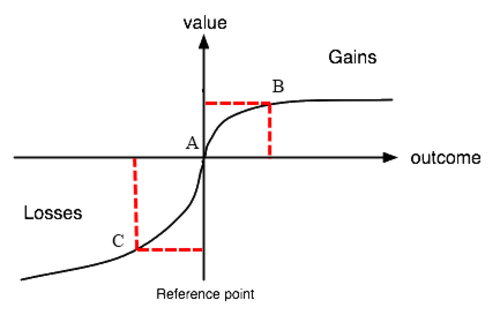
損失回避を理解する上での主な論争の1つは、この現象が脳内で、おそらく損失に伴う注意と覚醒の増加として現れるかどうかである。もう1つの研究分野は、損失回避が辺縁系などの皮質下領域で明らかであり、それによって感情的覚醒が関与しているかどうかである。[ 31 ]
損失回避研究における基本的な論争は、損失が同額の利益よりも実際に否定的に経験されるのか、それとも単に苦痛であると予測されるだけで実際には同程度に経験されるのかという点である。神経経済学の研究は、損失と利益の両方に対する異なる生理学的変化を測定することによって、これらの仮説を区別しようと試みてきた。研究によると、皮膚コンダクタンス[ 32 ] 、瞳孔拡張、心拍数[ 33 ]は、同額の利益よりも金銭的損失に対する反応でいずれも高いことがわかっている。これら3つの指標はすべてストレス反応に関与しているため、特定の金額を失うことは、同じ金額を得るよりも強く経験されると主張することもできる。一方、これらの研究の中には、損失回避の生理学的シグナルが見られなかったものもある。これは、損失の経験は単に注意(損失注意として知られるもの)に関係していることを示唆している可能性がある。このような注意の方向付け反応は、自律神経シグナルの増加にもつながる。[ 34 ]
脳の研究では、損失後の内側前頭前野と前帯状皮質の急速な反応が利益後よりも増加すると当初示唆されており[ 35 ]、これは損失回避の神経学的特徴として解釈されていました。しかし、その後のレビューでは、このパラダイムでは個人が実際に行動的な損失回避を示さないことが指摘されており[ 34 ]、これらの知見の解釈可能性に疑問が投げかけられています。fMRI研究に関しては、ある研究では損失回避に対する否定的な感情反応に関連する領域の活性化の増加の証拠は見つかりませんでしたが[ 36 ]、別の研究では、扁桃体が損傷した個人は一般的なリスク回避のレベルは正常であるにもかかわらず損失回避が欠如しており、この行動は潜在的な損失に特異的であることを示唆しています[ 37 ] 。これらの矛盾する研究は、損失に対する脳の反応が損失回避によるものか、単に損失の警告または方向付けの側面によるものかを判断するために、また潜在的な損失に特異的に反応する脳の領域があるかどうかを調べるために、より多くの研究が必要であることを示唆しています。
リスク選好に加えて、経済学におけるもう1つの中心的な概念は、時間的に分散したコストと便益を伴う意思決定である異時点間選択です。異時点間選択の研究は、人間が異なる時間に発生する事象に割り当てる期待効用を研究します。これを説明する経済学の支配的なモデルは割引効用(DU)です。DUは、人間は一貫した時間選好を持ち、事象がいつ発生するかに関係なく価値を割り当てると仮定しています。リスクを伴う意思決定を説明する際の期待効用と同様に、DUは異時点間選択を説明するには不十分です。[ 15 ]
例えば、DUは、今日キャンディーバー1本を明日の2本よりも高く評価する人は、100日後に受け取るキャンディーバー1本を101日後に受け取るキャンディーバー2本よりも高く評価すると仮定しています。この最後の部分には、人間と動物の両方において強い反証があり、双曲割引が代替モデルとして提案されています。このモデルでは、評価は短い遅延期間では非常に急速に低下しますが、長い遅延期間ではゆっくりと低下します。これは、明日のキャンディーバー2本よりも今日キャンディーバー1本を選ぶほとんどの人が、DUが仮定する100日後に受け取るキャンディーバー1本ではなく、実際には101日後に受け取るキャンディーバー2本を選ぶ理由をよりよく説明しています。[ 15 ]
異時点間選択における神経経済学的研究は、将来の割引や、より大きな報酬を後で得るよりも、より小さな報酬をすぐに得ることを衝動的に選択するといった観察された行動を何が媒介するのかを理解することを主な目的としている。即時報酬と遅延報酬の選択プロセスは、 2 つの脳領域の相互作用によって媒介されているようだ。一次報酬 (フルーツジュース) と二次報酬 (お金) の両方を含む選択では、即時報酬を選択するときに辺縁系が非常に活発になる一方、外側前頭前野はどちらの選択をしても同じように活発になる。さらに、辺縁系と皮質の活動の比率は、報酬までの時間に応じて減少する。これは、ドーパミン報酬経路の一部を形成する辺縁系が衝動的な決定に最も関与し、皮質は異時点間意思決定プロセスのより一般的な側面に関与していることを示唆している。[ 38 ] [ 39 ]
神経伝達物質セロトニンは、将来の割引を調節する上で重要な役割を果たしているようです。ラットでは、セロトニンレベルを低下させると将来の割引が増加しますが[ 40 ]、不確実性下での意思決定には影響しません[ 41 ] 。したがって、ドーパミン系は確率的不確実性に関与している一方で、セロトニンは遅延報酬が潜在的に不確実な未来を伴うため、時間的不確実性に関与していると考えられます。神経伝達物質に加えて、時間的選択は脳内のホルモンによっても調節されます。ヒトでは、ストレスに反応して視床下部から放出されるコルチゾールの減少は、時間的選択課題における衝動性の高さと相関しています[ 42 ] 。薬物中毒者は一般人口よりもコルチゾールレベルが低い傾向があり、これが薬物摂取の将来の負の影響を割り引いて、即時の正の報酬を選択する理由を説明できるかもしれません[ 43 ] 。
意思決定に関する研究の多くは、社会的文脈から切り離された個人の選択に焦点を当てているが、社会的相互作用を伴う意思決定についても考慮することが重要である。意思決定理論家が研究する行動の種類は、利他主義、協力、罰、報復など多岐にわたる。社会的意思決定において最も頻繁に用いられる課題の一つが、囚人のジレンマである。
このような状況では、特定の選択による報酬は、個人の決定だけでなく、ゲームに参加している他の個人の決定にも左右されます。個人は、パートナーと協力するか、パートナーを裏切るかを選択できます。典型的なゲームでは、裏切ることで全体的な報酬が高くなる場合でも、個人は相互協力を選択する傾向があります。これは、個人が金銭的な利益だけでなく、社会的な状況で協力することによって得られる何らかの報酬によっても動機づけられていることを示唆しています。
この考えは、個人が他の人と協力するときに腹側線条体の活性化度が高いことを示す神経画像研究によって裏付けられていますが、人々がコンピューターに対して同じ囚人のジレンマをプレイするときにはそうではありません。[ 44 ] [ 45 ]腹側線条体は報酬経路の一部であるため、この研究は、社会的状況で協力するときに特に活性化される報酬システムの領域がある可能性があることを示唆しています。この考えをさらに裏付けるのは、線条体と腹側被蓋野の活性化が、お金を受け取るときと慈善団体にお金を寄付するときに同様の活性化パターンを示すことを示す研究です。どちらの場合も、お金の額が増えるにつれて活性化レベルが増加するため、お金を与えることと受け取ることの両方が神経報酬につながることを示唆しています。[ 46 ]
囚人のジレンマのような社会的相互作用の重要な側面は信頼です。ある個人が別の個人と協力する可能性は、最初の個人が2番目の個人が協力するとどれだけ信頼しているかに直接関係しています。もし他の個人が裏切ると予想される場合、彼らと協力する理由はありません。信頼行動は、多くの種で母性行動やペア結合に関与するホルモンであるオキシトシンの存在と関連している可能性があります。ヒトでオキシトシンレベルが上昇すると、リスクテイクの全体的なレベルは影響を受けなかったにもかかわらず、対照群よりも他の個人を信頼するようになったことから、オキシトシンはリスクテイクの社会的側面に特に関与していることが示唆されます。[ 47 ]しかし、この研究は最近疑問視されています。[ 48 ]
神経経済学研究のもう 1 つの重要なパラダイムは最後通牒ゲームです。このゲームでは、プレイヤー 1 は一定額のお金を受け取り、プレイヤー 2 にいくら提示するかを決定します。プレイヤー 2 は提示を受け入れるか拒否します。プレイヤー 2 が受け入れた場合、両方のプレイヤーはプレイヤー 1 が提示した金額を受け取りますが、拒否した場合は誰も何も受け取りません。プレイヤー 2 の合理的な戦略は、ゼロより価値が高いので、どんな提示でも受け入れることです。しかし、人々は不公平だと考える提示を拒否することが多いことが示されています。神経画像研究では、最後通牒ゲームで不公平さに反応して活性化される脳領域がいくつか示されています。それらには、両側中前部島皮質、前帯状皮質(ACC)、内側補足運動野(SMA)、小脳、右背外側前頭前野(DLPFC) が含まれます。[ 49 ] DLPFC の低周波反復経頭蓋磁気刺激は、最後通牒ゲームで不公平な提示を受け入れる可能性を高めることが示されています。 [ 50 ]
神経経済学の分野におけるもう一つの問題は、社会的意思決定における評判獲得の役割である。社会交換理論は、向社会的行動は社会的報酬を最大化し、社会的コストを最小化する意図から生じると主張している。この場合、他者からの承認は重要な正の強化因子、つまり報酬とみなされる可能性がある。神経画像研究はこの考えを裏付ける証拠を提供しており、社会的報酬の処理は、特に左被殻と左尾状核といった線条体を活性化することが示されており、これは金銭的報酬の処理中にこれらの領域が活性化されるのと同様である。これらの発見は、異なる種類の報酬の処理に共通の神経基盤が存在すると仮定する、いわゆる「共通神経通貨」の考え方も支持している。[ 51 ]
性的なパートナーの選択に関しては、人間と非ヒト霊長類を対象とした研究が行われてきました。特に、Cheney & Seyfarth 1990、Deaner et al. 2005、Hayden et al. 2007は、身体的に魅力的な個体を含む社会的地位の高い個体へのアクセスと引き換えに、より少ない物的財やより高い価格を受け入れる持続的な意欲を示唆していますが、地位の低い個体との関係を求められると、ますます高い報酬が要求されます。[ 52 ]
Cordelia Fine is most well known for her research on gendered minds and sexual decision-making. In her book Testosterone Rex she critiques sex differences in the brain and goes into detail on the economic cost and benefits of finding a partner, as interpreted and analysed by our brains.[53] Her work showcases an interesting sub-topic of neuroeconomics.
The neurobiological basis for this preference includes neurons of the lateral intraparietal cortex (LIP), which is related to eye movement, and which is operative in situations of two-alternative forced choices.[54]
Behavioral economics experiments record the subject's decisions over various design parameters and use the data to generate formal models that predict performance. Neuroeconomics extends this approach by adding states of the nervous system to the set of explanatory variables. The goal of neuroeconomics is to help explain decisions and to enrich the data sets available for testing predictions.[7]
Furthermore, neuroeconomic research is being used to understand and explain aspects of human behavior that do not conform to traditional economic models. While these behavior patterns are generally dismissed as 'fallacious' or 'illogical' by economists, neuroeconomic researchers are trying to determine the biological reasons for these behaviors. By using this approach, researchers may be able to find explanations for why people often act sub-optimally.[9]Richard Thaler provides a prime example in his book Misbehaving, detailing a scenario where an appetiser is served before a meal and guest accidentally fill up of it. Most people need the appetiser to be completely hidden in order to stop themselves from the temptation, where as a rational agent would simply stop and wait for the meal.[9] Temptation is just one of the many irrationalities that have been ignored due to difficulties of studying them[55]
経済行動の生物学的基盤を理解するために利用できるさまざまな手法があります。神経イメージングは、特定のタスク中に脳のどの領域が最も活発であるかを判断するために、人間の被験者に使用されます。fMRI [ 17 ] [ 18 ] [ 19 ]や PET などのこれらの手法は、タスクに関与する特定の構造に関する情報を提供できる脳の詳細な画像を提供するのに最適です。ERP (事象関連電位) [ 56 ]や振動脳活動[ 57 ]などの他の手法は、脳のより一般的な領域内のイベントの時間経過に関する詳細な知識を得るために使用されます。脳の特定の領域が経済的意思決定の種類に関与していると疑われる場合、研究者は経頭蓋磁気刺激(TMS) を使用してその領域を一時的に妨害し、脳が正常に機能することを許可した場合の結果と比較することができます。[ 58 ]最近では、報酬に基づく意思決定における個人差を決定する上で、脳領域間の白質接続などの脳構造が果たす役割に関心が寄せられています。[ 59 ]
神経科学では、必ずしも脳を直接観察するとは限りません。脳活動は、皮膚コンダクタンス、心拍数、ホルモン、瞳孔拡張、筋電図として知られる筋肉収縮などの生理学的測定によって解釈することもできます。特に顔の筋肉収縮は、意思決定に関連する感情を推測するために用いられます。[ 60 ]
脳の領域を研究することに加えて、行動に関連するさまざまな脳内化学物質の機能を理解することを目的とした研究もあります。これは、既存の化学物質レベルとさまざまな行動パターンを相関させるか、脳内の化学物質の量を変化させて、結果として生じる行動の変化を観察することによって行うことができます。たとえば、神経伝達物質セロトニンは、時間的選択を伴う意思決定に関与しているようです[ 41 ]。一方、ドーパミンは、個人が不確実性を伴う判断を行う際に利用されます。[ 24 ]さらに、オキシトシンレベルを人工的に増加させると、人間の信頼行動が増加します[ 47 ]。一方、コルチゾールレベルが低い人は、より衝動的で、より将来の割引を示す傾向があります。[ 42 ]
神経学的に正常な個人の意思決定課題における行動を研究することに加えて、意思決定に関与すると予想される脳領域に損傷を受けた個人の行動と比較する研究もある。人間の場合、これは特定の種類の神経障害を持つ個人を見つけることを意味する。これらの症例研究では、扁桃体の損傷などがあり、対照群と比較して損失回避が低下する。[ 37 ]また、前頭前皮質の機能障害を測定する調査のスコアは、リスク選好などの一般的な経済的態度と相関している。[ 11 ]
これまでの研究では、精神疾患患者の行動パターンや、統合失調症[ 61 ] 、自閉症、うつ病などの依存症の神経経済学を調査し、その病態生理学の洞察を得ようとしてきた。[ 3 ]動物実験では、高度に制御された実験により、経済行動における脳領域の重要性についてより具体的な情報を得ることができる。これには、脳領域全体を損傷させて結果として生じる行動の変化を測定する[ 25 ]か、電極を使用して特定の刺激に対する個々のニューロンの発火を測定する[ 10 ]かのいずれかが含まれる。




上記の方法論で説明したように、典型的な行動経済学の実験では、被験者は一連の経済的意思決定を行うよう求められます。たとえば、被験者は45セントを受け取るか、1ドルを獲得できる確率が50%のギャンブルをするかを選択するよう求められる場合があります。多くの実験では、参加者はゲームを完了し、そこで一度限りの意思決定または繰り返しの意思決定を行い、心理的反応と反応時間が測定されます。たとえば、将来割引として知られる、人々の将来に対する関係をテストするために、「今日10ドルを受け取るか、1年後に50ドルを受け取るか」といった質問をすることが一般的です。 [ 62 ]実験者は、被験者が意思決定を行う際に脳内で何が起こっているかを判断するために、さまざまな変数を測定します。神経経済学は、報酬に関する実験だけでなく、依存症や妄想などの一般的な精神疾患を説明するのにも役立つ可能性があることを示した著者もいます。[ 63 ]
神経経済学の黎明期から、その急速な学術的発展に至るまで、この分野の妥当性と有用性について批判が表明されてきた。グレン・W・ハリスとエマニュエル・ドンチンはともにこの新興分野を批判しており、ハリスは2008年に論文「神経経済学:批判的再考」でその懸念を発表した。[ 6 ] [ 64 ]ハリスは、神経科学によって得られた経済モデリングに関する洞察の多くは「学術的なマーケティングの誇大宣伝」であり、この分野の真髄はまだ明らかになっておらず、真剣に再考する必要があると推測している。また、方法論的に、神経経済学の研究の多くはサンプルサイズが小さく適用範囲が限られているため欠陥があるとも述べている。
2016年にArkady Konovalovによって発表された神経経済学の知見に関するレビューでは、この分野が実験上の欠点を抱えているという見解が共有されている。その主な欠点は、特定の脳領域と「価値」などのいくつかの心理学的構成概念との間の類似した関連性の欠如である。レビューでは、初期の神経経済学のfMRI研究では、特定の脳領域が意思決定プロセスにおける1つの機能に単独で責任を負っていると想定されていたが、その後、それらが複数の異なる機能に関与していることが示されたと述べている。そのため、逆推論の手法はあまり使われなくなり、この分野に悪影響を与えている。[ 65 ]代わりに、fMRIは単独の方法論ではなく、自己報告や行動データと収集して関連付けるべきである。[ 66 ]消費者神経科学における機能的神経画像の使用の妥当性は、研究を慎重に設計し、メタ分析を実施し、心理測定データと行動データを神経画像データと関連付けることによって向上させることができる。[ 67 ]
テルアビブ大学の経済学者アリエル・ルービンシュタインは、神経経済学の研究について、「標準的な実験では、少数の選択観察から選択関数全体に外挿することは難しいため、選択の手順に関する情報はほとんど得られません。人間の選択の手順についてもっと知りたい場合は、別のところを探す必要があります」と述べている。 [ 68 ]これらのコメントは、従来の経済学者が神経経済学のアプローチに対して主張する顕著で一貫した議論を反映している。すなわち、反応時間、視線追跡、意思決定中に人々が生成する神経信号などの非選択データの使用は、いかなる経済分析からも除外されるべきだという主張である。[ 69 ]
その他の批判としては、神経経済学は「自らを過大評価している分野である」[ 68 ]、あるいは神経経済学の研究は「従来の経済モデルを誤解し、過小評価している」という主張も含まれている。
現在、神経経済学の現実世界における応用や予測は、この急成長分野が成長を続ける中で、まだ未知または未発達である。これまでの研究とその成果の蓄積が、経済政策立案者にとって適切な提言をほとんど生み出していないという批判もある。しかし、多くの神経経済学者は、意思決定における脳の仕組みの理解を深めるこの分野の可能性は、将来的に非常に大きな影響力を持つ可能性があると主張している。[ 65 ]
特に、個人の嗜好の特定の神経学的マーカーの発見は、よく知られた経済モデルやパラダイムに重要な意味を持つ可能性がある。その一例として、計算能力の向上(おそらく灰白質体積の増加に関連)が、宝くじ課題における確率と報酬の主観的表現を規定する制約を緩めることで、より高いリスク許容度につながる可能性があるという発見がある。[ 70 ]
経済学者たちは、市場レベルに影響を与える集団の集合的行動の説明を支援するために、神経経済学にも注目している。例えば、多くの研究者は、神経生物学的データを用いて、個人または集団が経済的に問題のある行動を示す可能性が高い時期を検出できると予測している。これは、市場バブルの概念にも応用できる。これらの現象は現代社会において重大な結果をもたらし、規制当局は、その発生と予測・防止の欠如について重要な洞察を得ることができるだろう。[ 71 ]
神経経済学の研究は、依存症に関する学術的な研究とも密接な関係を築いてきた。研究者たちは、2010年に出版された『Advances in the Neuroscience of Addiction: 2nd Edition』の中で、神経経済学的アプローチは「依存行動の理解の進歩に不可欠となる可能性のある強力な新しい概念的方法」であると認めている。[ 72 ]
ドイツの神経科学者タニア・シンガーは、 2015年の世界経済フォーラムで、思いやりトレーニングに関する自身の研究について講演した。経済学と神経科学は大きく分かれているが、彼女の研究は両者が融合できることを示す好例である。彼女の研究では、3ヶ月間の思いやりトレーニングの後、向社会的行動への嗜好の変化が明らかになった。彼女はまた、脳の灰白質の構造的変化を示し、精神トレーニングの結果として新たな神経結合が形成されたことを実証した。[ 73 ]彼女は、経済学者が消費以外の予測因子を使用すれば、より多様な経済行動をモデル化して予測できることを示した。彼女はまた、思いやりの感情が刺激されたときに向社会的行動などの肯定的な行動結果に予測可能な状況を作り出すことができるため、神経経済学は政策決定を大幅に改善できると主張した。[ 74 ]彼女の研究は、神経経済学が個人の精神、社会規範、そして政治情勢全体に及ぼす影響を示している。[ 75 ]
ニューロマーケティングは、神経経済学と密接に関連する独自の学問分野の応用例です。より広範な神経経済学は意思決定の基本メカニズムを研究するため、より学術的な目的を持っていますが、ニューロマーケティングは市場調査に神経画像ツールを使用する応用分野です。[ 76 ] [ 77 ]脳画像技術(fMRI)から得られた知見は、通常、特定のマーケティング刺激に対する脳の反応を分析するために使用されます。
Another neuroscientist, Emily Falk contributed to the neuroeconomics and neuromarketing fields by researching how the brain reacts to marketing aimed at evoking behavioral change. Specifically, her paper on anti-smoking advertisements highlighted the disparity between what advertisements we believe will be convincing and what the brain responds to most positively. The advertisement the experts and trial audience agreed on as being the most effective anti-smoking campaign actually elicited very little behavioral change in smokers.[78] Meanwhile, the campaign ranked least likely to be effective by the experts and audience, generated the strongest neural response in the medial prefrontal cortex and resulted in the largest number of people deciding to quit smoking.[78] This revealed that often our brains may know better than us when it comes to what motivators lead to behavioral change. It also emphasises the importance of integrating neuroscience into mainstream and behavioral economics to generate more wholistic models and accurate predictions. This research could have impacts in promoting healthier diets, more exercise, or encouraging people to make behavioral changes that benefit the environment and reduce climate change.