Loading article…
これはヤマハ株式会社が製造する製品の一覧です。 2008年2月1日よりヤマハ株式会社の完全子会社となったベーゼンドルファー社が製造する製品は含まれていません。
ヤマハ発動機が製造する製品については、ヤマハのオートバイ一覧をご覧ください。ヤマハ発動機はヤマハと同じブランド名を使用していますが、1955年以降は別会社となっています。
1900年、ヤマハはピアノの製造を開始した。




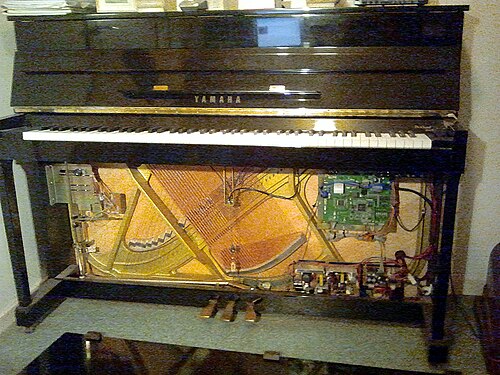
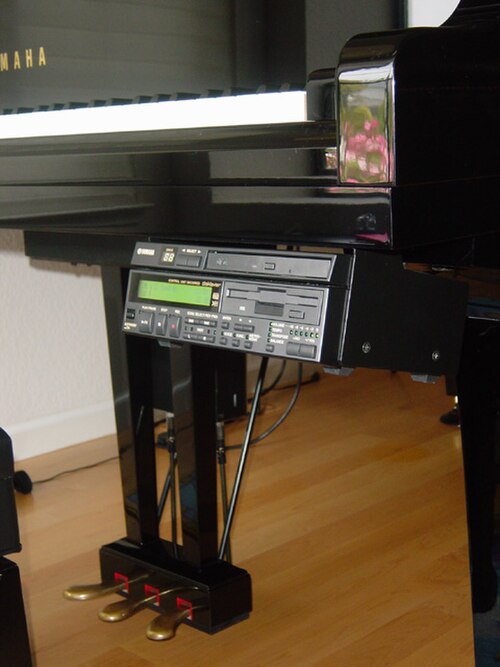
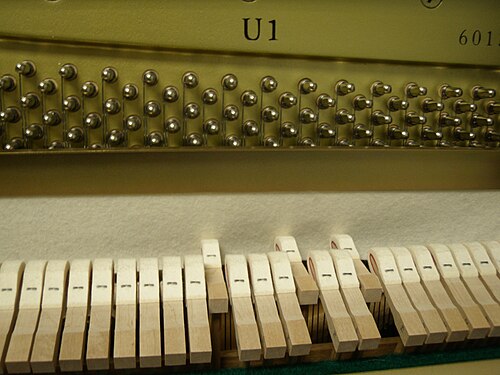
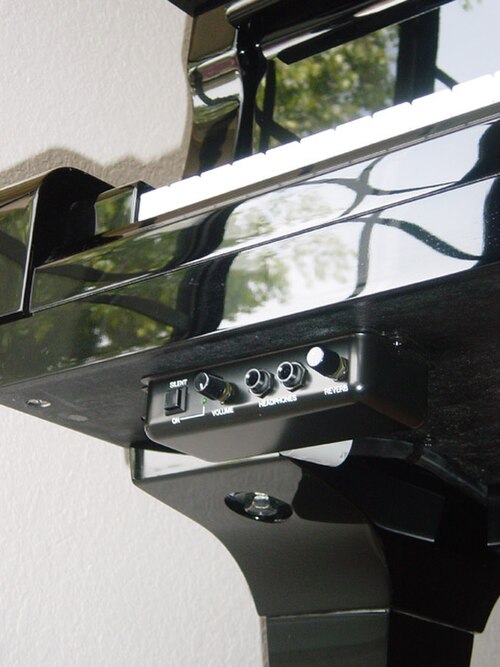
SCシリーズは、アップライトB1、B2、B3、グランドGB1Kといった「エントリーレベル」モデルに採用されています。
SHシリーズのサイレントモジュールは、アップライトピアノのP116、P121、U1、U3、YUS1、YUS3、YUS5、SE122、SE132、SU7、グランドピアノのS3X、S5X、S6X、S7X、C1X、C2X、C3X、C3Xクローム、C5X、C6X、GC1、GC2などの上位機種に搭載されています。(執筆時点のYamaha.comの情報に基づく)
TransAcoustic(トランスデューサーを追加することで、ピアノを実質的に大きなスピーカーとして機能させるサイレント方式)
yamaha.comによると、アップライトピアノのU1、U3、YUS1、YUS3、YUS5、グランドピアノのGC1、C1Xに搭載されている。


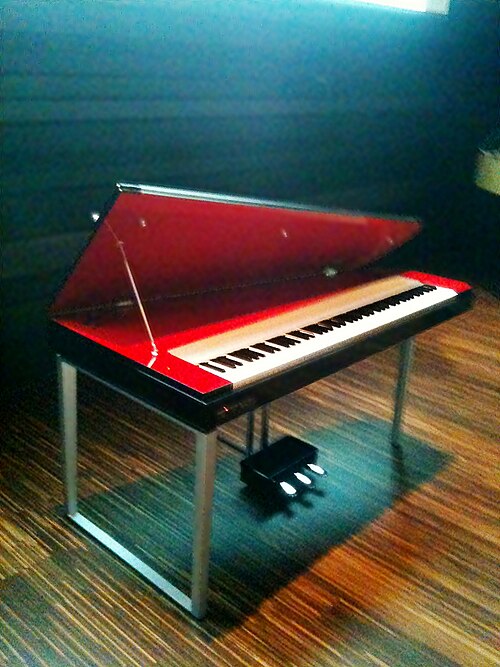
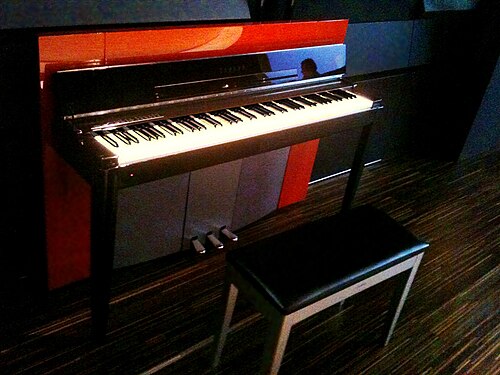

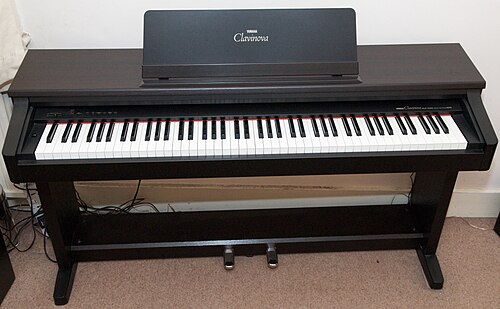


エンターテイメントシリーズ


1888年、ヤマハはリードオルガンの形でポンプオルガンの製造を開始した。
1921年、ヤマハは創業者死去に伴い横浜の西川商会を買収し、1936年まで西川製のオルガンとピアノの製造を続けた。


1935年に発表されたマグナオルガン[ 9 ] [ 10 ]は、1934年にヤマハのエンジニア、山下誠一によって発明されたマルチティンバー鍵盤楽器である。これは一種の電気音響楽器であり、音響楽器に音響変調のための追加の電子回路が組み込まれている。マグナオルガンは、静電リードオルガンで使用される静電ピックアップの代わりに、防音ボックスに密閉されたマイクロホンを備えた電動ファン駆動のフリーリードオルガンである[注1 ]。マグナオルガンの初期の設計は、周波数逓倍器によって生成された倍音を加算する 一種の加算合成器であった[ 11 ] [ 12 ]。しかし、 1930年代の技術では、相互変調歪みなしでポリフォニーを実現することは困難であった。 [ 13 ]追加の特許[ 14 ] [ 15 ]および当時のレビュー[ 11 ]によると、最終的に実装された後の設計は、フリーリード、マイクロホン、スピーカーの組み合わせを使用した音色化システムに移行したようです。[ 13 ]
なお、自由リードとマイクロフォンのペアを二重防音ボックスに封入した同様のタイプの楽器は、後に1959年に東京の東洋電子楽器研究所によってクロダオルガンとして再商品化された。[ 16 ]

最も多くのモデルと発売年は公式記録に基づいています。[ 17 ]また、各時代の主要モデルの写真が50周年記念サイトで入手できます。[ 18 ]


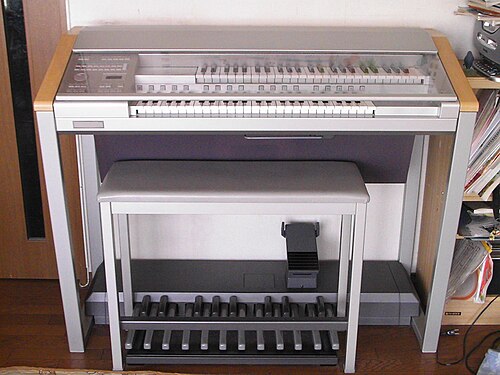


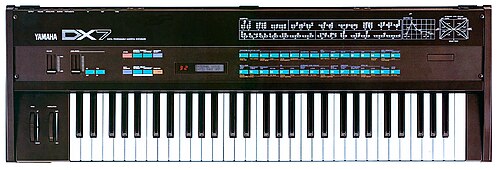


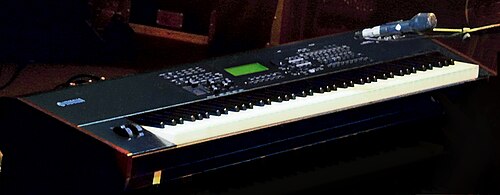




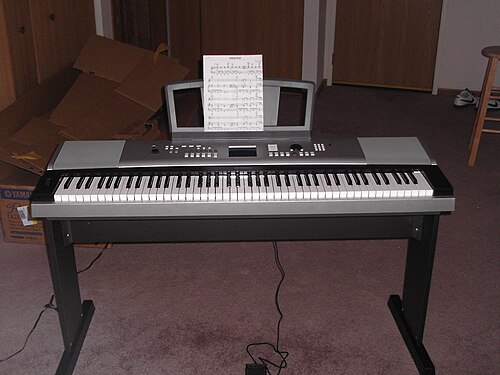
PSR-SXシリーズ(PSR-Sシリーズの後継機種。Genos OSを採用)

ジェノスシリーズ(タイロスおよび初代PSR-SXシリーズの後継シリーズ)
オリエンタルアレンジメントワークステーション


D1-DJX(1998年製、DJキーボード)

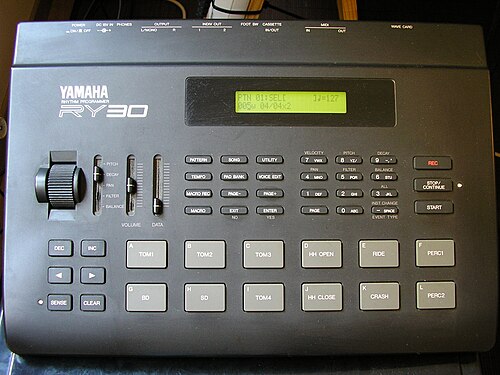


The Yamaha WX5, WX7, and WX11 are models of monophonicMIDIwind controller musical instruments manufactured by the Yamaha Corporation that have since been discontinued. The fingering system is based on the saxophone basic fingering. Like a keyboard controller, wind controllers send MIDI note information electronically to an external sound module or tone generator which in turn synthesizes a tremendous variety of musical tones. Unlike a keyboard controller which is usually polyphonic, a wind controller is monophonic. The only limits to the kinds of sounds available are the limitations of the external module/tone generator, not the WX5 itself. A WX5 performer can sound like any melodic instrument: wind, string, percussion, keyboard, or purely electronic, including special sound effects. In addition most tone generators a mix of instruments can be programmed.
The WX5 wind controller simulates a wind instrument because of the way it is played, the key layout, and because it responds to breath (wind) pressure as well as lip pressure on a simulated reed mouthpiece similar to that of a saxophone or clarinet. The wind and lip pressure information is converted to MIDI data which is interpreted by the external sound module. Usually the wind pressure is interpreted as loudness and lip pressure is interpreted as pitch bend; thus, the instrument responds much like an acoustic wind instrument and extremely realistic musical phrasing is available to the player.
The WX5 has a 16-key layout similar to a standard saxophone. It also includes a built-in MIDI output connector, a dedicated connector and cable for direct connections to Yamaha WX-Series tone generators, a high-resolution wind sensor, and a thumb-controlled pitch bend wheel. Yamaha recommend that this device be used with the Yamaha VL70m Virtual Acoustic Tone Generator.
The WX7 was the first model that Yamaha produced, beginning in 1987.[44] This was followed by the WX11 in 1988,[44] and then the WX5 in 1998.[44] The WX5 was discontinued in October 2017.



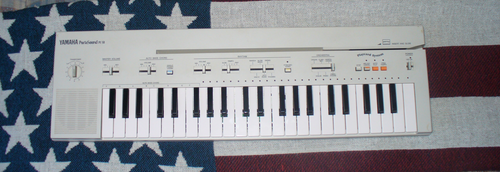


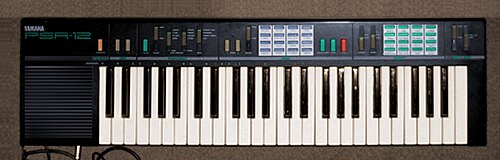

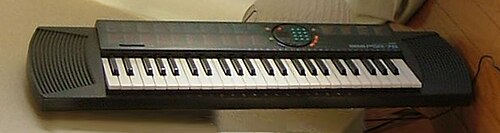
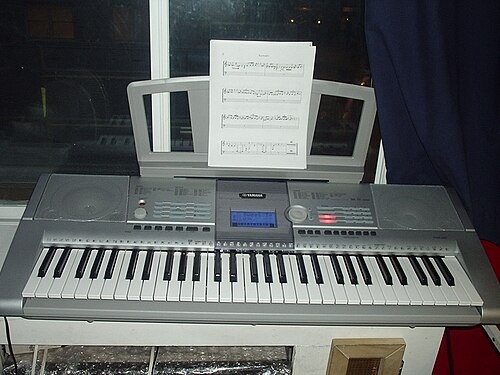

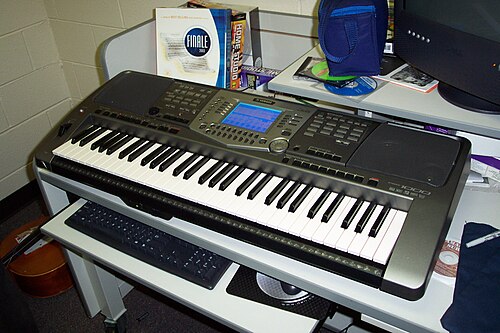


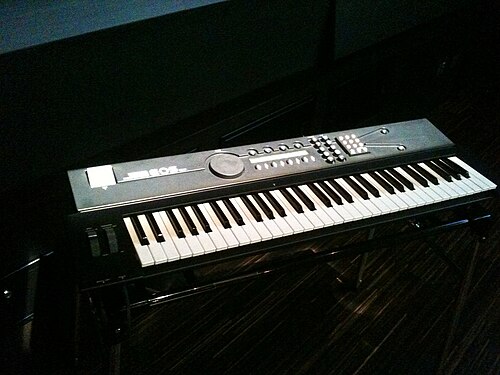

F310

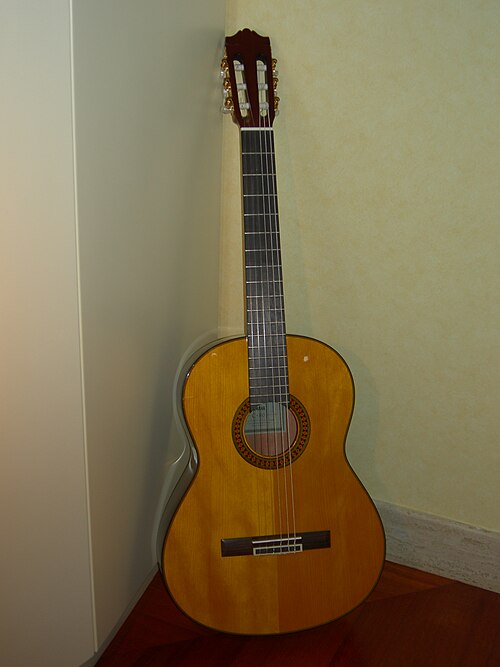
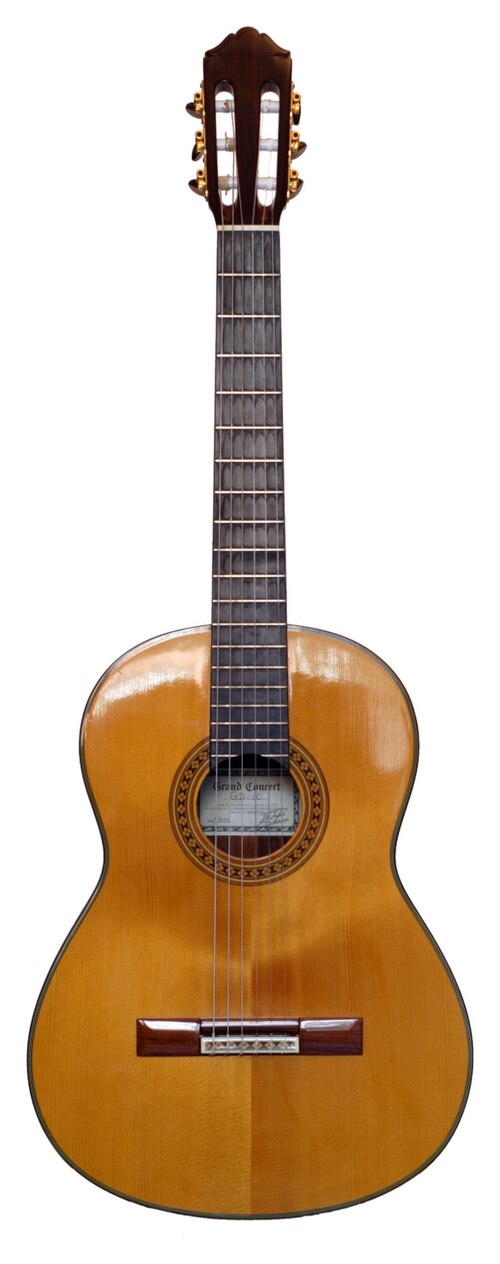


F-310
FS Series
Early & Legacy FS Models
FS800 Series (launched 2016)
Acoustic-Electric (cutaway) versions
Special version
Red Label Series (launched 2019)


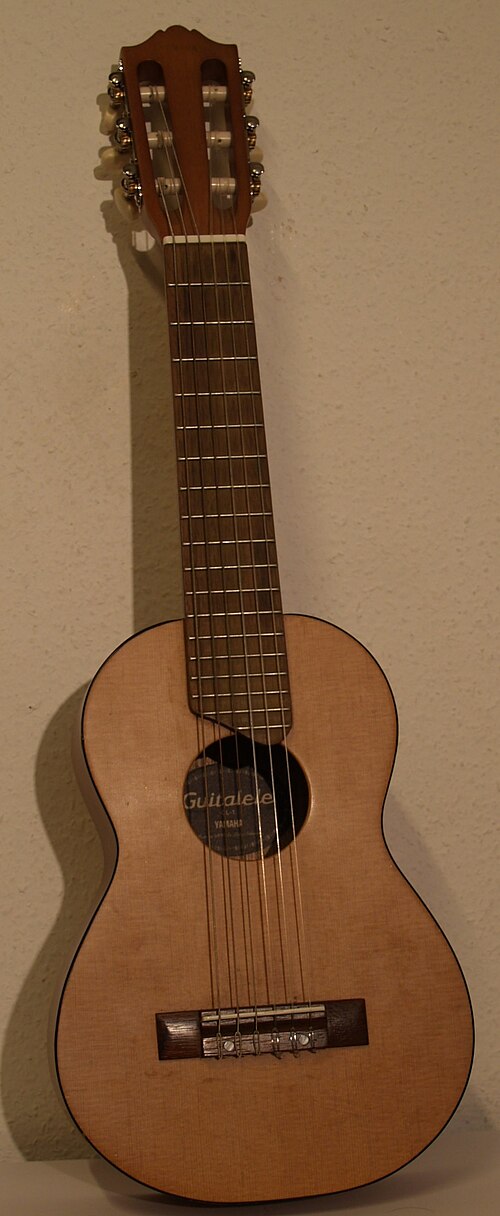
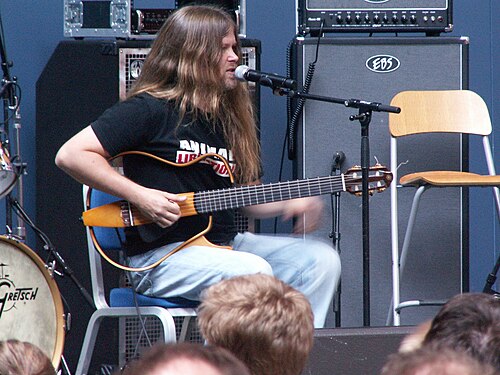

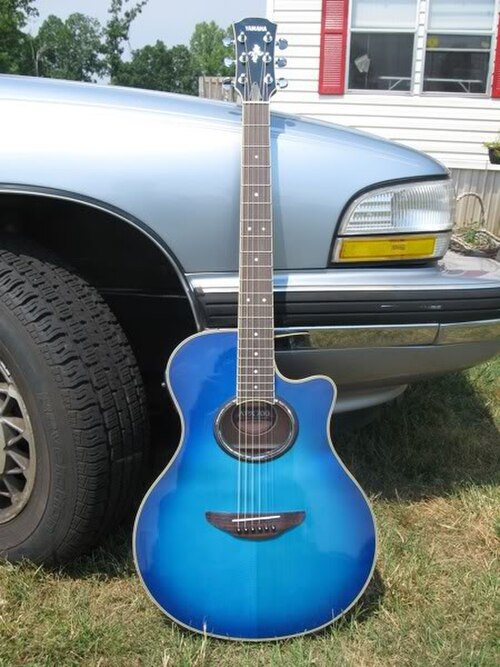

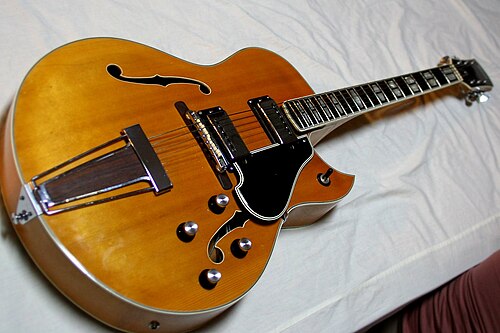


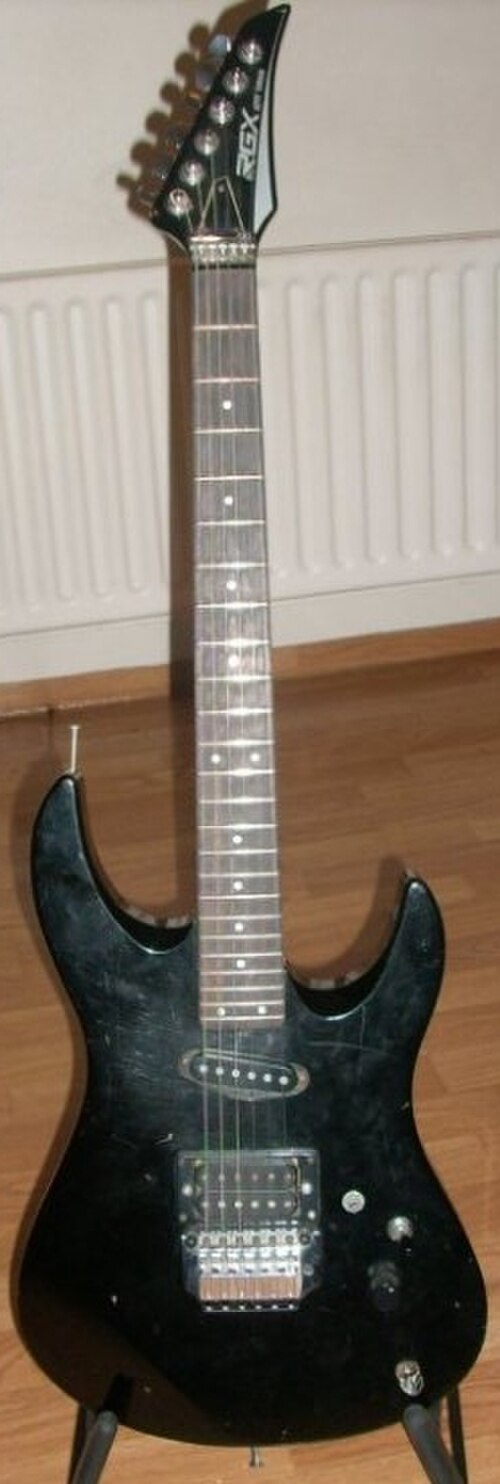
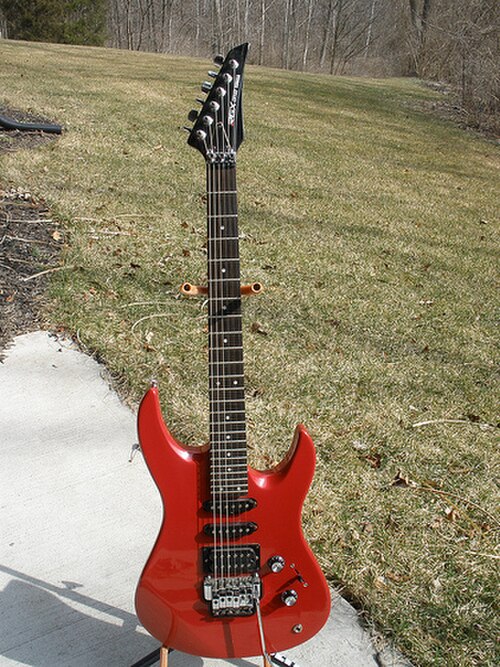


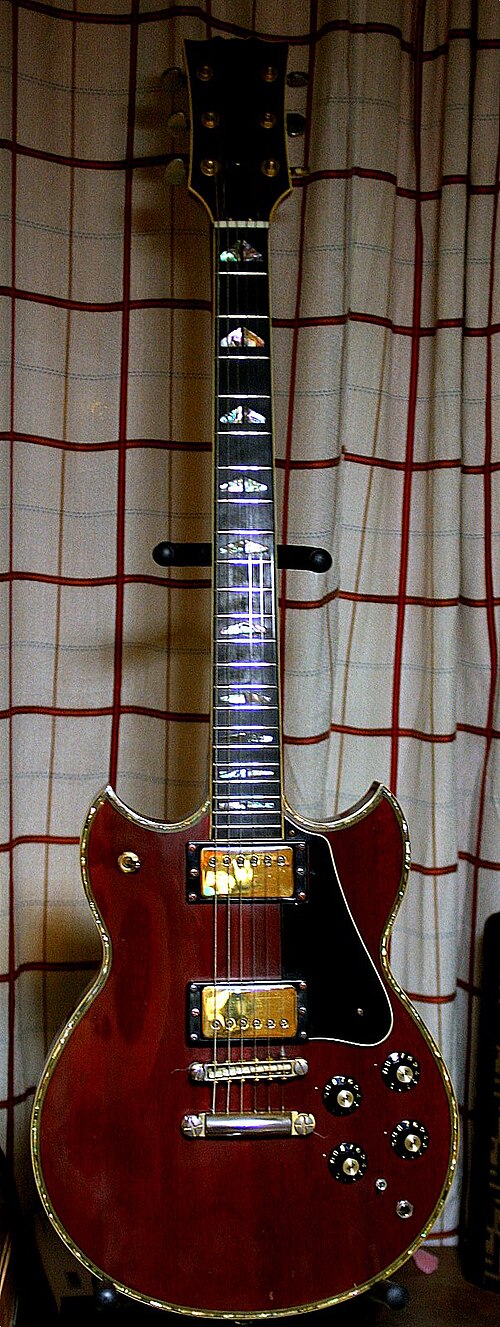
Asymmetrical double cutaway guitar based on earlier SG-2, 5/5A, 7/7A [see above], manufactured in early 2000s


Series I Series II 1982 Series III 1985
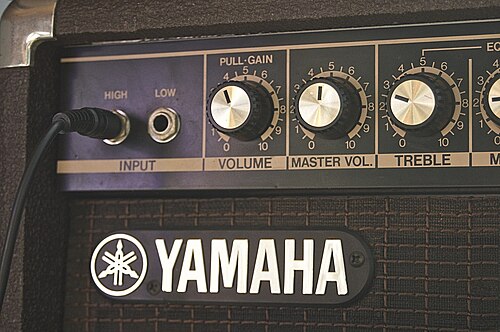

Series I Series II 1982 Series III 1985
All of the Timpani Models (except 9000) are balanced action.



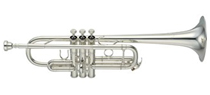
Student Range
Compact Trombones
Valve Trombones
Intermediate Trombones
Professional Trombones
Custom Jazz Trombones
Xeno Trombones
Custom Alto Trombones

Mellophones
Note: Model 204 is mainly an improved revision of the model 203.[75]
in BBb
in CC
in Eb
in F
in BBb

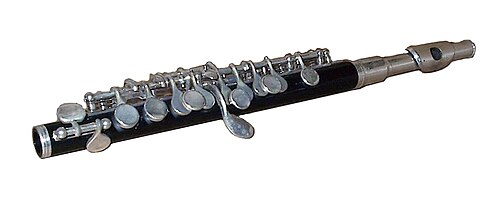
Student and intermediate models are numbered in one system. The first number shows the material/series; the second shows if there is an offset G and/or a split E, and the type of keys; and the third shows if the flute is the latest or not. Currently, latest models will end with the number 2, but older models may end with the number 1, or 5. Different suffixes mean different things - 'H' means the flute has a B footjoint; 'AL' means the instrument is part of Yamaha's 'Allegro' lineup of instruments; 'U' means the instrument has a curved headjoint; 'GL' and 'SL' signal the material of the lip-plate (being gold and silver respectively); 'HD' means that the instrument is a high durability instrument.
Current models:
Discontinued models:
Additionally, for Series 600 - 900 flutes, the last number will be seven if it is the latest model. Older models may have a 4, or other numbers. Additional suffixes include (but are not limited to): 'W' meaning the flute is wooden; 'CT' for a C# trill.
For series 900 flutes, the suffixes A, B, and C show how much of the flute is gold.


Between 1950 and 1998, the Yamaha Corporation produced a form of outdoor warning siren which was designed to play music, rather than alert the public of danger. Using several mechanical sirens tuned to a specific octave, the siren would use either electromagnetic or solenoid-driven sliding dampers which would open to allow air to enter each siren to play a musical note, or close to silence each siren. The musical sirens could be played directly with a keyboard located in a control station, or played automatically through a music box-like mechanism. There were two distinct generations produced, with the first being a 5-meter long siren with 10 siren units on a common driveshaft, and the second being a vertical unit inside of a box, which contained the siren units and had two shafts connected through belts to make it more compact. These could be controlled through a MIDI controller, instead of the music box system. These were created by the president of Yamaha at the time to harness the sheer sound output of a siren to play music, and to ease the fears and memory of war and air raids for the public. These sirens became "symbols of peace" and were widely installed on department stores and city halls. Production ended on these sirens in 1998, with Yamaha ceasing support for them in 2011. Most of these musical sirens have been decommissioned as parts became scarce or unavailable, although some units remain in service today.[76]








特許第一〇八六六四号, 同 第一一〇〇六八号, 同 第一一一二一六号
{{cite book}}: |work= ignored (help)4.1 特許第 108664 号(1934 年 3 月 15 日出願 ... 当該明細書には「特許請求の範囲」として次の三点が列記されている。/ 1. 「適当なる機械的振動体例えば発音「リード」と「マイクロフォン」とを原音の演奏室への漏洩を阻止すべく構成せる音響的絶縁密閉室内に配置」 / 2. 「『ペダル』又は鍵盤に加うる圧力に依る音量制御及び前期『リード』群の制御を全て演奏室に設置せる『コンソール』により行う」 / 3. 「『マイクロフォン』電流の増幅回路の一部に適当の周波数変換機を接続して原動電流及之と適当倍率関係に変換せる振動電流に依る楽音を前記密閉室外に於て同時に発音」See also bellow patents: JP108664C, JP110068C, and JP111216C.
機構1 特許第 108664 号(1934 年 3 月 15 日出願): リードの振動をマイクロフォンにより集音し、その信号を周波数逓倍器に入力することで、5倍音と7倍音を除く、9倍音までの部分音(倍音)を生成する。 / 機構2 特許第 110068 号(1934 年 5 月 9 日出願): 逓倍回路は用いず、1. 音色が異なる複数の発音体 2. 特性が異なる複数のマイクロフォン、 3. 特性が異なる複数 のスピーカ を「所定の楽器の音響的特性に近似なる如く」(特許第 110068 号明細書) 組み合わせることで種々の音色を 生成する。
クロダトーンの第一号は昭和34年3月(1959年)、日本基督教団 西千葉教会に納品されました。/ 当時の写真と録音が残っています。[1st CRODATONE (1959)] / 初期のクロダトーンは音源がハーモニカ、アコーディオン、リードオルガン等に使われているものと同じ原理のフリーリードで、本体内に送風機とリードが組み込まれていて常時全てのリードを振動させてその振動から電気信号を取り出していました。そして鍵盤のスイッチで必要な音をon, offする仕組みでした。/ 常に全てのリードが鳴っていますからしっかりと防音しなければならず二重の箱で覆われています。See also: 1st CRODATONE (1959) photo, sound 1, sound 2
Christmas Melodies in Yamaha Electone / The first Electone prototype concept, named Type E-T, developed by Yamaha (Nippon Gakki) in the year 1958. / ...
Brief history of Yamaha Electone
特許第一〇八六六四号, 同 第一一〇〇六八号, 同 第一一一二一六号
{{cite web}}: CS1 maint: numeric names: authors list (link)ダイナミックブレーシングとはヤマハ ダイナミックギターに採用された 伊藤翁介氏が考案したSee also: JA patent application publication 1951-190, Dynamic Bracing on Yamaha Dynamic Guitar No.40Archived 24 July 2015 at the Wayback Machine (jpg), and Performance by inventorArchived 24 July 2015 at the Wayback Machine (mp3).
{{cite journal}}: CS1 maint: deprecated archival service (link)