
Loading article…
インド総督(1833年から1950年まではインド総督兼副王、1858年から1947年まではインド総督、一般にインド総督と略される)は、インド皇帝または皇后としての英国君主の代表であり、1947年のインド独立後はインド君主の代表であった。この役職は1773年にフォート・ウィリアム管区総督の称号で創設された。総督は管区のみを直接管理し、インドにいる他の東インド会社の役人を監督した。1833年にインド亜大陸の英国領土全体に対する完全な権限が与えられ、この役人はインド総督として知られるようになった。
1858年、前年のインド大反乱のため、東インド会社の領土と資産はイギリス王室の直接管理下に置かれ、その結果、インドにおける会社の統治はイギリス領インド帝国に取って代わられた。総督はインドの中央政府を率い、ベンガル、ボンベイ、マドラス、パンジャブ、連合州などを含むイギリス領インドの諸州を統治した。[ 3 ]しかし、インドの大部分はイギリス領インド帝国によって直接統治されておらず、イギリス領インドの諸州の外には、名目上独立した数百の藩王国または「土着国家」が存在し、それらの関係はイギリス領インド政府やイギリスではなく、ムガル皇帝の後継者であるイギリス国王に直接臣従の誓いを立てていた。 1858年以降、藩王国との忠誠関係に対応する君主の代理人としての総督の新たな役割を反映するため、副王の称号が新たに与えられ、その新しい役職は「インド総督兼副王」と呼ばれるようになった。これは通常「インド総督」と略され、インド亜大陸の大部分における政府の長であった。
The title of viceroy was abandoned when British India was partitioned into the two independent dominions of India and Pakistan, but the office of governor-general continued to exist in each country separately until they adopted republican constitutions in 1950 and 1956, respectively.
Until 1858, the governor-general was selected by the Court of Directors of the East India Company, to whom he was responsible. Thereafter, he was appointed by the sovereign on the advice of the British Government; the Secretary of State for India, a member of the British Cabinet, was responsible for instructing him on the exercise of their powers. After 1947, the sovereign continued to appoint the governor-general but thereafter did so on the advice of the government of the newly independent Dominion of India.
The governor-general served at the pleasure of the sovereign, though the practice was to have them serve five-year terms. A governor-general could have their commission rescinded; and if one was removed, or left, a provisional governor-general was sometimes appointed until a new holder of the office could be chosen. The first governor-general in India (of Bengal) was Warren Hastings, the first official governor-general of British India was Lord William Bentinck, and the first governor-general of the Dominion of India was Lord Mountbatten.
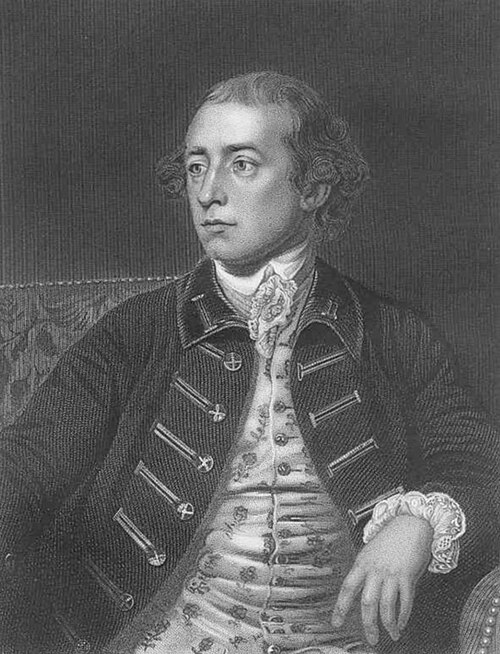
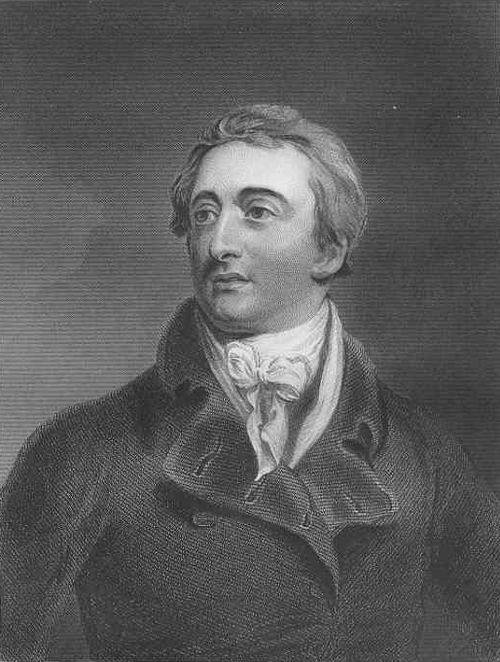
Many parts of the Indian subcontinent were governed by the British East India Company (founded in 1600), which nominally acted as the agent of the Mughal emperor. Early British administrators were presidents or governors of the Bengal Presidency. In 1773, motivated by corruption in the Company, the British government assumed partial control over the governance of India with the passage of the Regulating Act 1773. A governor-general and Supreme Council of Bengal were appointed to rule over the Presidency of Fort William in Bengal. The first governor-general and Council were named in the Act.
The Charter Act 1833 replaced the governor-general and Council of Fort William with the governor-general and Council of India. The power to elect the governor-general was retained by the Court of Directors, but the choice became subject to the sovereign's approval via the India Board.
1857年のインド大反乱後、イギリス東インド会社のインド領土は君主の直接統治下に置かれた。1858年のインド統治法により、総督の任命権は君主に与えられた。総督は、君主の承認を条件として、インド全土の副総督を任命する権限を有していた。
インドとパキスタンは1947年に独立を果たしたが、共和制憲法が制定されるまでは、両国とも総督が任命され続けた。ビルマ伯爵ルイス・マウントバッテン(初代マウントバッテン)は独立後10ヶ月間インド総督を務めたが、それ以外は両国とも現地出身の総督が統治した。インドは1950年に世俗共和国となり、パキスタンは1956年にイスラム共和国となった。
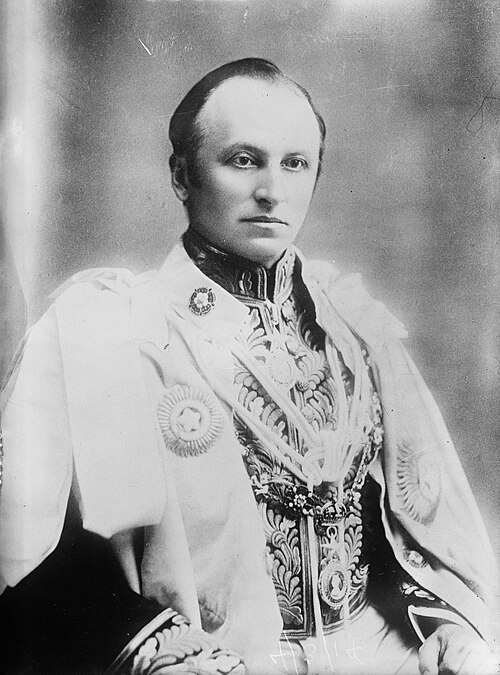

総督は当初、ベンガル地方のフォート・ウィリアム管区のみを管轄していた。しかし、統制法により、総督は外交および国防に関する追加的な権限を与えられた。東インド会社の他の管区(マドラス、ボンベイ、ベンクーレン)は、フォート・ウィリアム総督および評議会の事前承認を得ずに、インドの君主に対して宣戦布告したり、和平を結んだりすることは許されなかった。
1784年のインド法により、総督の外交に関する権限は強化された。同法では、東インド会社の他の総督は、総督または会社の取締役会から明確な指示がない限り、インドの君主に対して宣戦布告、和平、条約締結を行うことはできないと規定された。
こうして総督はインドにおける外交政策の統括者となったものの、イギリス領インドの正式な元首ではなかった。その地位は1833年の勅許法によって初めて与えられ、同法は総督にイギリス領インド全土の「民政および軍事政府全体の監督、指揮、統制」を付与した。また、同法は総督と評議会に立法権も与えた。
1835年、ウィリアム・ベンティンク卿が初代インド総督に就任した。[ 4 ]
After 1858, the governor-general (now usually known as the viceroy) functioned as the chief administrator of India and as the sovereign's representative. India was divided into numerous provinces, each under the head of a governor, lieutenant governor or chief commissioner or administrator. Governors were appointed by the British government, to whom they were directly responsible; lieutenant governors, chief commissioners, and administrators, however, were appointed by and were subordinate to the viceroy. The viceroy also oversaw the most powerful princely rulers: the Nizam of Hyderabad, the Maharaja of Mysore, the Maharaja (Scindia) of Gwalior, the Maharaja of Jammu and Kashmir and the Gaekwad (Gaekwar) Maharaja of Baroda. The remaining princely rulers were overseen either by the Rajputana Agency and Central India Agency, which were headed by representatives of the viceroy or by provincial authorities.
The Chamber of Princes was an institution established in 1920 by a royal proclamation of King-Emperor George V to provide a forum in which the princely rulers could voice their needs and aspirations to the government. The chamber usually met only once a year, with the viceroy presiding, but it appointed a standing committee, which met more often.
Upon independence in August 1947, the title of viceroy was abolished. The representative of India's sovereign, King George VI, became known once again as the governor-general. In 1948, C. Rajagopalachari became the only Indian governor-general. The governor-general's role was almost entirely ceremonial, with power being exercised on a day-to-day basis by the Indian cabinet. After the nation became a republic in 1950, the president of India continued to perform the same functions.

The governor-general was always advised by a Council on the exercise of his legislative and executive powers. The governor-general, while exercising many functions, was referred to as the "Governor-General in Council."
The Regulating Act 1773 provided for the election of four counsellors by the East India Company's Court of Directors. The governor-general was to be assisted by an executive council of four members and was given a casting vote but no veto. The decision of the council was binding on the governor-general.
1784年、評議会は3名に縮小されたが、総督は引き続き通常投票権と決定票権の両方を保持した。1786年には、評議会の決定が法的拘束力を失ったことで、総督の権限はさらに強化された。
1833年勅許法は、評議会の構造にさらなる変更を加えた。この法律は、総督の行政責任と立法責任を区別した最初の法律であった。同法の規定によれば、評議会は取締役会によって任命される4人の委員で構成されることになっていた。最初の3人の委員はあらゆる機会に参加することが許されたが、4人目の委員は法案審議時のみ着席して投票することが許された。
1858年、取締役会は評議会メンバーを任命する権限を失った。代わりに、立法問題のみに投票権を持つメンバー1名は君主によって任命され、他の3名はインド担当国務長官によって任命されるようになった。
1861年のインド評議会法により、評議会の構成にいくつかの変更が加えられた。当初は、3名がインド担当国務長官によって、2名が君主によって任命されることになっていた。1869年には、5名全員を任命する権限が国王に移管された。総督は、さらに「6名から12名」の委員を任命する権限を与えられた(1892年に「10名から16名」、1909年に「60名」に変更)。君主またはインド担当国務長官によって任命された5名は行政部門の長を務め、総督によって任命された委員は法案について議論し、投票を行った。
1919年、インド議会は、国務評議会と立法議会から構成され、総督評議会の立法機能を引き継いだ。しかし、総督は依然として立法に関して大きな権限を保持していた。総督は、「宗教、政治、防衛」目的、および「緊急事態」時のあらゆる目的のために、議会の同意なしに支出を承認することができた。総督は、いかなる法案に対しても拒否権を行使したり、審議を中止したりすることもできた。総督が法案の可決を勧告したが、一方の議院のみが協力した場合、総督は他方の議院の反対を押し切って法案が可決されたと宣言することができた。議会は外交と防衛に関して権限を持たなかった。国務評議会の議長は総督によって任命され、立法議会の議長は議会によって選出されたが、その選出には総督の承認が必要であった。
Until 1833, the title of the position was "governor-general of the Presidency of Fort William in Bengal". The Government of India Act 1833 converted the title into "governor-general of India", effective from 22 April 1834.[5] The title "viceroy and governor-general" was first used in the queen's proclamation appointing Viscount Canning in 1858.[6] It was never conferred by an act of parliament but was used in warrants of precedence and in the statutes of knightly orders. In usage, "viceroy" is employed where the governor-general's position as the monarch's representative is in view.[7] The viceregal title was not used when the sovereign was present in India. It was meant to indicate new responsibilities, especially ritualistic ones, but it conferred no new statutory authority. The governor-general regularly used the title in communications with the Imperial Legislative Council, but all legislation was made only in the name of the Governor-General-in-Council (or the Government of India).[8]
The governor-general was styled Excellency and enjoyed precedence over all other government officials in India. He was referred to as 'His Excellency' and addressed as 'Your Excellency'. From 1858 to 1947, the governor-general was known as the viceroy of India (from the French roi, meaning 'king'), and wives of Viceroys were known as Vicereines (from the French reine, meaning 'queen'). The Vicereine was referred to as 'Her Excellency' and was also addressed as 'Your Excellency'. Neither title was employed while the Sovereign was in India. However, the only British sovereign to visit India during the period of British rule was George V, who attended the Delhi Durbar in 1911 with his wife, Mary.
When the Order of the Star of India was founded in 1861, the viceroy was made its grand master ex officio. The viceroy was also made the ex officio grand master of the Order of the Indian Empire upon its foundation in 1877.
総督や副王のほとんどは貴族であった。すでに貴族である副王には、より高位の爵位が与えられることも多く、例えば、リーディング卿には侯爵位が、フリーマン・フリーマン=トーマスには伯爵位、後に侯爵位が与えられた。貴族ではない副王の中では、ジョン・ショア卿は準男爵であり、ウィリアム・ベンティンク卿は公爵の息子であったため、「卿」という敬称を与えられた。初代総督ウォーレン・ヘイスティングスと最後の総督チャクラヴァルティ・ラジャゴパラチャリ、そして一部の臨時総督だけが、全く敬称を持たなかった。
1885年頃から、インド総督は中央に王冠を戴いた「インドの星」を配したユニオンジャック旗を掲揚することが認められた。この旗は総督個人の旗ではなく、インドに駐在する総督、副総督、首席弁務官、その他のイギリス人官僚も使用していた。海上では、総督のみがメインマストにこの旗を掲揚し、他の官僚はフォアマストに掲揚した。
1947年から1950年まで、インド総督は濃紺の旗に王室の紋章(王冠の上に立つライオン)をあしらい、その下に金色の大文字で「India」と記した旗を使用していた。このデザインは現在でも多くの英連邦諸国の総督によって使用されている。この旗は総督個人の旗であった。


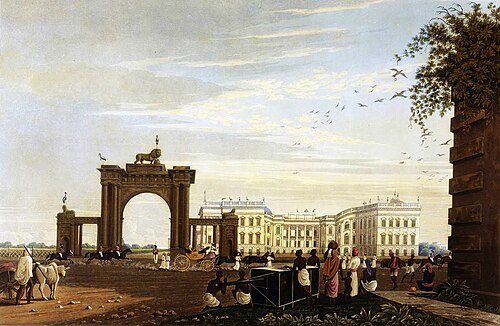
フォート・ウィリアムの総督は、19世紀初頭に総督官邸が建設されるまで、カルカッタのベルヴェデーレ・ハウスに居住していた。1854年には、ベンガル副総督がそこに居を構えた。現在、ベルヴェデーレ・エステートにはインド国立図書館が入居している。
Lord Wellesley, who is reputed to have said that 'India should be governed from a palace, not from a country house', constructed a grand mansion, known as Government House in Calcutta, between 1799 and 1803. The mansion remained in use until the capital moved from Calcutta to Delhi in 1912. Thereafter, the lieutenant governor of Bengal, who had hitherto resided in Belvedere House, was upgraded to a full governor and transferred to Government House. Now, it serves as the residence of the governor of the Indian state of West Bengal, and is referred to by its Bengali name Raj Bhavan.
After the capital moved from Calcutta to Delhi, the viceroy occupied the newly built Viceroy's House, designed by Sir Edwin Lutyens. Though construction began in 1912, it did not conclude until 1929; the palace was not formally inaugurated until 1931. The final cost exceeded £877,000 (over £35 million in modern terms)—more than twice the figure originally allocated. Today the residence, now known by the Hindi name of 'Rashtrapati Bhavan', is used by the president of India.
Throughout the British administration, governors-general retreated to the Viceregal Lodge(now Rashtrapati Niwas) at Shimla each summer to escape the heat, and the government of India moved with them. The Viceregal Lodge now houses the Indian Institute of Advanced Study. The Peterhoff building in Shimla was also used by several viceroys, although the original building was destroyed by fire in 1981.
From 15 August 1947 to 26 January 1950, the flag of the Governor-General of India was dark blue with the Lion and Crown crest in the center and INDIA in golden letters below