
Loading article…
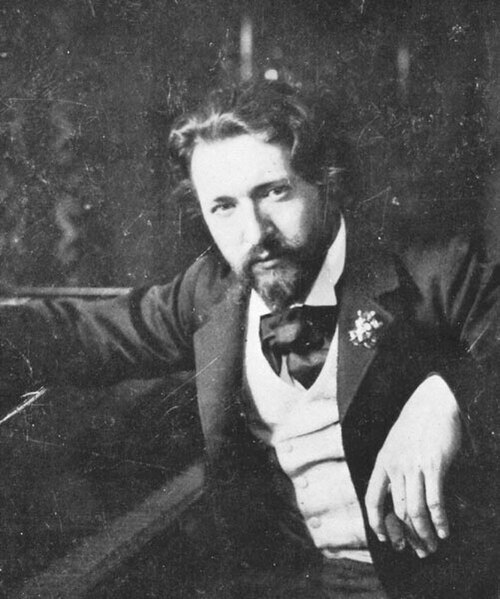
この記事は、フェルッチョ・ブゾーニのオリジナル作品の完全なカタログを紹介します。これには、ほとんどが未発表の多数の初期作品が含まれます。保存されている最も古い作品は、彼がわずか 7 歳のときに書かれたものです。合計 303 曲のオリジナル作品のうち 200 曲以上は、20 歳になる前に作曲されました。
録音作品のより厳選されたリストについては、フェルッチョ・ブゾーニのディスコグラフィーを参照してください。
ブゾーニは、カデンツァ、編曲、版も数多く制作しました。完全なリストについては、フェルッチョ・ブゾーニによる編曲のリストを参照してください。
序文
作品番号
ブゾーニの作品番号は紛らわしい。当初は作曲時に作品番号を振っていた。作品番号40に達すると、未発表の若い頃の作品に新しい作品番号を振り始めた。後に作品番号30からやり直し、作品番号30から36まで「a」をつけた。作品番号41からは番号付けはかなり規則的になったが、実際の作曲日とはほとんど関係がなく、多くの作品番号なしで出版された。[1]未発表の作品の中には、2つの作品番号が付けられているものもある。[2]紛らわしいため、ロベルジュは作品番号の使用を推奨せず、作品リストから削除した。[3]しかし、作品番号は手稿に書かれ、出版された楽譜に含まれ、多くの録音で作品を識別するために使用され、デント(1933年)、キンダーマン(1980年)、ボーモント(1985年)、シツキー(2008年)の標準的な参考書にも含まれているため、識別の補助としてここに記載する。ただし、特定の作品番号が複数の項目を参照する場合があり、作曲または出版の日付についてはほとんど何も示さないことにユーザーは注意する必要があります。
カタログ番号
ブゾーニのオリジナル作品を識別するために、 BV (Busoni-Verzeichnis [ブゾーニ目録])の文字に続く番号が使用されています。[4] [5] [6] BV番号は、ユルゲン・キンダーマンが作成したブゾーニの未発表作品と発表済み作品の最初の包括的な目録に基づいています。KiVの文字も時々使用され、[7]略語Kind- [8] およびKも使用されます。[9]キンダーマン自身は目録を参照するために使用する文字を指定していませんが、略語BVの使用には同意しています。[10]目録は厳密に年代順ではなく、発表された作品を作曲日ではなく出版日で組み込むことが多いです。[11]カタログ番号の前にBV Bという文字が付いている場合(例えば、バッハの10のコラール前奏曲、BV B 27)、それはカデンツァ、編曲、または翻案を指します(フェルッチョ・ブゾーニによる翻案の一覧を参照)。
オリジナル作品のカタログ
- 注: このリストはまだ完成していません。「詳細」列には追加の作業が必要です。
BVカタログ番号はロベルジュによる。[4]タイトルと作品番号は、特に断りのない限り、ボーモント[2]のとおり。タイトルは、楽器編成と「弦楽四重奏」などの一般的な用語を除いて、原語のままである。たとえば、ボーモントは「Berceuse pour le piano」を「Berceuse, for piano」と部分的に翻訳している。ロベルジュが提供した追加のタイトル情報、たとえば原題にはない調号は、括弧内に追加されることがある。テキストのある作品の場合、通常は最初の行が示され、その後に括弧内に詩人の名前が続く。翻訳が提供されている場合は、括弧内に示す。作曲日と期間は、特に断りのない限り、ボーモントによる。献辞はロベルジュによる。[4]
ブゾーニ・アーカイブ:ブゾーニの未発表の初期の原稿のほとんどと後期の作品の原稿は、ブゾーニ・アーカイブに保存されている。このコレクションは366点のカタログ化されたアイテムで構成されており、その多くは第二次世界大戦中に失われ、戦後は西ベルリンの旧プロイセン文化財団音楽隊と東ベルリンのドイツ国立図書館音楽隊に分割された。キンダーマンは、カタログを出版した年(1980年)まで入手可能だった原稿について、各作品の所在と原稿番号をリストアップしている。失われたアイテムのいくつかは後に再び見つかり、そのほとんどは現在クラクフのヤギェウォ大学にある。 [12]ベルリンの壁崩壊後、2つの図書館はベルリン国立図書館として再統合された。シツキー (pp. 363–383) には、失われた写本 (番号、場所、タイトル、および/または短い説明付き) をリストした付録があり、今後見つかる可能性のある写本や、ブゾーニ アーカイブに含まれず番号が付けられていないか、別のシステムで番号が付けられている写本も含まれています。シツキーによって提供されたブゾーニ アーカイブの写本番号には、文字「SB」が先頭に付けられており、この手順はここでも採用されています。
略語: acc.、準拠; arr.、編曲; SB、ベルリン国立図書館; B&H、ライプツィヒのブライトコップ・アンド・ハーテル(特に断りのない限り); cat.、カタログ; ded.、捧げもの; dur.、演奏時間; frag、断片; fp、初演; (score)、国際音楽スコア・ライブラリー・プロジェクトのスコアへのリンク; instr.、楽器編成; MS、原稿; pub.、出版済み; rev.、改訂済み; unpub.、未出版。
BV1から100
- 次のページへ移動: BV 101 | BV 201 | 付録
BV 101から200
- 次へ: BV 1 | BV 201 | 付録
BV201から303
- 次へ: BV 1 | BV 101 | 付録
- 注: このセクションはまだ完了していません。「詳細」列には追加の作業が必要です。
付録
- 次へ: BV 1 | BV 101 | BV 201
このセクションでは、キンダーマン カタログで番号が割り当てられていない追加のオリジナル作品をリストします。これらは、ロベルジュ (pp. 45–46) に示されている順序でリストされ、1 つの追加項目 (番号 9) があります。
カタログの詳細
このセクションには、選択したカタログ項目の詳細情報が含まれています。
^ BV 42: 弦楽四重奏曲第 1 番2 (ヘ短調)
構成: 4 楽章
1) アレグロ・アジタート
2) アンダンテ・ソステヌート
3) スケルツォ - トリオ
4) アレグロ・ヴィヴァーチェ
MS: SB 53 (スコア 4 ページ)
タイトル: 2° Quartetto composto da Ferruccio Benvenuto Busoni
Ded: Al mio amatissimoパドレ(フェルディナンド・ブゾーニ)。
日付: Scritto il 1876 年 4 月 28 日 (第 1 楽章の終わり)。
出版物:未出版
参考文献: Kindermann、43-44 ページ。ロベルジュ、p. 11;ボーモント、p. 357.
^ BV 45: Il Dolore: Romanza senza parole [悲しみ: 言葉のないロマンス] (イ短調)、ピアノのための
テンポ:アンダンテ
MS: SB 40 (6 ページのスコア)
Ded: Alla Memoria dell' Illustrissimo Signor Barone Hermann de Todesco。
日付: Composta il 21 Giugno 1876 all'età di anni 10 in Gmunden。
MS: SB N. Mus. MS。 120 (SB40 のコピー)
タイトル: Der Schmerz。フェルッチオ・ベンヴェヌート・ブゾーニの曲を歌ってください。
Ded:ツア・エリナールン・アン・デン・ヘルン・ヘルマン・フォン・トデスコ男爵。
日付: Scritta il 21 Giugno 1876 all'età di anni 10.
参考文献: Kindermann、45-46 ページ。ロベルジュ、p. 11;ボーモント、p. 357;シツキー、13、364、380ページ。
^ BV 48: ガヴォッティーナ (ヘ長調) 作品3第3番、ピアノ用
MS: SB 55 (2ページ)、SB56「ガヴォッタ」はSB55と同一。
日付: 1876年11月11日、ウィーンで10歳の誕生日に作曲。
注記:この曲はおそらくBV 71 (Beaumont) 用に作成されたもの。
参照: Kindermann、p. 47、Beaumont、p. 358、Sitsky、p. 364。
^ BV 51 序曲(ホ長調)、(大)管弦楽のための(未完成)
テンポ:モデラート~アレグロ
MS: SB 58(題名ページ、25ページの楽譜)(断片)
タイトル: Ouverture per Grande Orchestra composta da Ferr. Weiß-Busoni
作曲日: 1876年にウィーンで作曲。
編成:フルート2、オーボエ2、クラリネット2、ファゴット2、ホルン2、トランペット2、トロンボーン2、バストロンボーン、ティンパニ、チューブラーベル、ハープ、
弦楽器 出版:未出版
編曲:ピアノ連弾、BV 128を参照
出典: Kindermann、pp. 48-49、Roberge、p. 12、Beaumont、p. 357。
^ BV 57: ソナタ (第4番 ヘ短調)? (未完成)
代替タイトル:
1) Zwei Kompositionen in d-Moll und f-Moll für Pianoforte (キンダーマン)
2) ピアノのための 2 つの小品 ニ短調とヘ短調 (断片) (ロベルジュ)
3) 2 つの小品 Op. 6、ピアノのための(ボーモント)
4) ソナタ断片 Op. 6 (シツキー)
MS: SB 78
内容:
1) タイトルページ: 「作品6」
2) ニ短調の小品 (3ページ、断片)
3) ヘ短調の小品 (5ページ、断片)
注:
1) 最後の(3) のページには「ソナタ 4ª」と書かれています。
2) (3) の最初のページには、次の項目が記載されています。
Iª ソナタ Do magg: [おそらく BV 58]
IIª ソナタ Re magg: [おそらく BV 61]
IIIª ソナタ Mi magg: [
IVª ソナタ ファ・ミン: [おそらくこの作品、BV 57]
Vª
ソナタ [to] IXª ソナタ [すべて調の指示なし]
このリストはおそらく、完成しなかったソナタ集を指していると思われる。(キンダーマン、シツキー)
参照:キンダーマン、pp.51-52; Sitsky、23-24ページ; Roberge、12ページ; Beaumont、358ページ。
^ BV 58: ソナタ第1番 ハ長調 Op. 7、ピアノ
MS 用: ' SB 64 (タイトルページ、1 つの空白ページ、1 番: 3 ページ、2 つの空白ページ、2 番から 4 番: 6 ページ、2 つの空白ページ)
構成:
1) アレグロ コン ブリオ
2)アンダンテ・モッソ
3) (メヌエット) - トリオ
4) (テンポ記号なし; 2/4)
タイトル:ド・マッグのソナタ第 1 番: Op. 7 Composta da Ferruccio Benvenuto Busoni
日付: il 20 Maggio 1877 all' età di anni undici e 2 mesi in Tempo sua malattia
注:このソナタはおそらく少なくとも 9 つのソナタのセットの一部として意図されていましたが、完成することはありませんでした (BV 57 を参照) )。
参照: キンダーマン、52-53 ページ。 Sitsky、23-24ページ; Roberge、12ページ; Beaumont、358ページ。
^ BV 61: ソナタ第2番 ニ長調 Op. 8、ピアノ用
MS: SB 67 (タイトルページ、スコア 21 ページ、空白ページ 1 枚)
構成:
1) Allegro con fuoco
2) Andante con Variazione: Andante con moto quasi Andantino
3) Andante - Allegro Vivace
タイトル:ソナタ第 2 番Re Magg: ピアノフォルテのためのコンポスタ。 Op. 8 da Ferruccio Benvenuto Busoni
日付: il 5 Luglio 1877 in Gmunden all' età di anni 11.
注:
1) このソナタは、おそらく少なくとも 9 つのソナタのセットの一部として意図されていましたが、完成することはありませんでした (BV 57 を参照)。
2) BV 62 はもともとこのソナタの一部として意図されていた可能性があります (Beaumont)。
参照: キンダーマン、54-55 ページ。 Sitsky、23-24ページ; Roberge、12ページ; Beaumont、358ページ。
^ BV 62: スケルツォ (嬰ヘ短調)、ピアノのための
テンポ:プレスト
MS: G. リコルディ、ミラノ
タイトル:スケルツォ、トラット ダッラ ソナタ Op. Mi magg で 8 位: composto da Ferruccio Benv.ブゾーニ
[ソナタよりスケルツォ Op. 8 ホ長調、フェルッチョ・ベンヴェヌート・ブゾーニ作曲]
Ded: All'Illustre Critico Sigr.フィリッポ・フィリッピ博士。
日付: Gmunden、(Ausstr. Sup.) Luglio 1877
Pub: F. Lucca、ミラノ、1882、プレート。いいえ。 Z 35468 Z、(5 ページ)
タイトル:ピアノフォルテ トラット ダッラ ソナタのスケルツォ Op. 8 in Mi Maggiore
Ded: All'Illustre Critico Cavaliere Filippo Dott r .フィリッピ。
注:
1) スケルツォ楽章は、おそらく元々はソナタ第3番ホ長調作品9、BV65(シツキー)、またはソナタ第2番ニ長調作品8、BV61(ボーモント)のために作曲されたと思われる
。2)ブゾーニの手書きの作品目録(1881年頃)によると、この曲は1877年7月5日に作曲された。3
) 出版は1882年9月16日にトリエステのL'Arte誌
で発表された。
参照:Kindermann、pp. 55-56; Sitsky、p. 41; ボーモント、358ページ。
^ BV 64: ピアノのためのプレリュード(ホ短調)
テンポ:アンダンテ・ソステヌート
MS: SB 68 (1ページ)
題名:プレリュード
日付: グムンデン、 1877年9月4日(作曲の終わり)。
歌詞: "Du bist wie eine Blume" (ハインリヒ・ハイネ) ["あなたは花のようだ"]
注:ハイネの歌詞は題名ではなくピアノパートに現れる。
参照: Kindermann、p. 57; Roberge、p. 13; Beaumont、p. 358; Sitsky、p. 365。
^ BV 65: ピアノソナタ第3番ホ長調作品9 (未完成)
MS: SB 69
タイトル:ソナタ第3番ミ・マグジョーレ:作品9
構成:
1) (テンポ記号なし、ホ長調、4/4、8ページ)
2) 1つのタイトルページ: Sonata Nº 3 Mi maggiore
3) フィナーレ (ホ長調、6/8、スケッチ、6ページ)
日付: Composta il 14 September 1877 (作曲終了時)。
注:
1) BV 62 は、おそらく元々このソナタの一部となる予定だった (シツキー)。
2) このソナタは、おそらく少なくとも9つのソナタのセットの一部となる予定だったが、完成しなかった (BV 57 を参照)。
参照: Kindermann、pp. 57-58; Roberge、p. 13; Beaumont、p. 358;シツキー、41、365ページ。
^ BV 67: 「アヴェ・マリア」(アンティフォン)作品1、声楽とピアノのための
原稿:不明
作曲: 1977年10月1日(組版注1)
出版:ウィーン: CA Spina、ハンブルク: August Cranz, nd [1878 (Dent)]、版画番号 C.24586、(5ページ)
題名: Ave Maria per Canto accompagnamento dir Pianoforte、作品1
作曲: Omaggio al celebre Tenore Cav. Angelo Masini
注: 1) この作品の作曲日は、原稿
SB
360 (BV 50) の最初のページに記載されています: 「Ave Maria 1/10/77」
2) ブゾーニの手書きの作品目録(1881年頃)によると、この作品は1877年にグムンデン で作曲されました。
参照: Kindermann、pp. 58-59; Dent、p. 345; ロベルジュ、13ページ; ボーモント、358ページ。
^ BV 71: Cinq Pièces [5つの小品] 作品3、ピアノのための
構成:
1) 前奏曲: アンダンテ
2) メヌエット - 三重奏
3) ガヴォッタ - 三重奏
4) 練習曲: アレグレット・コン・モト
5) ジーグ: アレグロ
作曲: 1877年
原稿:不明
出版:ライプツィヒ: August Cranz, nd [1877 (Dent)]、プレート番号 C.24541 から C.24545、(3、5、5、5、および 7 ページ)
初演:ウィーンおよびバーデン、1878年; フェルッチョ・ブゾーニ (ピアノ)
注記:
1) ブゾーニの手書きの作品目録 (1881年頃) によると、この曲は1877年にウィーンで作曲されました。
2) これはブゾーニの最初の出版された作品です。
参照: Dent、p. 340。キンダーマン、61-63ページ。ロベルジュ、p. 13;ボーモント、p. 358;シツキー、40-41ページ。
^ BV 72: アンダンテ コン モト (ホ短調) 作品10、クラリネットとピアノ用
別名:
1) Komposition in e-Moll für Klarinette und Pianoforte (Kindermann)
2) Suite in E minor for Clarinet and Piano (Roberge)
3) Suite Op. 10、クラリネットとピアノ用 (Beaumont)
構成:アンダンテ コン モト (ホ短調) (4/4、80 小節) (1 楽章のみ)
MS: SB 79
ページ目録:
フルスコア:タイトル ページ、スコア 3 ページ (クラリネット (C 管、ピアノ)、白紙ページ 1 ページ、スコア 2 ページ ハ
長調クラリネット: 1 枚のシート両面
タイトル: Klarinetten-Suite, Op. 10
日付: 1877
出版: ミュンヘン: G. Henle Verlag , 1992; cat. no. HN 467; ゲオルク・メーアヴァイン編
タイトル: Andante con moto
フルスコア: pp. 1-3 (クラリネットはハ長調、ピアノ)
クラリネットパート: p. 1 (変ロ長調); p. 18 (ハ長調)。
注: 40 小節目と 41 小節目の間に、原稿のフルスコアとクラリネットパートには、出版されたスコアには含まれていない 14 小節が追加されています。これらは後に写本フルスコアから削除されました。クラリネットパートは、このセクションを「2 部構成のテクスチャ」で記譜しています。 (メーアヴァイン)
参照: メーアヴァイン、フルスコア: pp. vi-vii (序文)、53 (コメント); キンダーマン、p. 63; ボーモント、p. 359; ロベルジュ、p. 13; シツキー、p. 365。
^ BV 203: 6つの練習曲 Op. 16、ピアノのための
曲目:
エチュード 1. アレグロ デシソ
エチュード 2. アレグロ モデラート
エチュード 3. モデラート
エチュード 4. アレグロ ヴィヴァーチェ エ コン フオコ
エチュード 5. (フーガ) アレグロ ジュスト
エチュード 6. スケルツォ。 Vivacissimo、energico、feroce
Comp: 1883 (B.)
原稿:不明
出版物:
1) ウィーン: Albert J. Gutmann, nd [1883 (D.)]、cat.いいえ。 AJG 614、プレート番号8285、(29 ページ)
2) No. 5 のみ: ウィーン: Albert J. Gutmann、著作権 1884 by G. Schirmer、ニューヨーク、cat.いいえ。 530、(8 ページ)
3) ライプツィヒ: Breitkopf & Härtel、著作権 1886 年、G. Schirmer 著、ニューヨーク、cat.いいえ。 EB 5079、プレート番号28468 (29 ページ)
4) No. 5 のみ: [Leipzig: Breitkopf & Härtel]、著作権 1886 年、G. Schirmer 著、ニューヨーク、プレート番号 28468 (29 ページ) AJG 530、(8 ページ)
5) 再版: ヴィースバーデン-ライプツィヒ-パリ: Breitkopf & Härtel、nd [1950?以降]、猫。いいえ。 5079、プレートNo. 28468、(29 ページ)
6) Nos. 2-4: モスクワ: Muzyka、1969 年、編。グリゴリー・コーガン(右)
献呈: ヨハネス・ブラームス
初演:
1)グラーツ、1883年10月21日(第5番のみ)、フェルッチョ・ブゾーニ(ピアノ)(右)
2) ウィーン、1884年(第6番のうち2番のみ) ; フェルッチョ・ブゾーニ、ピアノ(D.)
参照: Dent、pp. 46、341; Kindermann、pp. 163-165; Sitsky、p. 47; Beaumont、p. 365; Roberge、p. 26。
BV 204:ソナタ f-moll Op. 20 für Klavier [ソナタ ヘ短調 Op. [ 135
] 1) Allegro risoluto vivace ed energico
2
) Andante con moto
3) Nella guesa d'un'improvvisazione - Allegro fugato
原稿: SB 187 (Sonate Op. 20)
献呈: Anton Rubinstein gewidmet
Dated :ウィーン・ナターレ 1883 [ウィーン、クリスマス、1883] (原稿の最後)
初演:ウィーン、ベーゼンドルファー・ザール、1884 年 3 月 6 日。フェルッチョ・ブゾーニ、ピアノ
出版: B&H、1983、Op. 20a、編。ユッタ・テューリッヒ
録音:ヴォルフ・ハーデン、ピアノ(ナクソス 8572077)[135]参照: Dent、p. 341; Kindermann、pp. 165–166; Sitsky、p. 26; Beaumont、p. 365; Roberge、p. 26。
BV 241: [6] 小品 作品33b、ピアノのための
構成:
シリーズ I (マックス・レーガー遺作):
1) 憂鬱、
2) 華やかさ、
3) スケルツォシリーズ
II (イザベラ・スチュワート・ガードナー遺作)
:
4) 古代風幻想曲、アレグロ・リゾルート、
5) フィンランド・バラード、 6
) 全員退場
作曲: 1895 年 (ボーモント)
原稿: ブゾーニ文書館No.223 (スケッチ)
題名:フィンランド・バラード
4 枚、片面のみ記譜、付属
出版:
1) ライプツィヒ: CF Peters、著作権 1896、カタログ番号。 2838、図版8222(nos. 1-3);8223(nos. 4-6)、36ページ
2) ヘルシンキ:Fazer、1957年(no. 6のみ、Roberto Wisの注釈付き)
3) モスクワ:Muzyka、1969年(nos. 1、2、4、5、Grigorii Kogan編集)
4) フランクフルト、ニューヨーク、ロンドン:CF Peters、1982年
参照: Dent、p. 342、Kindermann、pp. 213-216、Beaumont、p. 368、Roberge、p. 31。
^ BV 274: Sonatina in diem nativitatis Christi MCMXVII für Klavier zu zwei Händen
MS:
1) Wiesbaden: Breitkopf & Härtel (1917 年 12 月 22 日付け、作曲の最後)
2) SB 304 (1917 年 12 月 19 日付け、1917 年 12 月 21 日付け) 、最後に)
献呈:「An Benvenuto」(Benvenuto Busoni)
Pub:
1)ライプツィヒ:Breitkopf & Härtel、著作権1918、cat。いいえ。 EB 5071、プレート番号27744、(9 ページ)
2) ライプツィヒ: VEB ブライトコフ & ヘルテル、[1949] (再版)
3) ヴィースバーデン: ブライトコフ & ヘルテル、[1960 年以降] (再版)
4) ミラノ: リコルディ、1986。
初演: トーンハレ、チューリッヒ(?)。 1910年1月24日。フェルッチオ・ブゾーニ、ピアノ。
参照:キンダーマン、331-332 ページ。デント、p. 344;ロベルジュ、p. 39;ボーモント、251、370ページ。シツキー、79、376、381ページ。
クラリネットとピアノのコンピレーション
- フェルッチョ・ブゾーニ:クラリネットとピアノのための初期の個性的な小品
- 出版:ミュンヘン:G. Henle Verlag、1992年、カタログ番号HN 467、編集者:Georg Meerwein、ピアノパートの運指:Klaus Schilde。
- 注:特に記載のない限り、クラリネットは B♭ です (cl = クラリネット、pf = ピアノ)
- 内容:フルスコア (cl & pf); 楽器パート (cl)
- 序文、p. V-VIII(フルスコアのみ、ゲオルク・メーアヴァイン、バンベルク、1991年秋)
- アンダンテ・コン・モト(BV 72)、pp. 1-3(cl in C & pf);p. 2(cl in B-flat)、p. 18(cl in C)
- スイート(BV 88):
- Improvvisata [即興曲]: Allegro、4-6 ページ。 p. 3
- Barcarola: Allegretto、7-9 ページ。 p. 4
- エレジア:アダージョ、10-12ページ。 p. 5
- ダンツァ カンペストレ、13-17 ページ。 pp.6-7
- テーマ ヴァリアト: アンダンテ ソステヌート、18-21 ページ。 pp.7-8
- セレナータ、22-24ページ、9ページ
- 独奏劇: Allegro maestoso (BV 101)、25-30 ページ。 pp.10-11
- アンダンティーノ (BV 107)、31-34 ページ。 pp.12-13
- セレナーデ(BV 108)、pp. 35-40; pp. 14-15
- 中編詩:アレグロ(BV 116)、pp. 41-51; pp. 16-17
- コメント、pp. 53-55 (フルスコアのみ、Georg Meerwein 著)
経歴
- カロリーネ(またはカロリン)ベッテルハイム(1843-1891)、ユリウス・ゴンペルツの妻。ハンガリーの貧しい家庭に生まれ、ピアニストとなり、ウィーンのカール劇場で歌い、1872年からはウィーン宮廷歌劇場でコントラルトとして活躍。結婚後は慈善行事以外では公の場で歌うことをやめた。(デント、21ページ;ボーモント、16ページ)
- フェルッチョ・ブゾーニの母アンナ・ヴァイス=ブゾーニ(1833年1月13日~1909年10月3日)は、よく知られたプロのピアニストでした。フェルッチョがまだ幼いころ、彼女とクラリネット奏者の父フェルディナンドは、一緒に頻繁にツアーをしていました。また、家族がパリに住んでいたころ、彼女は息子が4歳の誕生日を迎える少し前から、ピアノ、バイオリン、おもちゃのフルートのレッスンを始めました。(デント、pp. 5、10、190)
- ベンヴェヌート・ブゾーニ(1892年5月24日 - 1976年)は、フェルッチョ・ブゾーニの二人の息子の長男で、父がニューイングランド音楽院に勤めていた時にボストンで生まれた。成人してからは画家となり、1922年1月28日にチューリッヒ出身の裁縫師ヘンリエッテ・リンデルクネヒトと結婚した。彼が彼女と結婚を選んだのは、彼女が彼の父のことを全く知らなかったからだと言われている。彼はベルリンで亡くなった。(Dent、pp. 98、253; Beaumont、p. 348; Couling、pp. 333、354。)
- フェルディナンド・ブゾーニ(1834年6月24日 - 1909年5月12日)はフェルッチョ・ブゾーニの父で、優れたクラリネット奏者でした。1873年初頭、ツアーから戻ってトリエステの家族と合流すると、フェルディナンドはフェルッチョが7歳の誕生日を迎える直前にピアノの指導を引き受けました。また、作曲のレッスンも行いました。フェルッチョは同年6月に最初の作品であるカンツォーネ作品1(BV 1)を書きました。1873年11月23日、両親とのコンサートでピアニストとして初めて公の場に姿を現しました。(Dent、pp. 2、16-17、189; Kindermann、p. 21。)
- ピアニストであり教師であったルイージ・チモーゾ(1884 年 6 月 15 日または 16 日没) は、フェルッチョ・ブゾーニとその母アンナの親しい友人でした。(Dent、24 ページ、Beaumont、24 ページ)
- ゴンペルツ家: 1875 年、フェルッチョ ブゾーニはウィーン音楽院に入学しました。ウィーン滞在中、彼はウィーンの芸術と知識の中心であったゴンペルツ家の保護を受けました。参照: ユリウス ゴンペルツ、カロリーネ ベッテルハイム、テオドール ゴンペルツ、ゾフィー バロネス トデスコ、ジョゼフィーネ フォン ヴェルトハイムシュタイン。(Dent、p. 21)
- 著名な文学者であったユリウス・ゴンペルツは、カロリーネ・ベッテルハイムと結婚しました。彼はゴンペルツ家の一員で、テオドール・ゴンペルツ、ゾフィー・バロネス・トデスコ、ジョゼフィーネ・フォン・ヴェルトハイムシュタインの兄弟でした。子どものいなかったユリウスとカロリーネは、ある時、フェルッチョ・ブゾーニを養子にすることを提案しましたが、彼の両親は彼を手放すことを望みませんでした。(Dent、p. 21)
- テオドール・ゴンペルツ(1832-1912) は哲学史家であった。ゴンペルツ家の一員で、ユリウス・ゴンペルツ、ゾフィー・バロネス・トデスコ、ジョゼフィーネ・フォン・ヴェルトハイムシュタインの兄弟である。(Dent、21 ページ、Seising、65 ページ)
- エルシーリア・グルソヴィンはフェルッチョ・ブゾーニの従妹であり、母アンナの妹であるミーナ・ヴァイス・グルソヴィンの娘であった。(Dent、8 ページ)
- アンジェロ・マシーニ(1844年 - 1926年)はイタリアのテノール歌手で、ドンゼッティの『ドン・セバスティアーノ』の主役を演じて高く評価された。[136]
- ジーノ・タリアピエトラ(1887-1954)はイタリアのピアニスト、作曲家。ヴェネツィアのベネデット・マルチェッロ音楽院の教授となった。(Beaumont、1987年、80頁以下)
- ヘルマン・デ・トデスコは、ゾフィー・バロネス・トデスコ(旧姓ゴンペルツ)の夫でした。(Dent、21 ページ)
- ゾフィー・バロネス・トデスコ(旧姓ゴンペルツ)(1825-1895)、ヘルマン・ド・トデスコ男爵の妻、ゴンペルツ家の一員、テオドール・ゴンペルツ、ユリウス・ゴンペルツ、ジョゼフィーネ・フォン・ヴェルトハイムシュタインの姉妹。彼女は若きフェルッチョ・ブゾーニの家庭教師(ドイツ語および一般教養)を務め、彼女と妹のジョゼフィーネは長年にわたり彼の費用を惜しみなく寄付した。(Dent、21 ページ、Seising、65 ページ)
- ジョゼフィーネ・フォン・ヴェルトハイムシュタイン(旧姓ゴンペルツ)(1820-1894)、ゴンペルツ家の一員。テオドール・ゴンペルツ、ユリウス・ゴンペルツ、ゾフィー・バロネス・トデスコの姉妹。彼女と妹のゾフィーはフェルッチョ・ブゾーニの経費に寄付した。(Dent、21 ページ、Seising、65 ページ)
注記
- JUアイテムは元々ブゾーニ アーカイブの一部でしたが、第二次世界大戦後に「紛失」したと報告されました (Sitsky、1986)。最近では、クラクフのヤギェウォ大学に所蔵されていることが明らかになりました。 (Sitsky、2008、383 ページ)
- ^ デント(1933)、337ページ。
- ^ ab Beaumont (1985)、355-373ページ。
- ^ ロベルジュ(1991)、p.xix
- ^ abc 「作品一覧」ロベルジュ、pp. 8-63。
- ^ 「Selected List of Compositions」、Couling、357-368 ページ。
- ^ ブゾーニのカタログを識別するために「BV」を使用している Web サイトには、次のものがあります
。1) ブゾーニ国際ピアノコンクール。例は、この Google 検索で見つかります。2009 年 8 月 17 日取得
。2) フェルッチョ ブゾーニ音楽センター。例は、この Google 検索で見つかります。2009 年 8 月 17 日取得。 - ^ KiV文字の使用例については、以下を参照してください
。1) Musical Heritage Society の Web サイト (2009 年 3 月 17 日閲覧)。2 ) Amazon.com の製品ページ (2009 年 3 月 17 日閲覧)。
- ^ クラリネットとピアノを注ぐ ( OCLC 58532296)
- ^ ブゾーニ:クラリネット室内楽 / クレッカー、ゲヌイット、他、www.arkivmusic.com
- ^ 1981年1月20日付けロベルジュ宛の手紙(pp. xix, xxviii)
- ^ ボーモント(1985)、355ページ。
- ^ シツキー、p. 383;ロベルジュ、p. 19.
- ^ abc 弦楽器パート: ヴァイオリン I、ヴァイオリン II、ヴィオラ、チェロ (Roberge、p. 13)
- ^ BV 77:メヌエット(ヘ長調)作品14、ピアノ版
MS: G. Ricordi、ミラノ
出版:
F. Lucca、ミラノ、1882、カタログ番号35469
G. Ricordi、ミラノ、1882、カタログ番号64496
G. Ricordi、ミラノ、1926、(BV 89付き)(ジーノ・タリアピエトラ編)、ER 653 Anthologie alter und neuer Musik für Klavier、第18巻、1934年、ジーノ・タリアピエトラ編、ER 1678 贈: パウラ・フラム 注記: ウィーン滞在中、ブゾーニは同い年の少女、裕福な両親の娘でピアノを学ぶパウラ・フラムと親しくなった。彼女は後に指揮者のヴィルヘルム・ゲリケと結婚する。 (Dent、pp. 29、45) 参照: Sitsky、p. 44; Beaumont、p. 359; Roberge、p. 14。
- ^ ab BV 80:ピアノと弦楽四重奏のための協奏曲 (ニ短調) 作品17
原題: "Concerto per piano-forte con accompagnamento di quartetto ad arco, Op. 17"
4つの楽章から構成:
1) Allegro (演奏時間 5分)
2) Adagio (演奏時間 7分)
3) Scherzo (演奏時間 3分)
4) Allegro (演奏時間 5分)
MS: SB 84
出版: B&H 、ヴィースバーデン、1987年 ( Larry Sitsky編) 楽器: Larry Sitsky は、楽譜にtuttiとdivisi の
指示があることから、当時は一般的な手法であった チェロと弦楽ベースを重ねた小規模な弦楽オーケストラが理想的であると提唱している。参照: Sitsky、pp. 26-28、365;ボーモント、359ページ;ロベルジュ、14ページ。
- ^ abc BV 81:組曲カンペストレ Op. 18、ピアノのための
曲目:
1) カンツォーネ ヴィレレッチャ・デル・マティーノ [田舎の朝の歌] Op. 5;コンプ1878 年 4 月 3 日
2) La Caccia [The Hunt]、Op. 6;コンプ1878 年 4 月 2 日
3) L'Orgia [秘密の儀式]、Op. 7;コンプ1878 年 4 月 4 日
4) イル・リトルノ [帰還] Op. 9;コンプ1878年4月5日
5) Preghiera della Sera [夜の祈り] Op. 10;コンプ1878 年 4 月 1 日
MS: SB 85
発行: B&H 、ヴィースバーデン、1981 ( Franzpeter Goebels編)、EB 8127
参照: Sitsky、p. 25;ボーモント、359ページ;ロベルジュ、14ページ。 - ^ BV 85:前奏曲とフーガ ハ短調 Op. 21、ピアノのための
MS: G. リコルディとSB ?? (フーガのみ)
出版社:
F. ルッカ、ミラノ、1882 年、cat.いいえ。 35470
G. Ricordi、ミラノ、1926 (BV 180、Gino Tagliapietra 編)、ER 654
参照: Sitsky、p. 41;ボーモント、p. 359;ロベルジュ、p. 14. - ^ abc BV 88:クラリネットとピアノのための組曲 Op. 10
構成:- 即興曲
- バルカロラ
- エレジア
- ダンツァ カンペストレ [カントリー ダンス]
- テーマ ヴァリアート [テーマと変奏曲]
- セレナータ
MS: SB 92
出版: ミュンヘン: G. Henle Verlag、1992年; カタログ番号 HN 467; 編集者: Georg Meerwein
参照: Kindermann、pp. 74-75; Beaumont、p. 359; Roberge、p. 15; Sitsky、p. 366; Meerwein、pp. vi-vii、4-24。 - ^ BV 89:ガヴォッタ Op. 25、ピアノのための
MS: G. Ricordi、ミラノ
Pub:
F. Lucca、ミラノ、1882、cat.いいえ。 35471
G. Ricordi、ミラノ、1927 年、(BV 77 付き) (Gino Tagliapietro 編)、ER 653
参照: Sitsky、p. 42;ボーモント、p. 360;ロベルジュ、p. 15. - ^ BV 98a: Des Sängers Fluch Op. 39、アルト声楽と管弦楽のための
楽器編成: フルート 2 本 (ピッコロ)、オーボエ 2 本、クラリネット 2 本、ファゴット 2 本、ホルン 2 本、トランペット 2 本、タムタム、ティンパニ、ハープ 2 本、弦楽器 (Roberge、p. 16) - ^ a b c BV 100: Racconti Fantastici Op. 12, for piano
Comprises::
1) "Duello" ["Duel"]
2) "Klein Zaches" ["Little Zaches"] (vedi la novella fantastica di E. T. A. Hoffmann)
3) "La caverna di Steenfoll" [The Cavern of Steenfoll] (vedi il racconto fantastico di G. Hauff) Text
Comp: 1878 (Dent; Kindermann) or 1881 or 1882 (Prinz). (Roberge, p. 16.)
Pub:
Edizione Trebbi, Bologna, 1882, cat nos. 1571-73
B&H, Wiesbaden, 1983 (ed. Franzpeter Goebels), EB 8128
First performed:
Bologna, 1883. Ferruccio Busoni, piano. (Dent, 1933)
Ded: Stefano Golinelli
Ref: Dent, p. 341; Sitsky, p. 36; Beaumont, p. 364; Roberge, p. 16. - ^ BV 101 first performed on 7 February 1879 in Mercantil-Saal, Bolzano, with Ferruccio Busoni on piano and his father, Ferdinando Busoni, on clarinet. (Roberge, p. 16)
- ^ a b BV 114: Albumvokale Op. 30, for voice and piano
Comprises:- Il fiore del Pensiero, "Brillava in sulla sera un fiorellin d'estate" (Ferdinando Busoni)
[Flower of thought, "There glittered until evening a little summer flower"], dur. 3 min - L'ultimo sonno, "Il nonno dorme, eppure ha gli occhi aperti" (Michele Buono)
[The last sleep, "The grandpa is sleeping, nevertheless has the eyes open"] - Un organetto suono per la via (Lorenzo Stecchetti); dur. 4 min
[A barrel-organ plays on the street], comp. 3 July 1879; dur. 3 min - Ballatello, "Luna fedel tu chiama" (Arrigo Boito)
[Little Ballad, "Faithful moon you call"]; dur. 5 min
Museo del Teatro Verdi, Trieste
no. 2: SB123 (Untitled. A setting for voice and orchestra.)JU
Pub: C. Schmidl and M. V. Vicentini, 1884
Ref: Beaumont, p. 365; Roberge, p. 17.
Naxos Records 8.557245 product page. Retrieved 23 March 2009.
Naxos Records 8.557245 song text and translations. Retrieved 23 March 2009. - Il fiore del Pensiero, "Brillava in sulla sera un fiorellin d'estate" (Ferdinando Busoni)
- ^ BV 119 "Stabat Mater" Op. 55 first performed on 23 November 1879 in Graz with Ferrucio Busoni conducting. (Dent, p. 36)
- ^ BV 120a composed in the 1880s acc. Schnapp (cited in Roberge, p. 18)
- ^ BV 124: Menuetto capriccioso in C major Op. 61, for piano
Pub:
August Cranz, Hamburg, 1880
C. A. Spina, Vienna, 1880, cat. no. 25134, with BV 152
Izdatel'stvo muzyka, Moscow, 1969 (ed. Grigorii Kogan)
First performed:
Milan, 1881; Ferruccio Busoni, piano
Ded: Josephine von Wertheimstein
Ref: Dent, p. 342; Sitsky, p. 42; Beaumont, p. 361; Roberge, p. 18. - ^ a b c BV 126: Danze antiche [Ancient Dances] Op. 11, for piano
Comprises:
1) Minuetto Op. 26 (Op. 12); comp. 22 July 1878; ded. Riccardo Eckhel
2) Gavotta Op. 62 (Op. 35); comp. 13 December 1879; ded. Giulio Fugamalli
3) Gigue Op. 63 (Op. 36); comp. 22 December 1879; ded. Giuseppe Sinico
4) Bourrée Op. 10?; comp. (undated); ded. Antonio Zampieri
MS: G. Ricordi, Milan
Pub:
F. Lucca, Milan, 1882, cat. nos. 36963-6
G. Ricordi, Milan, 1926, ER 652, ed. Gino Tagliapietra
First performed:
No. 3: Graz, 1880; Ferruccio Busoni, piano
Ref: Dent, p. 341; Sitsky, p. 44; Beaumont, pp. 360, 362; Roberge, p. 18 - ^ a b c d e f g h i j k l m n o p q Undated MS; suggested as 1879 or earlier by Kindermann, p. 96.
- ^ BV 148 comp. ca. 1880 acc. Schnapp (1928) cited by Roberge, p. 20.
- ^ a b Undated MS comp. 1880 acc. Kindermann cited by Roberge, p. 20.
- ^ BV 152:
Pub:
August Cranz, Hamburg, 1880;
C. A. Spina, Vienna, 1880, cat. no. 35135, with BV 124.
Izdatel'stvo muzyka, Moscow, 1969 (ed. Grigorii Kogan)
First performed:
Trieste, 1881; Ferruccio Busoni, piano
Ded: Baroness Sophie von Todesco
Ref: Dent, p. 342; Sitsky, p. 43; Beaumont, p. 362; Roberge, p. 20. - ^ a b Dr. Wilhelm Mayer (10 June 1831, Prague - 23 January 1898, Graz) was Busoni's composition and music teacher in Graz from Jan 1880 to Mar 1881. Mayer composed under the pseudonym W. A. Rémy. (Dent, pp. 36-40)
- ^ BV 156: Duo (in E minor) Op. 43 (Op. 73), for 2 flutes and piano
MS: SB151
Pub: Monteux, France: Musica Rara, 1991, ed. J. Theurich, (12 pages, 2 parts) - ^ BV 157 pub. Cranz, Hamburg, 1880; Cranz, London, 1973.
- ^ a b c
BV 159: Tre pezzi nello stile antico Op. 10, for piano
Comprises:- Menuett Op. 40; comp. 2 March 1880 (2 April 1880, acc. Roberge); ded. Ernesto Colambani
- Sonatine Op. 46; comp. July 1880; ded. G. Gaiani
- Gigue Op. 75 (Op. 44); comp. Jun 1880; ded. Alessandro Bussi
Pub:
F. Lucca, Milan, 1882, cat nos. 36967-9
G. Ricordi, Milan, 1882, cat. nos. 64489-91
G. Ricordi, Milan, 1927, ER 651, ed. Gino Tagliapietra
First performed:
Bologna, 1882; Ferruccio Busoni, piano. (Dent)
Ref: Dent, p. 341; Sitsky, p. 43; Beaumont, pp. 362-363; Roberge, p. 21. - ^ BV 161: Impromptu (in E minor) Op. 48, for clarinet and piano. The piano part is missing.
- ^ BV 166: Praeludium Fuge in G minor Op. 74, for piano
MSS:
SB156 Fuge, G minor
SB157 Praeludium Fuge in G minor Op. 74
Arr: Praeludium rev. and transposed, see BV 220
Ref: Sitsky, p. 373; Beaumont, p. 363; Roberge, p. 21. - ^ a b BV 167: Zwei Lieder Op. 31, for voice and piano
Comprises:- "Wer hat das erste Lied erdacht" (Victor Blüthgen)
["Who invented the first song"] Op. 77, for mezzo-soprano or tenor and piano - "Bin ein fahrender Gesell" (Rudolf Baumbach)
["I am a traveling fellow"], for bass or baritone and piano
SB158 (no. 1 only)
Museo del Teatro Verdi, Trieste
Pub:
C. Schmidl and M. V. Vincentini, Trieste, 1884
B&H, 1919
Ded: Rudolf Baumbach (no. 2)
Ref: Beaumont, p. 363; Roberge, p. 21; Sitsky, p. 369.
Naxos Records 8.557245 product page. Retrieved 23 March 2009.
Naxos Records song text and translations. Retrieved 23 March 2009. - "Wer hat das erste Lied erdacht" (Victor Blüthgen)
- ^ BV 171 comp. Jun 1880? (acc. Beaumont, p. 363); Nov 1880? (acc. Kindermann, cited by Roberge, p. 22).
- ^ BV 174a instrumentation: 2 flutes, 2 oboes, 2 clarinets, 2 bassoons; 4 horns, 2 trumpets, 3 trombones; chorus; strings
- ^ BV 180: Preludio e Fuga Op. 36, for piano
MS: G. Ricordi, Milan
Pub:
F. Lucca, Milan, 1882, cat. no. 36962
G. Ricordi, Milan, 1926 (with BV 85), ed. Gino Tagliapietra, ER 654
G. Ricordi, Milan, 1934, vol. 18 Anthologie alter und neuer Musik für Klavier, ed. Gino Tagliapietra
First performance:
Bologna, 1882; Ferruccio Busoni, piano.
Ded: Alfredo Catalani
Ref: Sitsky, p. 43; Dent, p. 342; Beaumont, p. 364; Roberge, p. 23. - ^ a b BV 181: 24 Preludes Op. 37, for piano
Comprises:
1) Moderato (in C major)
2) Andantino sostenuto (in A minor)
3) Andante con moto (in G major)
4) Allegretto (in E minor)
5) Vivace assai quasi presto (in D major)
6) Moderato, in carattere d'un Corale (in B minor)
7) Allegro vivace (in A major)
8) Allegro moderato (in F-sharp minor)
9) Allegretto vivace e con brio, in carattere campestre (in E major)
10) Vivace ed energico (in C-sharp minor)
11) Allegretto piacevole "alla danza" (in B major)
12) Andantino (in G-sharp minor)
13) Allegretto scherzando (in F-sharp major)
14) Lento, funebre (in E-flat minor)
15) Andatino sostenuto, con espressione (in D-flat major)
16) Maestoso ed energico (in B-flat minor)
17) Allegretto vivace (in A-flat major)
18) Allegretto con moto (in F minor)
19) Allegro vivo (in E-flat major)
20) Allegro moderato (in C minor)
21) Andantino sostenuto (in B-flat major)
22) Vivace e scherzoso (in G minor)
23) Allegro vivace (in F major)
24) Presto (in D minor)
MS: G. Ricordi, Milan
Pub:
F. Lucca, Milan, 1881, cat. nos. 36641-44
G. Ricordi, Milan, 1881, cat. nos. 64500-4
G. Ricordi, Milan, 1927, ed. by Gino Tagliapietra, ER 694-95; reprinted 1954, 1975 (vol. 1), 1977 (vol. 2).
Nos. 1, 6, and 10: 1934, vol. 18 Anthologie alter und neuer Musik für Klavier, Milan, ed. Gino Tagliapietra, ER 1678
First performed:
Ferruccio Busoni, piano:
Bologna, 1880 (no. 2)
Milan, 1881 (nos. 3, 9, 11)
Bologna, 1882 (nos. 14, 15, 21)
Trieste, 1884 (no. 10)
Helsinki, 1890 (nos. 1, 8)
Ref: Dent, p. 342; Sitsky, p. 45; Beaumont, p. 364; Roberge, p. 23 - ^ BV 183 instrumentation: 2 flutes, 2 oboes, English horn, 2 clarinet, 2 bassoons; 4 horns, 2 trumpets, 3 trombones; strings (Roberge, p. 23)
- ^ a b BV 185: Una Festa di Villaggio Op. 9, for piano
Comprises:
1) Preparazioni alla Festa [Preparations for the Festival]
2) Marcia trionfale [Triumphal March] (see also BV 193)
3) In Chiesa [In Church]
4) La Fiera [The Fair]
5) Danza [Dance]
6) Notte [Night]
MS: G. Ricordi, Milan
Pub:
F. Lucca, Milan, 1882, cat. nos. 36744 to 36749; 36750 (for the set)
G. Ricordi, Milan, 1882, cat. nos. 64482 to 64487; 64488 (for the set)
G. Ricordi, Milan, 1926, ER 650
No. 5: Boston, 1915, in Album of piano music by Italian composers, ed. G. V. Palladino.
Nos. 1-3: G. Ricordi, Milan, 1934, in Anthologie alter und neuer Musik für Klavier, vol. 18, ed. Gino Tagliapietra, ER 1678
First performed:
Bergamo, 1882; Ferruccio Busoni, piano
Ded: Angelo and Fanny Speckel
Ref: Sitsky, pp. 37-38; Beaumont, p. 364; Roberge, p. 23. - ^ a b BV 186: Introduzione e Fuga sopra un Corale
Chorale: "Herzliebster Jesu was hast verbrochen" ["Beloved Jesus, what hast Thou done wrong"] from the St Matthew Passion (Bach), BWV 244 No. 3 (Roberge, p. 23)
Instrumentation: 2 flutes, 2 oboes, English horn, 2 clarinets, 2 bassoons; 4 horns, 2 trumpets, 3 trombones; timpani; strings (Roberge, p. 23) - ^ BV 187: Beginning of 1882 acc. Kindermann (cited by Roberge, p. 24).
- ^ BV 189: Danza Notturna Op. 13, for piano
Pub: Edizione Trebbi, Bologna, 1882, cat. no. 1574
First performed:
Bologna, 1883; Ferruccio Busoni, piano.
Ref: Dent, p. 341; Sitsky, pp. 36-37; Beaumont, p. 364; Roberge, p. 24. - ^ BV 190: "Ave Maria" Op. 35, (Antiphon) for baritone and orchestra
MS: Nino Bezzi
Pub: F. Lucca, Milan, 1882
G. Ricordi, Milan, 1942
Instrumentation: 2 flutes, 2 oboes, 2 clarinets, 2 bassoons; 4 horns, 2 trumpets; strings; includes piano reduction
Ded: Niccola Bezzi
Ref: Dent, p. 340; Beaumont, p. 364; Roberge, p. 24. - ^ a b BV 191: Primavera, Estate, Autunno, Inverno Op. 40, for male voice soloists, male chorus, and orchestra
Comprises:
1) Primavera [Spring]. "Nel primo giorno di calendi Maggio" []
2) Estate [Summer]. "Tu mi se'nato o fiorellin d'amour" []
3) Autunno [Autumn]. "Chi mi dice onde vien la rondinella []
4) Inverno [Winter]. "Dal giorno che ti vidi" []
Text author: Francesco Dall'Ongaro
MSS: G. Ricordi, Milan (Complete autograph)
SB175 ((First movement only)
Title on MS: "I. Frühling, Op. 40, No. 1"
Text translated to German by Franziska von Kapff-Essenther.
Pub:
F. Lucca, Milan, 1882, cat. nos. 37041 to 37044; 37045 (for the set)
G. Ricordi, Milan, (undated), cat. nos. 57539 to 57542; 57543 (for the set)
Plate nos. 57539 to 57542
Instrumentation: 2 flutes, 2 oboes (English horn), 2 clarinets, 2 bassoons; 4 horns, 2 trumpets; timpani; chorus: TTBB; strings; includes piano reduction
Ded: Pietro Bini
Ref: Dent, p. 340; Beaumont, p. 364; Roberge, p. 24; Sitsky, p. 370; IMSLP - ^ a b c BV191a: Frühling, for male chorus (TTBB) a cappella
Comp: undated; probably composed after 1882.
MS: SB176 (Title: "I. Primavera. Frühling."), unpub.
Text author: Francesco Dall'Ongaro; translated to German by Franziska von Kapff-Essenther.
Ref: Sitsky, p. 370; Roberge, p. 24; Beaumont, p. 364. - ^ a b BV 192: Il sabato del villagio
Subtitle: "poema campestre" [rustic poem], see Giacomo Leopardi: Il sabato del villaggio
MSS:
SB154 (Sketches)
SB177 (Full score, lost during World War II)
SB178 (Vocal score, lost during WWII)
SB179-81 (Parts, lost during WWII, later reappeared in the West Berlin Preußischer Kulturbesitz)
N. Mus. Nachl. 4, 71 and 4, 72
N. Mus. Nachl. 4, 71,2 and 4, 71,3 (copies of the first and seventh parts)
unpub.
Soloists: soprano, alto, tenor, bass
Instrumentation: piccolo, 2 flutes, 2 oboes, English horn, 2 clarinets, bass clarinet, 2 bassoons; 4 horns, 3 trumpets; ; strings
First performances:
Bologna, Teatro comunale, 22 March 1883, conducted by Luigi Mancinelli
Repeated a few days later, conducted by Ferruccio Busoni
Ded: Luigi Mancinelli
Remarks:
In 1882, during the 900-year anniversary celebrations of the birth of Guido Monaco in Arezzo, the 16-year-old Ferruccio Busoni was engaged, through the kindness of Luigi Mancinelli, for a three-week period in September to play daily on pianos being displayed as part of an exhibition. Mancinelli was also conducting the opera Mefistofele by Arrigo Boito. Since Boito was attending the performances, Busoni had the opportunity to meet him. Both Mancinelli and Boito were impressed with the young man and made arrangements for the performance of his cantata.
Dent describes the reception and Boito's response: "Il Sabato di Villaggio was a very skillfully written work, but it was criticized at the time for its treatment of the poem, which was much cut up and distributed between different voices, with frequent repetitions of the words; Leopardi's lines were too contemplative and philosophical to bear handling in such a style. Boito, whom one would have expected to be the first to take a poet's view rather than a composer's, praised its 'admirable exuberance of rhythm' and its unceasing flow of melody. He urged Ferruccioto go on writing Leopardi to music, for he felt that Leopardi's profoundly thoughtful humanity was just what he wanted to give wings to his inspiration. 'If I am a severe critic of Ferruccio's music, the fault is his own; the admiration which he aroused in me at Arezzo was great; I expect great things of him, and I am sure he will give me them.'"
Ref: Dent, pp. 43, 340; Sitsky, pp. 370, 380; Beaumont, p. 365; Roberge, p. 24. - ^ ab BV 193:マルシア・ディ・パエザーニとコンタディーネ 作品32、ピアノ版
備考: (1) BV 185 (Beaumont) の第2楽章の置き換え、または (2) BV 185 (Dent、Sitsky) への追加を意図していた。
写本: Museo del Teatro Verdi、トリエステ (Beaumont) 発行: トリエステ: Schmidl-Vicentini、1883、カタログ番号 C. 6 Sch. ( Hofmeister Leipzig
に引き継がれた) 初演: トリエステ、1883年、フェルッチョ・ブゾーニ、ピアノ 参照: Dent、p. 342、Sitsky、p. 38、Beaumont、p. 365、Roberge、p. 24。
- ^ BV 194:マキエッテ・メディオエヴァリ Op. 33、ピアノのための
構成:
1) ダマ [貴婦人]
2) カヴァリエーレ [騎士]
3) パッジオ [ページ]
4) ゲリエロ [戦士]
5) アストロロゴ [占星術師]
6) トロヴァトーレ [トルバドゥール]
出版社:
ボローニャ: Edizione Trebbi、1883 、 猫。いいえ。 1655年から1660年。 1661 (セット用)
ヴィースバーデン: B&H、1982-1983 年、編。フランツペーター・ゲベルス、EB 8129
初演:
ボローニャ、1883年。フェルッチオ・ブゾーニ(ピアノ)
参考文献:デント、p. 341;シツキー、p. 38;ボーモント、p. 365;ロベルジュ、p. 24. - ^ BV 195: Macchiette medioevali No. 2/B. Cavaliere Reiter、ピアノ用
注記: BV 194の第2番の別バージョン(?)
MS: SB 183 (スケッチ); 未出版。
参照: Sitsky、p. 370; Roberge、p. 25。 - ^ BV 196:セレナータ Op. 34、チェロとピアノのための
MS: G. Ricordi , Milan
Pub: F. Lucca, Milan, 1883?
初演:
ウィーン、1883年11月30日。フェルッチオ・ブゾーニ、ピアノ。チェロ奏者、特定されていない。 (Dent)
Ded: Francesco Serato
参考文献: Dent、46、345 ページ。シツキー、p. 381;ボーモント、p. 365;ロベルジュ、p. 25. - ^ ab BV 197:トロワ・モルソー Op.ピアノのための第4、5、6番
収録内容:
1) スケルツォ Op. 4
2) プレリュードとフーガ (プレリュードとフーガとして収録) Op. 5
3) バレエの情景 Op. 6
パブ:
エミール・ウェッツラー、ウィーン、1884 年、猫。いいえ。 E. 118 W、E. 119 W、および E. 747 W
Verlag Doblinger、ウィーンおよびミュンヘン、1976 年、D. 953
初演:
フェルッチオ ブゾーニ、ピアノ:
ボローニャ、1883 (第 2 番とプラエルディウム?)
ウィーン、1884 ( nos. 2 および 3)
Ded: Betty de Preleuthner
参照: Sitsky、44-45 ページ。デント、p. 341; ボーモント、365ページ; ロベルジュ、25ページ。 - ^ BV 198:ピアノのための練習曲第15番、ソナタ「アダージョ」形式(変ニ長調)
MS: SB 185; 未出版。
執筆者: Gussy Augusta Cottlow 1892 [鉛筆書き; ブゾーニが出版を検討していた可能性を示唆 (Dent)]
備考: 明らかに BV 203 用に意図されていた。また、後に協奏曲 (BV 247) の第3楽章 (緩徐楽章) (「Pezzo serioso」) で使用される2つの関連テーマも含まれている。 (Dent; Sitsky、pp. 103-8)
参照: Sitsky、pp. 103-8、370; Dent、p. 341; Beaumont、p. 365; Roberge、p. 25。 - ^ BV 201:交響組曲 作品25
構成:
1) 前奏曲
2) ガヴォット
3) ジーグ
4) 長調 間奏曲
5) アッラ・ブレーヴェ
作曲: 1883年8月 (Beaumont、365ページ); 1883年 (Kindermann acc. Roberge、25ページ)。
写本: SB 193 および SB194 (第3楽章と第4楽章の自筆と写し) 出版: CF Kahnt Nachfolger、ライプツィヒ、1888年; B&H
に引き継がれました楽器: フルート3本 (ピッコロ)、オーボエ3本 (イングリッシュホルン)、クラリネット3本 (バスクラリネット)、ファゴット3本、ホルン4本、トランペット3本、トロンボーン3本、チューバ。ティンパニ、パーカッション(シンバル、トライアングル)、弦楽器 初演:トリエステ、1883年6月9日(キンダーマン、ロベルジュ、p. 25)。 作曲:ハンス・リヒター 編曲:ピアノ(「ガヴォット」)。 1888年のB&Hカタログに記載(疑わしい)。(ボーモント、p. 365)
- ^ abc BV 202:ツヴァイ歌曲 Op. 15、声楽とピアノのための
曲目:
1) 「Ich sah die Träne」 [「涙を見た」] (バイロン) 2) 「An Babylons Wassern」 [「バビロンの水のそばで」] (バイロン)作曲: 1884 年 3 月 (ボーモント
)
); 1883年(キンダーマン)
出版:アルバート・J・グットマン、ウィーン、1884年
ユニバーサル・エディション、ウィーン、日付不詳、猫。いいえ。 UE 7773 (9 ページ)
タイトル: Zwei hebräische Melodien von Lord Byron für eine Singstimme mit Klavierbegleitung。 Op. 15.
Ded: Caroline Gomperz-Bettelheim
編曲: 男性の声とピアノについては、BV 202a を参照
参照: Beaumont、p. 366;キンダーマン、161-162ページ。ロベルジュ、p. 25. - ^ BV207 は、「Wohlauf! Der kühle Winter ist vergangen」(ナイトハルト・フォン・ロイエンタール)と「Unter den Linden」(ヴァルター・フォン・デア・フォーゲルヴァイデ)で構成されています。
- ^ a b c BV 229: Vier Bagatellen, Op. 28, for violin and piano
Comprises:
1) Aus der Zopfzeit [From the Time of the Eighteenth-Century Zopfstil]
2) Kleiner Mohrentanz [Little Moorish Dance]
3) Wiener Tanzweise [Viennese Dance Tune]
4) Kosakenritt. Nach einem russischen Volksliede. [Ride of the Cossacks. After a Russian Folk Song.]
Comp: 1888 (Dent)
MS: Daniell Revenaugh (Beaumont)
Pub: Leipzig: C. F. Peters, n.d. (1888, Dent), plate no. 7249
Frankfurt am Main: C. F. Peters, 1982
Ded: Seinem lieben Egon Petri
Ref: Dent, p. 345; Kindermann, pp. 187-188; Beaumont, p. 367; Roberge, p. 29. - ^ BV 235 comprises:
1) Contrapunctisches Tanzstück [Contrapuntal Dance Piece]
2) Kleine (III) Ballet-Scene [Short (III) Ballet Scene] - ^ BV 235a comprises:
1) Waffentanz [Weapons Dance] (score)
2) Friedenstanz [Peace Dance] - ^ BV 236 pub. B&H, 1892, PB 1107 (Beaumont, 1985, p. 45)
- ^ BV 236 orchestration: 2 flutes, 2 oboes, 2 clarinets, 2 bassoons; 4 horns, 2 trumpets, 3 trombones; timpani; strings (Beaumont, 1985, p. 45)
- ^ BV 236 first performed 27 August 1890 (OS 15 August). Concert Hall of Saint Petersburg Conservatoire. Busoni, piano; Orchestra of the Russian Musical Society; Moritz Köhler, conductor (Beaumont, 1985, p. 45)
- ^ BV 238 comp. Jun 1894 (acc. Beaumont, 1985, p. 367); 1892? in Kindermann (1980) (acc. Roberge, 1991, p. 30)
- ^ BV 238a first performance: Milan 1913 (Ferruccio Busoni, piano) acc. Dent (1933), p. 321.
- ^ BV 239 comp. after 1892? acc. Kindermann (1980) (cited in Roberge, 1991, p. 31)
- ^ BV 240 orchestration: 4 flutes (piccolo), 3 oboes (English horn), 3 clarinets (bass clarinet), 3 bassoons (contrabassoon); 4 horns, 3 trumpets, 3 trombones, tuba; timpani, percussion (cymbals, triangle, side drum, bass drum, glockenspiel); harp; strings: 16 violins, 16 violins, 12 violas, 10 cellos, 8 double basses (Roberge, 1991, p. 31)
- ^ BV 243 instrumentation: 3 flutes (piccolo), 2 oboes, 2 clarinets, 2 bassoons; 4 horns, 2 trumpets, 3 trombones, tuba; timpani, percussion (triangle, bass drum, cymbals); strings
- ^ BV 243 was first performed on 8 October 1897 at the Sing-Akademie zu Berlin with Henri Petri, violin; Berlin Philharmonic Orchestra; Ferruccio Busoni, conductor.
- ^ BV 243: ded. Henri Petri, violinist, the father of Egon Petri, a pupil and later an important colleague of Ferruccio Busoni. (Dent, 1933, p. 68)
- ^ BV244 first performed on 30 September 1898 at the Musikinstitut, Helsinki. Viktor Nováček. violin; Busoni, piano. (Beaumont, 1985, p. 53)
- ^ BV 247a, arr. from BV 247, is a short passage for linking the end of the fourth movement to the fifth movement so that the chorus is omitted. (Roberge, 1991, p. 32)
- ^ BV 247a MS in possession of the conductor and pianist Daniell Revenaugh. (Beaumont, 1985, p. 368)
- ^ BV 247a: Busoni later changed his mind about this version of the concerto. (Letter to Edward J. Dent, 30 May 1921 in Beaumont, 1987, p.336.) BV 247a remains unpublished. (Beaumont, 1987, p. 93n)
- ^ BV 248 original title: Suite aus der Musik zu Gozzi's Märchendrama Turandot [Suite from the Music to Gozzi's Fairy Tale Drama Turandot] (Beaumont, 1985, p.76)
- ^ a b c BV 248 instrumentation: 3 flutes (piccolo), 3 oboes (English horn), 3 clarinets (bass clarinet), 3 bassoons (contrabassoon); 4 horns, 4 trumpets, 3 trombones, tuba; timpani, percussion (glockenspiel, triangle, tambourine, covered drum, bass drum, tam-tam); 2 harps; chorus: female (unison) ad lib.; strings. BV 248a and b instrumentation: as for BV 248 except without chorus.
- ^ BV 248 first performed 21 October 1905 at the Beethovensaal, Berlin with Busoni as the conductor. (Beaumont, 1985, p.76)
- ^ BV 248a first performed 26 October 1911 at the Deutsches Theater, Berlin with the Bösendorfer Orchestra conducted by Oskar Fried. (Beaumont, 1985, p.76)
- ^ BV 248b first performed 13 January 1921 at the Philharmonie, Berlin with the Berlin Philharmonic Orchestra conducted by Busoni. (Beaumont, 1985, p.76)
- ^ BV250 dates of composition from Kindermann (1980), cited in Roberge, 1991, p. 33.
- ^ BV250 MS: location of sketches not given by Roberge (1991).
- ^ BV 252a complete title: Berceuse élégiaque Op. 42. Des Mannes Wiegenlied am Sarge seiner Mutter [The man's cradle-song at his mother's bier.] Poesie [Poem] for small orchestra.
- ^ BV 252a: This poem appears before the music:
Schwingt die Wiege des Kindes
Schwankt die Wiege seines Schicksals
Schwindet der Weg des Lebens
Schwindet hin in die ewigen Fernen
[So swings the cradle of the child
Sways the cradle of his fate
Fades away the path of life
Fades away into the everlasting distance] - ^ BV 255 complete title: Große Fuge. Kontrapunktische Fantasie über Joh. Seb. Bach's letztes unvollendetes Werk [Great Fugue. Contrapuntal Fantasy over Joh. Seb. Bach's last unfinished work (The Art of Fugue)]
- ^ BV256 complete title: Fantasia Contrappuntistica. Preludio al corale "Gloria al Signore nel Cieli' e Fuga a quattro soggetti obbligati sopra un frammento di Bach. [Contrapuntal Fantasy. Chorale prelude "Allein Gott in der Höh' sei Ehr" ("God alone is honored in the highest") and fugue with four obbligato subjects on a fragment by Bach]
- ^ BV 256a (edizione minore) original title: Choral-Vorspiel und Fuge über ein Bachsches Fragment (Der "Fantasia contrappuntistica" kleine Ausgabe) [Chorale prelude and fugue on a fragment by Bach (Minor edition of the "Contrapuntal Fantasy")]
- ^ BV 256b (2 piano version) original title: Fantasia Contrappuntistica. Choral-Variationen über "Ehre sei Gott in der Höhe" gefolgt von einer Quadrupel-Fuge über ein Bachsches Fragment [Contrapuntal Fantasy. Chorale variations on "Honored be God in the highest" followed by a quadruple fugue on a Bach fragment]
- ^ BV 258 complete title: Die Brautwahl. Musikalisch-fantastische Komödie nach E. T. A. Hoffmann. [The Bridal Choice. Musical-fantastical comedy after E. T. A. Hoffmann.]
- ^ BV 265 published as a facsimile of the MS in Zeitschrift für Musik, 99 no. 12, Dec 1932, p. 1095. (Roberge, 1991, p. 37)
- ^ BV 267 complete title: Indianisches Tagebuch. Erstes Buch. Vier Klavierstudien über Motive der Rothäute Amerikas. [Indian Diary. First Book. Four piano studies on motives by the American Redskins.]
- ^ a b Albert Biolley was an accomplished amateur flute player. He was also a Zurich banker, who gave the Busoni family critical financial assistance, including loans and possibly outright gifts, when they lived in Zurich during the First World War. (Beaumont, 1985, p. 238)
- ^ BV 272a: later pub. as part of BV289.
- ^ BV 275: Schnapp catalog (1928) cited in Roberge (1991), p. 39.
- ^ BV 276: first performed on 9 December 1918 at Tonhalle, Zurich with Edmondo Allegra, clarinet; Tonhalle Orchestra, conducted by Volkmar Andreae.
- ^ BV 276 instrumentation: 2 oboes, 2 bassoons; 2 horns; triangle; clarinet; strings. (Beaumont, 1985, p. 251)
- ^ BV 276: arr. for clarinet and piano (Arnold Taubman) pub. B&H, 1918. EB 5140. Plate numbers 28303, 28535; IMSLP
- ^ BV 277: Beaumont, 1985, p. 370. Kindermann dates the composition to the spring of 1918. (Roberge, 1991, p. 39)
- ^ BV 287: MS in possession of Daniell Revenaugh and another copy at the Bibliothèque Nationale, Paris
- ^ BV 287 pub. Universal Edition, Vienna, 1921 (as supplement to Musikblätter des Anbruch 3 nos. 1/2, Jan 1921. Later by B&H, 1922.
- ^ BV 288 first performed 13 January 1921 at the Philharmonie, Berlin with the Berlin Philharmonic Orchestra, conducted by Ferruccio Busoni. (Beaumont, 1985, p. 281)
- ^ BV 288 instrumentation: 2 flutes (piccolo), 2 oboes, 2 clarinets, 2 bassoons; 4 horns, 2 trumpets, 3 trombones; timpani, percussion (glockenspiel, side drum, triangle, bass drum, cymbals); strings.
- ^ a b c BV 289 comprises three pieces (Beaumont, 1985, p. 281):
- Erstes Blatt [First Leaf]; comp. Aug 1917; pub. B&H, 1918, EB 5056, plate number 28172; dur. 3 min; ded. Albert Biolley; for other versions, see BV 248b, BV 272, and BV 272a.
- Zweites Blatt [Second Leaf]; comp. Apr 1921; MS: SB; dur. 1 min; ded. Francesco Ticciati
- Drittes Blatt [Third Leaf]; comp. May 1921; MS: SB; dur. 4 min; ded. Felice Boghen
- ^ BV 289: EB 5193, plate number 6198
- ^ BV 289: first performance was on 4 February 1922 at Wigmore Hall, London, with Ferruccio Busoni, piano. (Beaumont, 1985, p. 281)
- ^ BV 290 first performed 10 December 1921 at Casino, Basle, with Egon Petri, piano, and the Basle Symphony Orchestra, conducted by Heinrich Suter
- ^ BV 290 instrumentation: 2 flutes (piccolo), 2 oboes, 2 clarinets, 2 bassoons; 4 horns, 2 trumpets, 3 trombones; timpani, glockenspiel (ad lib.); piano; strings
- ^ BV 292 first performed in Paris in 1922 with orchestra and Ferruccio Busoni, piano (Dent, 1933, p. 322)
- ^ a b BV 294 text: "So fern ihr Euch gern mit den alten Historien befasset" (Ferruccio Busoni) ["As far as you would like to occupy yourselves with the old histories"].
BV 294 was a new version of [The Ballad of Lippold the Jew-coiner] from the opera Die Brautwahl (BV 258) and was intended as Op. 55 no. 1, a companion piece to Zigeunerlied (BV 295). Beaumont tells the story as follows: "The vision of the lonely Wandering Jew still haunted him [Busoni]. He wrote a new introductory recitative which includes the following lines:Two hundred and fifty years later
the story is taken up once more
in the light-hearted play of the Brautwahl.
The old man turns up once again:
his activities expand in Berlin today
as maitre de finances
procurer and forger,
as blustering monster-Busoni was simply implying a continuation of the ageless fairy-tale into modern times. Unfortunately Wilhelm Guttmann, the baritone for whom the piece was written, viewed matters more prosaically and declared that the text was anti-Semitic. Certainly for anyone unacquainted with the composer's private world of myth and make-believe, it appears so. Guttmann resolutley refused to sing the ballad, and it remains to this day unpublished and unperformed. 'Strano mondo', wrote Busoni to Dent, 'sorprendente mentalità. Oremus.' ['Strange world, surprising mentality. Let us pray.'] [*Letter to Edward Dent, 30 August 1923]" (Beaumont, 1985, p. 136)
- ^ BV 294 instrumentation: 2 flutes (piccolo), 2 oboes (English horn); 2 clarinets; 2 bassoons; 4 horns, 2 trumpets, 3 trombones; timpani, percussion (cymbals, glockenspiel); harp, strings
- ^ BV 295 pub. B&H (undated) PB 2826; E. F. Kalmus, Opa-locka, Florida, 197? (Beaumont, 1985, p. 281; Roberge, 1991, p. 43)
- ^ BV 295 first performed 27 April 1921 at the Philharmonie, Berlin, with Wilhelm Guttman, baritone, and the Berlin Philharmonic Orchestra, conducted by Werner Wolff.
- ^ BV 295 instrumentation: 2 flutes (piccolo), 2 oboes, 2 clarinets, 2 bassoons; 2 horns; cymbals; strings
- ^ BV 295a pub. Berlin, 1923 as music supplement to Die Musik 15, no. 8 (May 1923). B&H, Leipzig, undated, DLV 4788. Later as no. 5 of Fünf Goethelieder, B&H, Wiesbaden, 1964, EB 6461. (Beaumont, 1985, p. 281; Roberge, 1991, p. 43)
- ^ BV 296 (1923 edition) comprises 5 pieces: in E minor, A minor, D minor, G major, and C minor. (Roberge, 1991, p. 43)
- ^ BV 296 MS: Property of the pianist and conductor Daniell Revenaugh; a further MS of the 2nd piece in the Galston-Busoni collection. University of Tennessee, Knoxville. (Beaumont, 1985, p. 295)
- ^ BV 296 pub. B&H, 1923, EB 5240, plate number 29025; also incorporated in the Klavierübung, Vol 9 (2nd edition), B&H, 1925; republished with Preludietto from Book 1 of the Klavierübung, 1st edition, as "Six short pieces for the cultivation of part-playing," with BV 296 as nos. 2-6, B&H, Wiesbaden, 1954, EB 6205. (Beaumont, 1985, p. 295)
- ^ BV 296 first performed: (nos. 1-3 only) 18 August 1923 at the Deutsches Nationaltheater in Weimar by Egon Petri, piano (Beaumont, 1985, p. 295)
- ^ BV 297 MS: University of Tennessee, Knoxville, and Stiftung Rychenberg, Winterthur. (Beaumont, 1985, p. 295)
- ^ BV 297 pub. Heugel, Paris, 1923, H 28,336 [Rare] (Beaumont, 1985, p. 295)
- ^ BV 297 first performed on 18 August 1923 at the Deutsches Nationaltheater in Weimar by Egon Petri, piano (Beaumont, 1985, p. 295)
- ^ BV 298 pub. B&H, Wiesbaden,1960, MS. (Beaumont, 1985, p. 282)
- ^ BV 298 first performed 16? Apr 1967 at Liederhalle, Stuttgart, Dietrich Fischer-Dieskau, baritone, and the Württemberg State Orchestra, conducted by Ferdinand Leitner. (Beaumont, 1985, p. 282)
- ^ BV 298 instrumentation: flute, clarinet, bassoon; strings (viola, cello, doublebass) (Beaumont, 1985, p. 282)
- ^ BV 298a pub. Navigare Necesse est: eine Festgabe für Anton Kippenburg zum zweiundzwanzigsten Mai 1924, Inselverlag, Leipzig, 1924; republished B&H, Wiesbaden, 1960 (Wb. 417), and 1964. (Roberge, 1991, p. 44, and Beaumont, 1985, p. 282)
- ^ BV 299 pub. B&H, Wiesbaden, 1964, as no.1 of Fünf Goethe Lieder, EB 6461 (Beaumont, 1985, p. 251)
- ^ BV 299 arr. for orchestra by Philipp Jarnach (1938), pub. B&H, Wiesbaden, 1964; instrumentation: 2 flutes, 2 oboes, 2 clarinets, 2 bassoons; 2 horns, 2 trumpets, 2 trombones; timpani; strings. (Beaumont, 1985, p. 251)
- ^ Appendix, no. 1: Sitsky, p. 371; Beaumont, p. 367; Roberge, p. 45.
- ^ Appendix, no. 2: Music for Gozzi's "Turandot"
First performance: Berlin, Deutsches Theater, 26 October 1911
Arr: Theater orchestra: John Wijsman (prepared for the 1913 London production) (unpub.)
Ref: Beaumont, p. 368; Roberge, p. 45. - ^ Appendix, no. 4: Nachtrag zu Turandot
MS: SB332: Nachtrag to Turandot - "Diese Zeichen von Trauer"
SB333: Nachtrag to Turandot - (sketches)
B&H, Wiesbaden (copy of SB MS)
Ref: Beaumont, pp. 371; Sitsky, p. 377. - ^ Appendix, no. 8: 'Ich hab' gesucht und nichts gefunden'
MS: (location not ascertained)
Pub: Facsimile of MS (Herrmann, Joachim, ed. (1956). Ferruccio Busoni: Wesen und Einheit der Musik. Berlin-Hallensee: Max Hesses Verlag. p. ix)
Ded: Philipp Jarnach
Note: A three part chorus composed in answer to a letter from Philipp Jarnach requesting information about an 18th-century composer.
Ref: Beaumont, p. 372; Roberge, p. 46. - ^ Appendix, no. 9: Sitsky, p. 369; Beaumont, p. 364.
- ^ a b "Busoni, F.: Piano Music, Vol. 6 (Harden)" Naxos CD 8572077, product page at Naxos Direct". Retrieved 3 May 2010.
- ^ Biography at Liceo Musicale "Angelo Masini" In Italian. Retrieved 28 June 2009.
References
- Beaumont, Antony (1985). Busoni the Composer. London: Faber and Faber. ISBN 0-571-13149-2.
- Beaumont, Antony, ed. (1987). Busoni: Selected Letters. New York: Columbia University Press. ISBN 0-231-06460-8.
- Couling, Della (2005). Ferruccio Busoni. "A Musical Ishmael". Lanham, MD: Scarecrow Press. ISBN 0-8108-5142-3.
- Dent, Edward J. (1933). Ferruccio Busoni: A Biography. London: Oxford University Press. (Reprint: London: Ernst Eulenberg, 1974). ISBN 0-903873-02-8.
- Kindermann, Jürgen (1980). Thematisch-chronologisches Verzeichnis der musikalischen Werke von Ferruccio B. Busoni. Studien zur Musikgeschichte des 19. Jahrhunderts,. Vol. 19. Regensburg: Gustav Bosse Verlag. ISBN 3-7649-2033-5.
- Meerwein, Georg, ed. (1992). Ferruccio Busoni: Early Character Pieces for Clarinet and Piano (Urtext edition) (Media notes). Munich: G. Henle Verlag. ISMN 979-0-201-80467-5.
- Prinz, Ulrich (1970). Ferruccio Busoni als Klavierkomponist. Stuttgart: Polyphoto Dr. Vogt. Originally PhD diss. Ruprecht-Karl-Universität, Heidelberg. (Cited in Beaumont, 1985, p. 384; Roberge, 1991, pp. xi, 309; Sitsky, 2008, p. 402.).
- Roberge, Marc-André (1991). Ferruccio Busoni: a bio-bibliography. New York: Greenwood Press. ISBN 0-313-25587-3.
- Schnapp, Friedrich (1928). Katalog der im Nachlaß vorhandeden Musik-Manuskripte Ferruccio Busonis, 1873-1924. Typescript. Berlin State Library, Busoni Archive. (Cited in Beaumont, 1985, p. 355; Roberge, 1991, pp. xi, 143.).
- Seising, Rudolf (2007)。システムのファジィ化: ファジィ集合理論の起源と初期の応用 - 1970 年代までの発展。ベルリン: Springer。ISBN 978-3-540-71794-2。
- シツキー、ラリー(2008年)。ブゾーニとピアノ。作品、著作、録音(第2版)。ヒルズデール、ニューヨーク:ペンドラゴン・プレス。ISBN 978-1-57647-158-6。[初版、ウェストポート:グリーンウッドプレス、1986年。ISBN 0-313-23671-2 ]