
Loading article…
The Diocese of Fulda (Latin: Dioecesis Fuldensis) is a Latin Churchdiocese of the Catholic Church in the north of the German state of Hessen. It is a suffragan diocese of the Archdiocese of Paderborn. The bishop's seat is in Fulda Cathedral.
The history of the Diocese of Fulda goes back to the founding of a monastery by Saint Boniface in 744. Boniface named Saint Sturm the abbot of the monastery.
On 4 November 751, Pope Zachary decreed that the monastery would not be under the control of any diocese but rather directly under the Pope. This special relationship with Rome is illustrated still today in the statue of Saint Peter that stands in the Cathedral. Because Boniface's expressly requested that his body be taken to Fulda after his death (rather than to Mainz or Utrecht), the area became a popular destination for pilgrims. Boniface, along with Sturm, were named the patron saints of the monastery and later of the diocese.
Through gifts and donations, the monastery's influence grew ever stronger in the following centuries. Under Rabanus Maurus in the 9th century, the monastery became the scientific center of the Holy Roman Empire.
In 1220, the abbey was elevated to an abbey-principality by Frederick II. In 1571, Jesuits settled in Fulda and made a considerable contribution to the efforts of the Counter-Reformation.
During the reign of Prince-abbot Balthasar von Dernbach (1570-1576 and 1602-1606), the region was the site of extensive witch-hunts with 300 witch-trials carried out in three years. This number made Fulda one of the central areas of the early-modern European witch-hunts.
On 5 October 1752, Pope Benedict XIV raised the abbey to the level of a diocese.
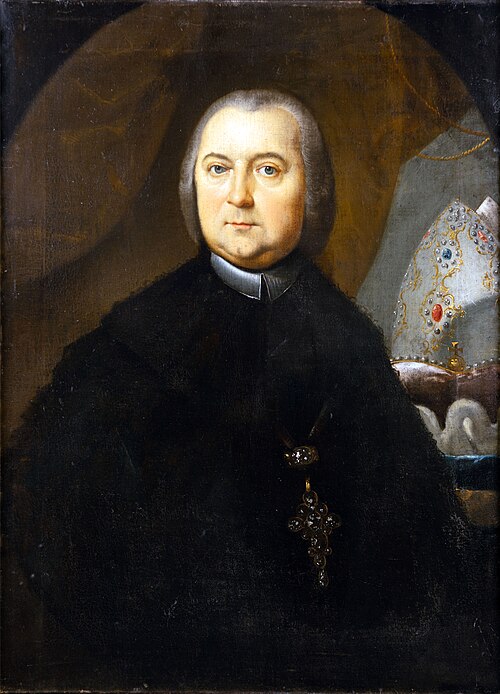
1802年、ドイツによる教会の統合に伴い、教区の政治的公国としての地位は解消されたが、教区自体は存続した。アダルベルト・フォン・ハルシュタル司教は、1814年に亡くなるまで教区の司教を務めた。彼の死後、教区は司教ではなく管理者によって管理されるようになった。教区の境界は、 1821年と1827年に教皇勅書によって変更された。1857年には、ザクセン=ヴァイマル大公国を含むように教区が拡張された。1873年から1881年にかけての文化闘争の間、宰相オットー・フォン・ビスマルクが教会の政治的権力を弱体化させようとした際、司教の座は再び空席となった。
1929年、フルダ教区はフランクフルト・アム・マイン周辺のいくつかの地域をリンブルク教区に譲渡し、ハイリゲンシュタットのカトリック教会が多数を占める教会管区とエアフルトの司教区をパーダーボルン教区から引き継ぎました。パーダーボルン教区自体も大司教区に昇格しました。その後、フルダ教区は属司教区として、上ライン教会管区から、パーダーボルンが率いる新しい中部ドイツ教会管区に移りました。
第二次世界大戦後のドイツ分割中、フルダ司教とヴュルツブルク司教は、東部地域に位置する教区で職務を遂行することが非常に困難になった。そのため、1946年にエアフルト大聖堂の司祭長がフルダ教区とヴュルツブルク教区の東部地域の総代理に任命された。1953年には、同地域の補佐司教となった。1973年、東ドイツにおけるカトリック教会の再編に伴い、聖座の布告により、両教区の東ドイツ地域はエアフルト=マイニンゲン司教区事務所(ドイツ語: Bischöfliche Amt Erfurt-Meiningen)に再割り当てられた。同司教区事務所の長は使徒管理者であり名義司教であった。
1994年6月14日、ローマ教皇庁とドイツのテューリンゲン州との間でエアフルト司教区の設立に関する合意がなされた後、同年7月8日、教皇ヨハネ・パウロ2世によってエアフルト司教区は独立した司教区となった。テューリンゲン州レーン山地のガイザ地区のみが、歴史的に非常に密接な関係にあることから、フルダ司教区に返還された。
特異な点の一つはオストハイムの司祭職で、教会法上は歴史的にテューリンゲン州の一部であるため、現在もフルダ司教区に属しているが、1945年以降はヴュルツブルク司教区によって管理されている。
中世の修道院長の一覧については、「世俗化までのフルダの支配者」を参照のこと。
北緯50度33分15秒、東経9度40分18.3秒/北緯50.55417度、東経9.671750度/北緯50.55417度、東経9.671750度