
Loading article…
アーチボルド・キャンベル・テイト[ 2 ](1811年12月21日- 1882年12月3日)は、イングランド国教会のカンタベリー大主教であり、神学者であった。彼はカンタベリー大主教、ひいてはイングランド国教会の首長となった最初のスコットランド人聖職者であった。[ 3 ]

テイトは1811年12月21日土曜日、スコットランドのエディンバラ、パークプレイス2番地[ 4 ]で、ハーヴィストンのクローフォード・テイトWS (1766年-1832年)と、サコット卿アイレイ・キャンベルの娘スーザン・キャンベル(1777年-1814年)の息子として生まれた[ 5 ]。
彼はエディンバラのハイスクールで教育を受け、1824年からは新しく完成したエディンバラ・アカデミーで学び、1826/7年には同校の首席となった。両親は長老派教会信者であったが、彼は早くからスコットランド聖公会に傾倒した。グラスゴー大学からスネル奨学生として1830年10月にオックスフォード大学ベリオール・カレッジに入学し、1年目に堅信礼を受けた。彼は奨学金を得て、1833年に文学(古典)で一級の成績で学位を取得し、ベリオールのフェロー兼チューターとなった。1836年に執事、1838年に司祭に叙任され、マーシュ・バルドンで副牧師を務めた。[ 6 ]
フェローたちの急速な交代により、26歳で彼は「バリオル・カレッジの4人のチューターの中で最年長かつ最も責任のある人物」となった。[ 7 ]この時期に得た経験は、後に最初のオックスフォード大学委員会(1850~52年)のメンバーとして大いに役立った。彼はオックスフォード運動の原則には決して共感せず、 1841年にトラクト90が出版されると、有名な「4人のチューター」による抗議文を起草したが、これがこの論争における彼の唯一の重要な貢献であった。一方、大学では概して自由主義運動に共感していたものの、この問題で主導権を握ることはなかった。[ 6 ]
In 1842, he became an undistinguished but useful successor to Arnold as headmaster of Rugby School (one of his pupils was Lewis Carroll); and a serious illness in 1848, the first of many, led him to welcome the comparative leisure that followed upon his appointment to the deanery of Carlisle in 1849. His life there, however, was one of no little activity; he served on the University Commission, he restored his cathedral, and he did much excellent pastoral work. There, too, he suffered the great sorrow of his life.[6] He had married Catharine Spooner at Rugby in 1843. She had opposed him becoming headmaster at Rugby because of differences in their belief, but she still married him. In fact Catharine was a great support to him and on her own account she helped the poor in the town and established a school for girls. In 1856, within five weeks, five of their nine children died due to virulent scarlet fever.[8] Two were spared and in time they were joined by another two siblings.
Not long afterwards, he was consecrated Bishop of London on 22 November 1856 at the Chapel Royal, Whitehall, by John Bird Sumner, Archbishop of Canterbury,[9] as successor to Charles James Blomfield. His translation to Canterbury in 1868 (he had refused the archbishopric of York in 1862) constituted a recognition of his work but made no break in it. His last years were interrupted by illness and saddened by the death in 1878 of his only son, Craufurd (1848–1878), and of his wife, Catharine (1819–1878).[6] Five of his eight daughters also died in childhood. Tragically all died of scarlet fever in 1856, within a few days of each other.[10]

If Blomfield had almost remodelled the idea of a bishop's work, his successor surpassed him. Tait had all Blomfield's earnestness and his powers of work, with far wider interests. Blomfield had given himself zealously to the work of church-building; Tait followed in his steps by inaugurating (1863) the Bishop of London's Fund. He devoted a very large part of his time at London in actual evangelistic work; and, to the end, his interest in the pastoral side of the work of the clergy was greater than anything else. With his wife, he was instrumental in organising women's work upon a sound basis, and he did not a little for the healthful regulation of Anglican sisterhoods during the formative period in which this was particularly necessary. Nor was he less successful in the larger matters of administration and organisation, which brought into play his sound practical judgment and strong common-sense. He was constant in his attendance in parliament and spared no pains in pressing on measures of practical utility. The modification of the terms of clerical subscription (1865), the new lectionary (1871), the Burials Act (1880) were largely owing to him; for all of them, and especially the last, he incurred much obloquy at the time.[6]

With regard to the liberal trend in modern thought, he was in sympathy with it. His object in dealing with questions of faith, as in dealing with the ritual question, was primarily a practical one: he wished to secure peace and obedience to the law as he saw it. Consequently, after his sympathies had led him to express himself favourably towards some movement, he frequently found himself compelled to draw back.[6]
He expressed a qualified sympathy with some of the writers of Essays and Reviews and then joined in the censure of it by the bishops (1861). The same kind of apparent vacillation was found in his action in other cases; e.g., in the case of John William Colenso (1863) and in the controversy as to the use or disuse of the Athanasian symbol (1872). It was naturally and widely misunderstood. Some who did not know him thought, or pretended to think, that he was a Socinian or a free-thinker. The world at large knew better; but even Frederick Temple warned him, in the case of Essays and Reviews, "You will not keep friends if you compel them to feel that in every crisis of life they must be on their guard against trusting you."[11]
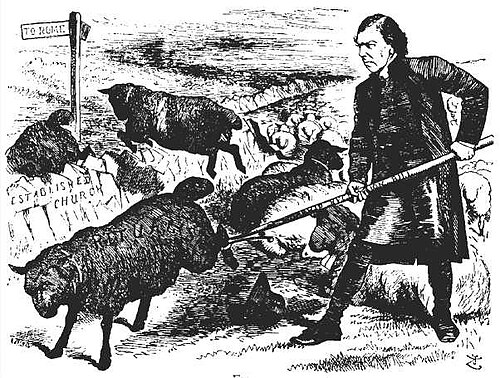
カトリック復興運動に関して言えば、テイトは司教在任中ずっとそれに関心を寄せ、とりわけ儀式主義の問題に深く関わっていた。儀式主義の問題は、当然ながら当時の公認された教会慣習と最も直接的に対立するものであった。彼は1859年のセント・ジョージズ・イン・ザ・イースト教会の抗議運動[ 12 ]や、初期段階のセント・オールバンズ・ホルボーン教会の騒動(1867年)に対処しなければならなかった。彼はリズデール事件(1877年)の枢密院判決に陪審員として参加し、 1858年と1877年の告解反対運動に他のどの司教よりも深く関わっていた[ 13 ]。
彼のやり方は一貫して同じだった。裁判所が宣言した法律に従うよう努め、それが叶わない場合は、教会の平和のために教区長の裁定に従うよう最も真剣に努力した。その後は、何もできなかった。彼は「儀式主義者」の側にどれほどの理屈があったか、つまり、彼らが主張するところによれば典礼規則の文言でカバーされている慣習のために戦っていたこと、そして典礼規則があらゆる方面で明らかに無視されている状況では、ある種の違反者だけを相手にするのは公平ではないことを理解していなかった。実際、他の人々がそれを完全に無視する傾向にある場合、テイトはイングランド教会と国家とのつながり以外にはほとんど何も理解できなかった。そのような立場からは、反抗的な聖職者を剥奪するための立法以外に逃れる道はないように思われ、その結果として1874年公衆礼拝規制法が制定された。 [ 13 ]
この件に関してテイトが全面的に責任を負うことは決してなかった。最も厄介な条項のいくつかは、司教たちが抵抗できなかったシャフツベリー卿の修正によるものであった。また、この措置の最も悲惨な結果は、それを可決させた者たちが想定していなかったことを心に留めておく必要がある。結果は必然的に起こった。聖職者たちは新たな法廷に召喚され、聖職を剥奪されただけでなく投獄された。高教会派だけでなく、関係する儀式慣習にほとんど関心のない多くの人々の間にも、広範な憤りが広がった。そして、結果がどうなるかを予測することは不可能に思われた。しかし、老いた大司教は誰よりも心を動かされ、このような事態を緩和するために懸命に努力した。[ 13 ]
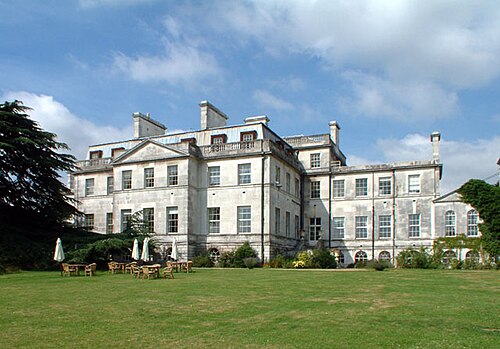
ついに、 AH マコノキー牧師が不服従を理由にホルボーンのセント・オールバンズ教会の聖職禄を剥奪されそうになったとき、当時アディントン宮殿で臨終を迎えていた大司教は、聖職禄の交換(すでに計画されていたもの)を実行するための措置を講じ、彼を裁判所の管轄から外した。これが転換点となり、儀式上の困難は決してなくなったわけではないが、その後は別の観点から対処され、公衆礼拝規制法は事実上時代遅れとなった。[ 13 ]


テイト大司教は1882年12月3日(待降節初日)にロンドンのアディントンで亡くなりました。彼はアディントンの聖母マリア教会の墓地に埋葬されています。墓には階段状の台座の上に大きなゴシック様式のケルト十字架が立てられており、墓地内で群を抜いて最大の記念碑となっています。
テイトは信心深い聖職者であったが、生涯の仕事はすべてイングランドで行われたにもかかわらず、最後までスコットランド人であり続けた。一部の人々は、彼がイングランド教会の歴史的立場を真に理解しておらず、学ぼうともしなかったと考えている。大司教の先代の一人であるジョン・ティロットソンは彼のお気に入りの英雄であり、ある意味で二人は似ていた。テイトにはティロットソンのような温厚さはなく、行く手を阻む障害を容赦なく踏み越えた。彼は偉大な聖職政治家とは言えないが、職務を立派に遂行し、間違いなく当時の最も優れた公人の一人であった。[ 13 ]
彼の娘エディス・マードック・テイト(1858年 - 1936年)はランドール・デイヴィッドソンと結婚し、デイヴィッドソンは(テイトの影響もあって)後にカンタベリー大主教となった。[ 14 ]
彼の死後、エディンバラの生家跡地、エディンバラ大学のマクイーワン・ホールの西側、エディンバラ医学部の裏手、テヴィオット・ロウに面した場所に、ブロンズ製の胸像を載せた石碑が建てられた。[ 15 ]記念碑は現存しているが、公道から離れた目立たない場所にある。
彼の最も重要な記念碑はウェストミンスター寺院にある。それは、1884年に南翼廊に建立されたHHアームステッド作の白い大理石の胸像である。 [ 16 ]
アディントン宮殿は現存しているが、1930年代にゴルフコースに転用された。
{{cite web}}値を確認する(ヘルプ)|url= ウィキメディア・コモンズにあるアーチボルド・キャンベル・テイト関連のメディア