
Loading article…
ウルグアイのロックは1950年代にウルグアイで初めて登場しました。しかし、世界の多くの地域と同様に、ウルグアイのロックにとって真のブレイクスルーとなったのは、 1960年代初頭のビートルズの到来でした。この国は人口が少なく、世界の文化の中心地から遠く離れていますが、この地のロック音楽は、さまざまな文化(特に、地理的に近いアルゼンチンとブラジル)と地元の特異性が混ざり合って形成されたアイデンティティを常に持ち、さまざまなジャンルやスタイルを横断してきましたが、この地域以外ではほとんど知られていませんでした。[ 1 ]インターネットとSpotifyなどのストリーミングサービスによる音楽ライブラリへの容易なアクセスのおかげで、これは今変わりつつあります。
ビートルズは世界中で絶大な人気を博し、多くのウルグアイの若者が独自のロックバンドを結成し始めた。1960年代半ば、ブリティッシュ・インヴェイジョンがアメリカ、カナダ、オーストラリアなどでピークを迎える頃、ウルグアイのバンドがアルゼンチンで主流に躍り出た。この文化的現象はウルグアイ・インヴェイジョンと呼ばれ、レコード会社がアルゼンチンでのプロモーションのためにウルグアイのバンドと契約し始めたことで、数年間続いた。 [ 2 ]
ロス・シェイカーズは、1960年代半ばに、若者たちが映画『ハード・デイズ・ナイト』を観た後、ビートルズへの反動として結成されたグループである。本質的にはビートルズのコピーとして始まったものの、ロス・シェイカーズはラテンアメリカ全土で非常に人気を博し、後に続く多くのミュージシャンに大きな影響を与えた。彼らのセカンド・アルバム『シェイカーズ・フォー・ユー』(1966年)は、ビートルズと同じ流れを汲み、サイケデリアへと向かう一方で、ボサノヴァへのオマージュを含む独自の要素も取り入れている。特にブラジルで大ヒットした「ネヴァー・ネヴァー」は、「当時ブラジル音楽界で起こったトロピカリア運動のインスピレーションとなった可能性が高い」。 [ 3 ]
ロス・シェイカーズと同様に、この時期にウルグアイで登場した他のバンドも、イギリスのバンドと同じようなサウンドを目指すのではなく、よりオリジナリティのあるサウンドを創造しようとしていた。例としては、ロス・イラクンドス、カノ・イ・ロス・ブルドッグス、ロス・マルディトスなどが挙げられる。しかし、ロス・モッカーズはこの例には当てはまらない。ローリング・ストーンズの影響を強く受けており、メンバーは才能ある演奏家や編曲家と見なされていたものの、彼らの作品には「地元や地域の個性の痕跡は全くなかった」。[ 4 ]
ウルグアイ人のアルゼンチン侵攻が下火になると、エル・キント、トーテム、プシグロ、ジェネシス、オーパス・アルファ、エドゥアルド・マテオ、ヘスス・フィゲロア、ディアス・デ・ブルースのメンバーを含むロック・ミュージシャンの新たな波が起こり、コンステラシオンやディスコドロモ・ショーなどのラジオ番組やテレビ番組によって宣伝された。
ガストン・シアルロ(別名ディノ)はウルグアイのロック音楽のパイオニアであり、ビートルズ革命以前にエレクトリック・ブルースを演奏し、ポップ音楽と地元のリズムやテーマを融合させた。エドゥアルド・マテオやエル・キントのようにカンドンベにも手を出し、1970年のリリース『アンダーグラウンド』ではロック的な姿勢を取り、ミロンガなどのスタイルをミックスした。曲は謎めいた言葉で始まり、バックグラウンドには何気ない会話の音が聞こえる。1970年にはエドゥアルド・マテオがエル・キントを解散し、メンバーの2人、ギタリストのウォルター・カンボンとドラマーのルイス・ソーサがリモナダを結成した。この短命なプロジェクトは、1990年代にその極めて型破りなサウンドのおかげで再発見され、「奇妙な声、偶発的な音楽ノイズ、そして曲を時には一体化させ、時には曲を半分に切り裂くような効果音で構成された曲」を誇った。[ 5 ]
1970年代初頭、ウルグアイで台頭したロックシーンは、ミュージシャンたちが新たなラテンアメリカの文化的アイデンティティを模索する姿を映し出していた。ルーベン・ラダとエドゥアルド・ウセタによって結成されたトーテムは、まさにそれを実現しようとする試みであり、1971年のセルフタイトルのデビュー作は、彼らのソングライティングの才能と卓越した歌唱力を示し、バンドをウルグアイで最も成功したバンドの一つへと押し上げ、ウルグアイ音楽の未来に大きな遺産を残した。[ 6 ]


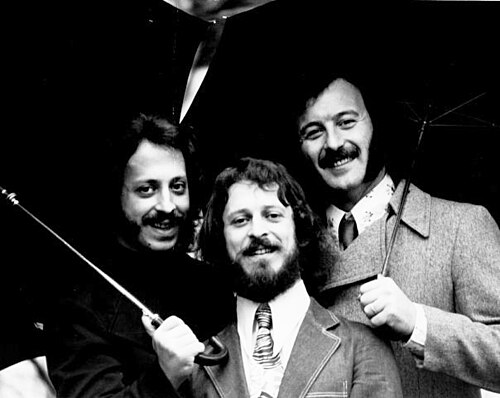
Apart from Tótem, the Uruguayan hard rock band Psiglo was able to cross over from the underground and reach a large audience. Inspired by Deep Purple and Uriah Heep, Psiglo was formed in 1971 and reached their height with their debut album Ideación, released in 1973. Their leftish politics and rebellious attitude meant it was impossible for them to continue after the 1973 military coup, and their second album did not see the light of day until 1981, because the military authorities threatened to close the record company down if it was released at the time.[7]
In 1973 the military dictatorship came to rule Uruguay, and the rock boom ended. In 1975, popular music came to be dominated by canto popular, a genre that was against and openly dismissed electric instrumentations and foreign rhythm and styles.
Jorge Galemire's first solo album (1981) Presentación, combining acoustic ballads with groovy candombe jazz arrangements along with new pop readings of the Uruguayan murga was a big influence on many artists, although it did not reach a wide public.[8] Galemire emerged from the 1970s Uruguayan rock scene, previously playing with El Syndikato, Carlos Canzani, Eduardo Darnauchans and Eduardo Rivera, playing an important role in breaking the cultural status quo imposed by the dictatorship.[9]
Another influential album, Aquello by Jaime Roos was released in 1981. Moving away from his previous Beatles influenced music, Aquello was recorded in France with a multinational group of musicians, from Uruguay, Argentina, France and the US, and with this recording, Roos began to "bear no resemblance to anybody else but himself" and with a pervading atmosphere of strangeness and diversity, along with "almost perfect songs with incredible melody lines".[10] These followed traditional song formats, but with bolero and Latin American inspired arrangements and the start of Roos's definitive personality. A year later (1982), Roos followed with Siempre son las cuatro, with a rougher and darker quality of tone .
After 1985, with the restoration of democracy, after 12 years of dictatorship, Uruguayan rock was reborn. The new scene was perhaps best represented by Los Estómagos, whose 1985 debut album, Tango que me hiciste mal (1985) "is considered the kick-off of the new Uruguayan rock".[11] Although usually labelled a punk band, the dark tone and minimalist music of Los Estómagos mean they are closer to new wave bands such as Bauhaus and Joy Division, rather than Sex Pistols. The album's particular sound was also due to the use of outdated and poorly equipped Uruguayan recording studios.
In 1985 also the Uruguayan Heavy Metal scene was born with bands like Acido and Alvacast, being Alvacast the first Heavy Metal band to get a record deal in Uruguay. Alvacast recorded their first LP in 1987 called "Al Borde Del Abismo".
Other bands influenced by punk rock and new wave included Traidores, Neoh-23, Zero, La Tabaré Banda and La Chancha Francisca. The scene was alive and well, with shows at underground venues or the series of big concerts known as Montevideo Rock, (where participated the most popular Heavy Metal band called Alvacast) that also included foreign bands. The gloomy sound of this era (post-punk guitars, grim lyrics) found little support in mainstream media. This eighties rock movement slowly weakened and practically vanished. It is generally considered that this period symbolically came to an end in 1989, with the split of Los Estómagos.[12]
Corrección: la banda que edito dentro de la categoría HEAVY METAL en Uruguay. Fué ACIDO. Fonográficamente ese es el 1er. registro.
The mid-nineties, with the popularization of compact discs, cable TV and the beginning of the internet saw another generation of Uruguayan bands coming to the surface. El Cuarteto de Nos broke records with their album Otra Navidad en las Trincheras, while Buitres despues de la una (with former Estomagos members) reached a creative peak with Maraviya. A compilation album called Perdidos, released in 2000, documented the whole 1990s underground scene, with songs by bands like Loop Lascano, Kato, Camote, Gnomos, Samurai Porno, Sordromo and Elefante.
Trotsky Vengaran is a very well known band in the inner culture, with over 30 years of career and eleven studio albums they directly compete with Buitres for the audience. Formed in 1991, they published their first album, "Salud, dinero y dinero" (Health, money and more money) in 1994, since then, they have published albums almost once every two years.
In 1995, a band called El Peyote Asesino revitalized the whole scene with their self-titled album and their powerful underground shows. Their music was a mix of hip-hop and hard rock, with influences from Red Hot Chili Peppers and Beastie Boys. Bands like Platano Macho, La Teja Pride, La Abuela Coca (a band inspired by Manu Chao and Mano Negra) and the then beginners La Vela Puerca gave the scene a variety that was unheard of. Deals with big record labels also helped the bands get better sound in their albums, which was a long-time debt of the local scene. Meanwhile, La Trampa gained popularity as their blend of traditional Uruguayan folk and obscure post-punk rock reached airplay and edited well-sold albums like Caída libre.

In 2001, Buenos Muchachos, a band that started in the 90's in Montevideo's underground rock scene, alongside Chicos Electricos, La Hermana Menor and The Supersonicos, reached maturity with their third album Dendritas contra el bicho feo, with references to bands such as The Velvet Underground and The Stooges as well as borrowing accents from the milonga and tango.[13]
El Peyote Asesino split after their second album, Terraja, while La Vela Puerca's popularity grew as they matured musically from a ska-punk sound to their own identity, blending local sounds as well. In 2003 a band named Astroboy, inspired by Oasis, came out. From 2005, La Vela Puerca and No Te Va Gustar (NTVG) emerged as two of the most popular bands in Uruguay. El Cuarteto de Nos, No Te Va Gustar and La Vela Puerca were also very popular in Argentina, touring throughout the country and playing in local festivals, such as Cosquín Rock, Pepsi Music, etc.

一般に、エル・クアルテト・デ・ノス、ラ・ヴェラ・プエルカ、ノ・テ・ヴァ・グスタール(NTVG)、ブエノス・ムチャーチョス、ラ・トランパ、ブイトレ、ラ・タバレ・バンダなど、過去数十年で最も人気のあるバンドは今も人気があり、定期的にレコードをリリースしたりライブを行ったりしています。
ET y Los ProblemsやMolina y los Cosmicosなど、多くの新しいバンドが批評家の注目を集め始めており、彼らのインディーズフォークロックは「スパゲッティウェスタン」やCalexicoの影響を受けている[ 14 ]。ブラジルやアメリカでのツアーのおかげもあり、国外でも注目を集めている。他のバンドも成熟期を迎え始めており、例えばBoomerangは2000年にウルグアイのOasisのクローンとして結成されたが、アルゼンチンのバンドBabasónicosのスタジオで録音されたEngañamundosのリリースにより、成熟したサウンドを発見した[ 15 ]。


