
Loading article…
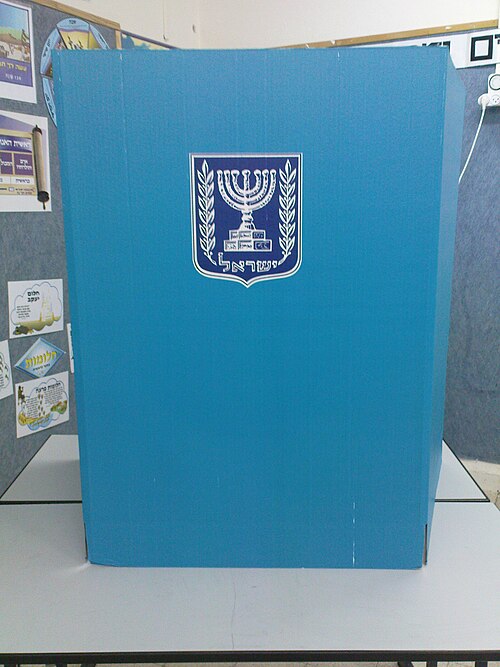
2009年2月10日、イスラエルで第18回クネセトの120人の議員を選出するための議会選挙が行われた。[ 1 ]この選挙は、カディマ党の党首であったエフド・オルメルト首相 の辞任と、後任のツィピ・リブニが連立政権を樹立できなかったために必要となった。オルメルトが首相の座にとどまっていたか、リブニが連立政権を樹立していたならば、選挙は2010年に予定されていたであろう。
現職首相の所属政党であるカディマ党が議会で最多議席を獲得したものの、リクード党首のベンヤミン・ネタニヤフ氏が過半数連立政権を樹立し、新首相に就任した。イスラエル労働党またはその前身政党が最多議席、あるいは2番目に多くの議席を獲得できなかったのは、イスラエル史上初めての選挙となった。
2008年9月17日、カディマ党は党首選挙を実施し、ツィピ・リブニが勝利した。リブニの勝利後、党首だったエフド・オルメルト(選挙には出馬していなかった)は首相を辞任した。リブニには連立政権樹立のために6週間が与えられたが[ 2 ]、各政党が新政権への参加に合意する期限を10月26日とした。
労働党は参加に同意したが、現在の連立政権メンバーであるシャス党は参加を拒否した。リブニ氏は、シャス党が「経済的にも外交的にも不当な」要求(児童手当の増額に消極的であることや、パレスチナとの合意におけるエルサレム分割の可能性を拒否することなど)をしたと主張した。[ 3 ]シャス党は連立交渉の一環として提示された約10億シェケルの児童手当を拒否したと報じられた。 [ 4 ]ギルと統一トーラー・ユダヤ教は参加の申し出を拒否したが、メレツ・ヤチャドとの交渉はまだ続いていた。[ 5 ] 10月26日、リブニ氏はシモン・ペレス大統領に早期選挙の実施を勧告した。[ 3 ]
President Peres had three days to consult on the recommendation, after which there was a period of three weeks in which other Knesset members could have offered to form an alternative coalition, but no such alternative was brought.[3]
The election would have to be held within 90 days after the end of that period.[2] Although Kadima submitted a bill to the Knesset on 27 October to call early elections and bypass the three-week period,[6] Peres' announcement to the Knesset that there was no chance of forming a government meant that the full waiting period stood.[6] Ehud Olmert was to remain the caretaker prime minister until a new government was formed after the elections.[2]
The traditional distinction between the Israeli left and the right had become blurred, with both the voters and the main candidates gravitating toward the center. Israelis, who had always been highly politicized, were switching affiliations more easily. On the Palestinian front, stark differences among the parties still remained. Kadima was committed to continuing talks for a two-state solution. Labor did not believe that bilateral Israeli–Palestinian negotiations could succeed under the current circumstances, and advocated a more comprehensive, regional approach to peace. Likud said it would promote an "economic peace" with the Palestinians and also hold political negotiations, although it was not clear about what.[7][8]
Elections to the Knesset allocate 120 seats by party-list proportional representation, using the D'Hondt method. The election threshold for the 2006 election was set at 2% (up from 1.5% in previous elections), which is a little over two seats.
After official results are published, the president delegates the task of forming a government to the member of Knesset with the best chance of assembling a majority coalition (usually the leader of the largest party, but not required). That member has up to 42 days to negotiate with the different parties, and then present the government to the Knesset for a vote of confidence. Once the government is approved (by a vote of at least 61 members), the leader becomes prime minister.
The table below lists the parliamentary factions represented in the 17th Knesset.
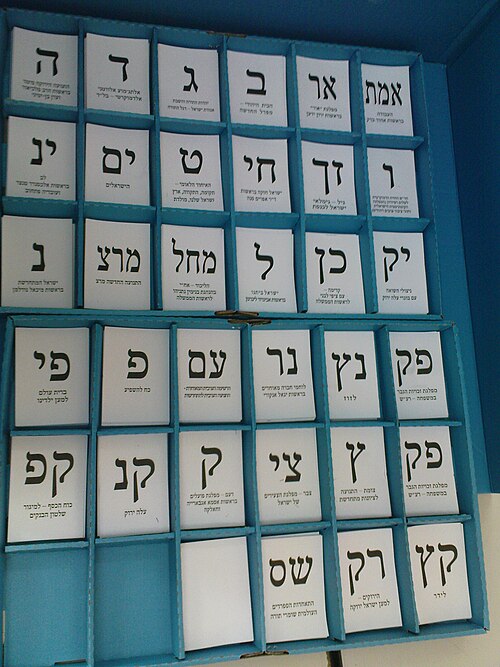
By 23 December 2008, a record 43 parties had registered with the parties registrar, compared to 31 for the 2006 elections,[9] although in the end, only 34 parties submitted a list of candidates,[10] and only 33 ran on election day. On 12 January 2009, Balad and the United Arab List–Ta'al alliance were disqualified by the Central Elections Committee on the grounds that they failed to recognize Israel as a Jewish state and called for armed conflict against it.[11] Balad and Ta'al were also disqualified from the 2003 election, but won a Supreme Court case which allowed them to run.[12] On 21 January 2009, the Supreme Court again revoked the ban.[13]
The Labor–Meimad alliance, in existence since 1999, was ended prior to the elections. Labor ran on its own, and Meimad ran a joint list with the new Green Movement.[14]
Meretz and Tnu'a HaHadasha, a new movement of left-wing activists led by Tzali Reshef, ran a joint list, with Tnua'a HaHadasha representatives getting third, seventh, and eleventh spots on the alliance's list.[15]
The anti-West Bank barrier movement Tarabut was merged into Hadash.[16]
宗教シオニストのアヒ党は、以前は国民連合の一員であったが、2008年12月下旬にリクードに合併した。[ 17 ]超正統派政党のアグダット・イスラエルとデゲル・ハトーラーは、選挙に向けて統一トーラー・ユダヤ教という同盟を継続することで合意した。[ 18 ]
2006年の選挙以降、いくつかの政党が設立された。最初の政党は、億万長者のアルカディ・ガイダマクが2007年2月に設立した社会正義党(結局、選挙には出馬しなかった)であり、イスラエル・ハザカ党は、元労働党クネセト議員のエフライム・スネーによって2008年5月に設立された。
2008 年 10 月下旬に選挙が発表された後、国民連合と国民宗教党のTkuma 派とMoledet派は2008 年 11 月上旬に単一の政党に合併し[ 19 ] 、後にユダヤ人の家と名付けられました。しかし、国民連合は、Moledet 派と Tkuma 派が党から離脱し、Aryeh Eldadが率いるHatikvaと、 Rabbi Sholom Dov Wolpo とBaruch Marzelが率いるEretz Yisrael Shelanu (我々のイスラエルの地)との同盟に合意した後に再建されました。[ 10 ] [ 20 ] [ 21 ] [ 22 ]
クネセト議員のアッバス・ザクールは、2008年12月初旬にアラブ連合リストを離脱し、アラブ中央党を設立した。[ 23 ]しかし、彼は後にバラド党に加わった。[ 24 ]
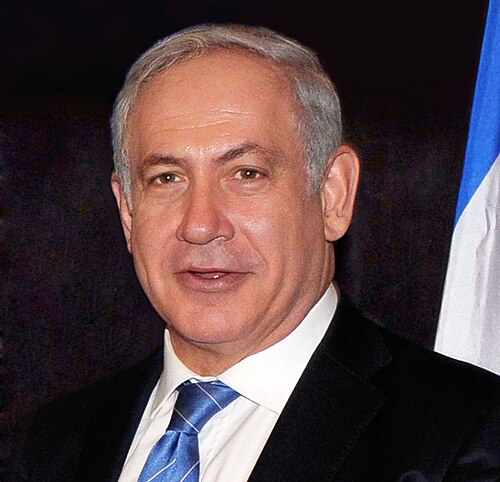

2月20日、シモン・ペレス大統領は、リクード党のベンヤミン・ネタニヤフに組閣の任務を与えることを発表した。[ 44 ]大統領が最大政党の党首をこの任務に任命しなかったのは今回が初めてだが、首相が最大政党の党首ではないケースはこれまでにも何度かあった。そのようなケースは1996年の選挙で起こった。ネタニヤフ自身が直接投票で首相に選出されたが、彼のリクード党はシモン・ペレスの労働党よりも議席数が少なかった。ペレスがネタニヤフを指名した動機は、ネタニヤフが連立政権を組む上で数的に有利な立場にあるという判断に基づいていたと思われる。リクードの潜在的な右派のパートナーは、カディマを支持する可能性が高い中道左派の政党よりも多くの議席を獲得した。
労働党とカディマ党は当初、リクード主導の政権には参加しないと表明したが、両党はさらなる協議を予定していた。[ 45 ] [ 46 ] [ 47 ]当時の世論調査では、国民はリクードとカディマによる国民統一政権を支持しており、イスラエル・ベイテイヌ党か労働党のいずれかが3番目の主要連立メンバーとなることが示されていた。[ 48 ]
2009年3月16日、ネタニヤフはイスラエル・ベイテヌと連立協定に署名した。[ 49 ]連立交渉の期限が2009年3月20日から4月3日に延長された後、ネタニヤフは2009年3月22日にシャスと連立協定に署名し、 [ 50 ] 2009年3月24日には労働党の支持を取り付け、労働党中央委員会は680対507の票でこの合意を承認した。[ 51 ]しかし、党の大部分は依然として懐疑的で、エフド・バラクはこの合意の下で自分の利益にしか興味がないと非難した。[ 52 ] 3月25日にはユダヤ人の家も連立に加わった。[ 53 ]
3月30日、イスラエル基本法[ 54 ]に従い、ネタニヤフはペレスとクネセト議長代行のミハエル・エイタンに、組閣が可能になったこと、そしてクネセトは2009年3月31日に招集され、「信任投票」で政府に投票し、その後宣誓を行うことになったことを伝えた[ 55 ] 。同日、69人の議員の多数決で同国第32次内閣が承認され[ 56 ] 、翌日には統一トーラー・ユダヤ教が加わり、連立政権は74人の議員に拡大した[ 57 ] 。
2012年3月27日、野党カディマは党首予備選挙を実施し、党首のツィピ・リブニとシャウル・モファズが争った。[ 58 ]モファズは62%の得票率で勝利した。リブニは2012年5月にクネセト議員を辞任した。[ 59 ]
先にネタニヤフはライバルのモシェ・フェイグリンを破り、2012年1月31日に行われたリクード党首選の予備選挙で77%の票を獲得した。[ 60 ]
2012年5月7日の前夜、数週間の審議と噂の後、ネタニヤフは早期総選挙を呼びかけ、9月4日を選挙日として提案した。これは避けられないように思われたが、劇的な展開で、その夜、ネタニヤフはカディマ党との統一政府を樹立したと発表し、事実上、以前の早期選挙の呼びかけを撤回した。翌日の午後、リクードとカディマは連立協定に署名し、カディマの28人のクネセト議員を政府に入れ、モファズは(ネタニヤフ不在の場合に備えて)活動副首相と無任所大臣に任命された。この協定により、連立政権はイスラエル史上最大の規模となり、94議席の連立政権とわずか26議席の野党となった。[ 61 ]しかし、7月17日、カディマは連立政権からの離脱を投票で決定した。それでも、同党がいなくても過半数の議席は維持された。縮小した連立政権は、イスラエル・ベイテイヌなどの民族主義グループと、シャスなどの超正統派グループに分裂しており、これらのグループは徴兵制の問題で正反対の立場を取っている。このため、一部の評論家は連立政権の完全な崩壊が間近に迫っており、2013年1月までに新たな選挙が行われるだろうと示唆した。[ 62 ]
{{cite news}}: CS1 maint: deprecated archival service (link)