
Loading article…
Michael Doheny (22 May 1805 – 1 April 1862[1]) was an Irish writer, lawyer, member of the Young Ireland movement, and co-founder of the Irish Republican Brotherhood, an Irish secret society which would go on to launch the Fenian Raids on Canada, Fenian Rising of 1867, and the Easter Rising of 1916, each of which was an attempt to bring about Irish Independence from Britain.
The third son of small farmer Michael Doheny, he was born at Brookhill, near Fethard, County Tipperary. Growing up, he received a rudimentary education from an itinerant teacher while working on his father's farm. He would continue his formal education into his adult life while simultaneously acting as a teacher himself to local children. Doheny's ambition was to receive a formal legal education so that he could become a lawyer capable of seeking redress for members of his community, who were generally poor.[2]
Doheny's parents both died in his teens, leaving Doheny's eldest brother, himself only in his teenage years, as head of the household. Doheny fought through a bout of typhus at the age of 14. When he was 20, Doheny's eldest brother died and the family farm came into his procession. He subsequently sold it and continued to focus on his education.[3]
Doheny was admitted to Gray's Inn in November 1834 and King's Inns in 1835 before being called to the Irish bar in 1838. Doheny would set up business in Cashel, County Tipperary and would be appointed legal assessor to the borough of Cashel under the Municipal Corporations (Ireland) Act 1840. This allowed him to successfully prosecute former borough officers for corruption, including misappropriation of funds and fraudulent transfers of property, which won Doheny wider acclaim.[2]
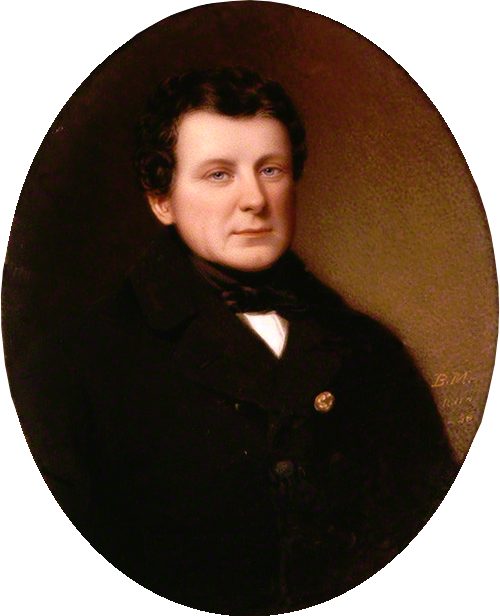
1830年、ドヘニーはティペラリー選出の国会議員になろうとしたトーマス・ワイズの選挙運動で選挙管理委員を務め、ワイズの当選に貢献した。ドヘニーはワイズ関係者を通じてダニエル・オコンネルの廃止協会に関わるようになった。廃止協会はアイルランド議会を解散させた合同法の廃止を目指すアイルランドの運動の一部であった。1841年、彼は正式に廃止協会に加入した。1841年5月、ドヘニーは協会の総務委員会に任命された。オコンネルはドヘニーを制御できないと感じ、協会の財政管理に関するドヘニーの質問に不安を感じていた。[ 2 ]
1842年までに、ドヘニーはキャシェルとその周辺で後継弁護士としての地位を確立した。同年、彼はメアリー・ジェーン・オドワイヤーと結婚し、メアリー・ジェーンの母親と共にキャシェルの新居に引っ越した。その後、マイケルとメアリー・ジェーンの間には、モーガン、マイケル、エドモンド、ジェーン・ドヘニーの4人の子供が生まれた。[ 3 ]
1842年、ドヘニーはトーマス・デイビスのような、より過激な廃止運動のメンバーと交流を始めた。田舎育ちのドヘニーとデイビスの一派の間には、年齢と階級の両面で隔たりがあり、デイビスの一派の多くはドヘニーを見下していた。しかし、彼の情熱を認める者もおり、ある同僚は匿名でドヘニーについて「粗野で、寛大で、大胆で、土着の息子で、服装はだらしなく、赤毛で顔も赤ら顔だが、人々の希望、情熱、伝統を真に体現している」と評した。ドヘニーは、青年アイルランド人の思想の発信源となった新聞『ザ・ネイション』の創刊を支援した。編集者が彼の記事を多数却下したため、ドヘニーはすぐに腹を立てた。また、この頃、ドヘニーは『ザ・ネイション』紙に『アメリカ独立革命史』を発表した。[ 2 ]
歴史家のジェームズ・クインとデズモンド・マッケイブは、ドヘニーは作家というより演説家として優れており、ティペラリー周辺やダブリンでの廃止運動の公開集会でより才能を発揮したのではないかと示唆した。1843年にこれらの「巨大な」集会に集まる大勢の人々を見て、ドヘニーはこれらの人々に軍事的潜在力があると信じるようになった。ドヘニーは後に、トーマス・デイビスやジョン・ブレイク・ディロンと共に、アイルランドの農民を将来のイギリスとの戦争に備えさせるために、軍事的含みのある廃止集会を意図的に運営したと主張した。しかし、歴史家たちはその主張の信憑性を疑い、修正主義的な主張だと示唆している。[ 2 ]
1845年、ドーヘニーは、アイルランド議会議員が下院から棄権する法的権利(「棄権主義」)があるかどうかを調査するために、法律の知識を用いてリピール協会から依頼された。ドーヘニーは、しぶしぶながら、この行動は棄権した議員に対する法的措置につながる可能性があるという法的な見解を示した。これはダニエル・オコンネルが聞きたかったことではなく、二人の関係が悪化する原因となった。1845年のメイヌース大学法に関する公開討論で、アイルランドの大学教育は世俗的かつ非宗派的であるべきだというドーヘニーの見解にオコンネルが腹を立てたことで、二人の間の緊張は高まり続けた。[ 2 ]また、1845年にはティペラリーで議席が空席になった。ドーヘニーはその議席に立候補するのにふさわしい候補者であったが、オコンネルのリピール党による選考から外された。[ 3 ]
1846年4月、ウィリアム・スミス・オブライエンは議会委員会の委員を務めることを拒否したため1か月間投獄された。この論争は、台頭しつつあった青年アイルランド運動とオコンネルのリピーラーズの間に深刻な分裂をもたらした。ドヘニーと青年アイルランド運動はオブライエンの行動を支持し、より過激な見解を声高に主張するようになった。両グループは1846年7月に正式に分裂し、ドヘニーは和解の試みに抵抗した強硬派の一人であった。その後、ドヘニーは1847年1月13日にアイルランド連合の共同創設者の一人となった。 [ 2 ]

1847年の夏、ドヘニーはティペラリー周辺に「連合クラブ」を設立し始め、またジェームズ・フィンタン・レイラーがホーリークロスに借地人同盟の支部を設立しようとする試みを支援した。
ドヘニーは、レイラーの革命的な農業哲学に惹かれた少数の青年アイルランド党員の一人だった。しかし、1848年1月にミッチェルが革命を呼びかけた際、ドヘニーはミッチェルではなくスミス・オブライエンを支持した。5月にミッチェルが反逆罪で有罪判決を受けた後、ドヘニーの立場は変わり、全面的な反乱を支持するようになった。その結果、ドヘニーは7月12日にキャシェルで扇動的な演説をしたとして逮捕された。彼は青年アイルランド党の反乱が始まる9日前の7月20日に保釈された。ドヘニーはティペラリーで人を集めようとしたが、ウィリアム・スミス・オブライエンの優柔不断さによってその努力は阻まれた。[ 2 ]
7月31日のバリンガリーでの作戦が失敗に終わった後、ドヘニーはスリーヴナモン山に逃げ込んだ。その後2か月間、ドヘニーはジェームズ・スティーブンスと共にマンスター地方を逃亡しながら当局の追跡を逃れた。1848年9月8日、彼は「涼しい山の森」と表現される場所で「逃亡者の歌」という詩を書いた。ドヘニーは最終的に司祭に変装してコークからブリストルに向かう家畜運搬船に乗り込み、アイルランドから脱出した。そこからドヘニーはフランスのパリに向かい、そこでスティーブンスと再会した。2人は仲間の反乱者ジョン・オマホニーと合流した。3人はニューヨーク市へ出発する前に2か月間パリに滞在した。[ 2 ]

ドヘニーはアメリカに移住後、生計を立てるために弁護士業に復帰した。しかし、彼はアイルランド共和主義者のサークルで活動を続け、それは他のヤング・アイルランドの亡命者で溢れかえっていたニューヨークではよくあることだった。ニューヨークの保守派と急進派のヤング・アイルランドの間には緊張関係があり、ドヘニーとトーマス・ダーシー・マギーが関わった事件はその典型例である。この事件の記述は様々である。ある説では、マギーがドヘニーを自慢屋、酔っ払い、無能だと非難し、それに対してドヘニーは歩いていた通りの開いた地下室にマギーを突き落とそうとしたとされている。歴史家のジェームズ・クインとデズモンド・マッケイブは、ジョン・ブレイク・ディロンもドヘニーに対して同様の非難をしており、したがって根拠がないわけではないかもしれないと指摘している。[ 2 ]ドヘニーとマギーの口論に関する別の記述では、ドヘニーがマギーに決闘を挑んだが、マギーは拒否したとされている。激怒したドヘニーはマクギーを襲撃した。マクギーは逮捕されたようだが、犯罪で起訴されなかった。[ 3 ]
残念ながら、ドヘニーにとって、アメリカでの最初の1年間に彼が巻き込まれた暴力的な争いはこれだけではなかった。ドヘニーは、ダニエル・オコンネルの政策をめぐって、オコンネルの忠誠派であるパトリック・H・オコナーと公開討論を行った。討論の後、ドヘニーとオコナーは路上で対峙し、殴り合いになった。2人の決闘が取り決められたが、決闘が行われる予定だった日に、オコナーはアイルランドへ出発したとされている。[ 3 ]
1849年、ドヘニーは『重罪犯の足跡』という本を執筆し、その中で、廃止運動と1848年の反乱の歴史を非常に批判的に記述した。ドヘニーは特にオコンネルの関与を批判した。この本は大成功を収め、何度も再版された。その結果、ドヘニーはアイルランド系アメリカ人協会で講演者として引っ張りだこになった。ドヘニーはまた、ドヘニーの故郷ティペラリー出身の17世紀のアイルランドの歴史家ジェフリー・キーティングに関する回想録と、ジョン・オマホニーが数年間かけて翻訳していた『アイルランドの法』の翻訳にも貢献した。[ 2 ]
ドヘニーはニューヨークに到着した当初から、市内のアイルランド系民兵組織に関わるようになった。1851年11月、ドヘニーはニューヨーク第69歩兵連隊の副連隊長に選出され、1852年9月には新設されたアイルランド共和ライフル連隊の大佐となった。これらのアイルランド系民兵組織は概してアイルランド独立を目標としていたが、戦略や指導権争いをめぐる内部抗争が絶えなかった。[ 2 ]
In February 1856, Doheny and O'Mahony founded the Emmet Monument Association, an organisation with the publicly stated goal of funding a monument to Irish rebel leader Robert Emmet, but with the private goal of unifying Irish Republicans in America under one banner. Upon the outbreak of the Crimean War in March 1857, Doheny and O'Mahony met with the Russian consul in New York and sought to secure backing for another rebellion in Ireland from the Russian Empire. They presented the consul with a request from the various Irish militias for transport of 2,000 men and arms for another 5,000 to Ireland. The request was sent back to Russia, where supposedly there was some interest in the plan. However, ultimately the plot was considered unaffordable by the Russians. The failure to secure the backing of the Russians is suggested to have demoralised many of the Irish-American organisations, causing some of them to fall apart.[2]
Doheny and O'Mahony, responding to the fragmentation, reached out to James Stephens in the autumn of 1857. Stephens agreed to aid them, but in return asked for undisputed leadership of any proposed grouping. Stephens had just founded the Irish Republican Brotherhood on 17 March 1858, and in turn, Doheny and O'Mahoney agreed to organise its American counterpart the Fenian Brotherhood in early 1859. Simultaneously, Doheny founded the short-lived newspaper The Phoenix to spread the ideals of the new Fenian movement.[2]
Doheny was involved in the funeral arrangements for Terence Bellew MacManus in Ireland and acted as one of his pallbearers in a New York ceremony.[2] Doheny travelled to Ireland in October 1861 to accompany the body home, where his spirits were lifted by the large crowds who came out not only to honour MacManus' body, but who cheered for "Colonel" Doheny. Doheny's morale was high for the enthusiasm he saw that he began to argue again for another rebellion in Ireland, but this line of thinking was overruled by James Stephens. After the funeral, Doheny made an emotional visit to Cashel in Tipperary where he was given a hero's welcome.[3]
Not long after the McManus funeral, Doheny himself died suddenly on 1 April 1862. He was buried in Calvary Cemetery in Queens, New York.[2][3]
ドヘニーは、小著『The Felon's Track』(プロジェクト・グーテンベルクにテキストあり、ニューヨーク、1867年)の著者として、また「Achusha gal machree」と「The Outlaw's Wife」という2つの詩の著者として最もよく知られている。