
Loading article…

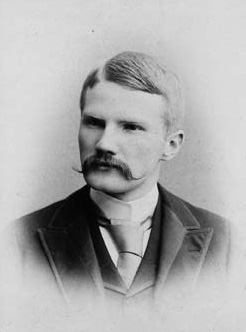
チャールズ・ホーマー・ハスキンズ (1870年12月21日 - 1937年5月14日)は、ハーバード大学のアメリカ人中世史学者である。[ 1 ]彼はアメリカ合衆国大統領ウッドロー・ウィルソンの顧問を務めた。彼はアメリカで最初の学術的な中世史家として広く認められており、ハスキンズ・メダルは彼の名にちなんで名付けられた。
ハスキンズはペンシルベニア州ミードビルで生まれた。[ 2 ]
彼は神童で、幼い頃から父親に教わり、ラテン語とギリシャ語の両方に堪能だった。[ 2 ]彼は16歳でジョンズ・ホプキンス大学を卒業し、その後パリとベルリンで学んだ。 [ 1 ] [ 2 ]彼はジョンズ・ホプキンス大学で歴史学の博士号を取得し、20歳になる前に同大学で教え始めた。 [ 2 ] 1890年、彼はウィスコンシン大学の講師に任命され、2年後に正教授となり、1892年から1902年まで同大学でヨーロッパ史の教授職を務めた。[ 3 ] 1902年、彼はハーバード大学に移り、1931年までそこで教鞭を執った。[ 3 ]
ハスキンズは政治に深く関わるようになり、ジョンズ・ホプキンス大学で出会ったウッドロー・ウィルソン米大統領の側近となった。 1919年のパリ講和会議(ヴェルサイユ条約が作成された会議)にウィルソン大統領が出席した際、同行した顧問はわずか3名で、その中にはアメリカ委員会の西ヨーロッパ部門長を務めたハスキンズも含まれていた。
ハスキンズは1913年にアメリカ芸術科学アカデミーに、 1921年にアメリカ哲学協会に選出された。 [ 4 ] [ 5 ]
彼は1937年5月14日にマサチューセッツ州ケンブリッジで亡くなった。[ 1 ]彼の未亡人は1970年に亡くなった。[ 6 ]
彼は主に中世の大学や政府といった制度史を専門としていた。彼の著作は、20世紀に広く見られた楽観的で自由主義的な、「最も優秀で聡明な人々」による進歩的な統治こそが正しい道であるという考え方を反映している。中世ヨーロッパの制度史に関する彼の著作は、当時の統治官僚機構の効率性と成功を強調しており、それは暗黙のうちに現代の国民国家の官僚機構と類似している。
ハスキンズの最も有名な教え子は中世史家のジョセフ・ストレイヤーで、彼はプリンストン大学で次世代の多くのアメリカ人中世史家を指導し、その中には現在も活躍している者もいる。ハスキンズに師事した他の著名な中世史家には、リン・ホワイト・ジュニア(UCLA)、ゲインズ・ポスト(ウィスコンシン大学およびプリンストン大学)、カール・スティーブンソン(コーネル大学)、エドガー・B・グレイブス(ハミルトン大学)、ジョン・R・ウィリアムズ(ダートマス大学)などがいる。
彼は1920年から1926年まで、アメリカ学術協会協議会の初代会長も務め、同協会は現在も彼の名を冠した著名な講演シリーズを開催している。
彼の息子であるジョージ・ハスキンズは、ペンシルベニア大学ロースクールの教授だった。
ハスキンズ協会は、彼の名にちなんで1982年に設立され、故C・ウォーレン・ホリスターが「創設者」の一人であった。[ 7 ]協会は年刊誌を発行しており、その第11巻(2003年)では、ハスキンズの代表作が出版されてから70年後に再検討された。[ 8 ]
ハスキンズの最も有名な著作は『12世紀のルネサンス』(1927年)である。20世紀初頭の歴史家にとっても、「ルネサンス」という言葉は、19世紀のスイスの歴史家ヤーコプ・ブルクハルトが著書『イタリアにおけるルネサンスの文明』で定義した15世紀のイタリア・ルネサンスを意味していた。ハスキンズは、「歴史の連続性は、連続する時代間の激しい対比を否定する。現代の研究は、中世はかつて考えられていたほど暗くも停滞的でもなく、ルネサンスはかつて考えられていたほど明るくも突然でもなかったことを示している。イタリア・ルネサンスに先立って、規模は小さいながらも同様の運動が存在していた」と主張し、より広い視野を開いた。
ハスキンズによる、1070年頃に盛期中世の幕開けとなった一種のプレ・ルネサンスという新たな評価は、当初一部の学者から抵抗を受けた。彼のアプローチは単なる文学復興にとどまらず、序文で12世紀のヨーロッパは
was in many respects an age of fresh and vigorous life. The epoch of the Crusades, of the rise of towns, and of the earliest bureaucratic states of the West, saw the culmination of Romanesque art and the beginnings of Gothic art; the emergence of vernacular literatures; the revival of the Latin classics and of Latin poetry and Roman law; the recovery of Greek science, with its Arabic additions, and of much of Greek philosophy; and the origin of the first European universities. The twelfth century left its signature on higher education, on scholastic philosophy, on European systems of law, on architecture and sculpture, on the liturgical drama, on Latin and vernacular poetry. ... We shall confine ourselves to the Latin side of this renaissance, the revival of learning in the broadest sense—the Latin classics and their influence, the new jurisprudence and the more varied historiography, the new knowledge of the Greeks and Arabs and its effects upon western science and philosophy.
Haskins focused on high culture to prove that the 12th century was indeed a period of dynamic growth. He looked at the history of art and science, the universities, philosophy, architecture and literature, and provided a celebratory view of the period. More recent views of the renewal have expanded the focus.[9] Once the ice had been broken, other scholars concentrated on an earlier, more constrained revival of learning in some circles under the patronage of Charlemagne, and began talking and thinking of a "Carolingian Renaissance" of the ninth century. By 1960, Erwin Panofsky could write of Renaissance and Renascences in Western Art.
Less wide-ranging was Haskins' earlier study of the Normans, Norman Institutions (1918), which still forms the basis of current scholarly understanding of how medieval Normandy functioned. He also wrote the more popular book The Normans in European History (1915).

'