
Loading article…
The 2012 Malian coup d'état began on 21 March that year, when mutinying Malian soldiers, displeased with the management of the Tuareg rebellion, attacked several locations in the capital Bamako, including the presidential palace, state television, and military barracks. The soldiers, who said they had formed the National Committee for the Restoration of Democracy and State,[7] declared the following day that they had overthrown the government of Amadou Toumani Touré, forcing him into hiding. The coup was followed by "unanimous" international condemnation, harsh sanctions by Mali's neighbors, and the swift loss of northern Mali to Tuareg forces, leading Reuters to describe the coup as "a spectacular own-goal".[8] On 6 April, the junta agreed with Economic Community of West African States (ECOWAS) negotiators that they would step down from power in return for the end of sanctions, giving power to a transitional government led by parliament speaker Dioncounda Traoré. In the following days, both Touré and coup leader Amadou Sanogo formally resigned;[9] however, as of 16 May, the junta was still "widely thought to have maintained overall control".[10] On 3 December 2013, a mass grave was discovered in Diago holding the remains of 21 soldiers that had gone missing the year before, loyal to the ousted president.[11]
2012年2月6日、トゥアレグ反乱軍はマリの治安部隊と軍に対して大規模な攻勢を開始し、北部のキダルを占領しようとした。一部の忠誠派トゥアレグは、2月第1週の暴力的なデモの後、報復を恐れてバマコ市に逃げた。トゥアレグ反乱軍は、リビア内戦から帰還した戦闘経験豊富で武装した戦闘員の流入によって強化されていた。彼らは、失脚して殺害されたリビアの指導者ムアンマル・カダフィのために戦うためにリビア内戦に赴いていた。[ 12 ] 2月8日、アザワド解放国民運動(MNLA)は、マリ軍がアルジェリアに越境した際に、マリとアルジェリアの国境の町ティンザウアテンを占領した。[ 13 ]イスラム過激派組織アンサール・ディーンはマリ北部でのイスラム法の施行を要求したが、世俗的なトゥアレグ民族主義者のアザワド民族解放運動(MNLA)は、完全な独立とは言わないまでも、自治的な祖国を望んでいると表明した。[ 14 ]
クーデター未遂事件は、同国北部で起きた遊牧民主導の反乱に対する政府の対応をめぐる数週間にわたる抗議活動の後に起こったもので、トゥーレ大統領の人気は「新たな最低水準」にまで落ち込んでいた。[ 15 ]兵士たちは反乱軍に対する作戦のために武器と物資の増量を要求し、軍に対する政府の支援不足に不満を抱いていた。[ 16 ]一部の兵士は十分な食料も与えられずに前線に送られていた。[ 15 ]トゥーレ大統領は4月の大統領選挙後に任期満了で退任することになっていた。
クーデターにつながった要因: [ 17 ]
3月21日、サディオ・ガサマ国防相(准将) [ 18 ]は、マリ北部のトゥアレグ反乱との紛争の管理が不十分だとして翌日に予定されていた同基地の兵士による抗議行動を鎮めるため、バマコから北へ15キロ(9.3マイル)のカティ軍事基地[ 19 ]を訪れた。[ 20 ]彼はブーイングを浴び、車に石を投げつけられた。彼は隔離され、護衛兵は威嚇射撃を行った。[ 20 ]大臣はカティ地区司令官(「commandant de zone」)の介入により釈放された。[ 20 ]その後、兵士たちは基地の武器弾薬備蓄を襲撃した。[ 20 ]兵士2人が負傷したが、大統領府はガサマは負傷も逮捕もされていないと発表した。[ 22 ]
その日の午後、装甲車が大統領官邸を封鎖し、記者たちはマリ国営放送局の本部付近で10分間の自動小銃の発砲音を聞き、同局の番組は放送停止となった。兵士たちは建物への道を封鎖した。[ 23 ] AP通信は兵士に話を聞いたところ、兵士たちが宮殿に入った際、トゥーレの護衛兵は建物を守らなかったという。反乱を起こした兵士たちはトゥーレを探して周辺を捜索したが、彼は捕まらなかった。[ 24 ]
夕方、数時間後、マリの国営放送局ORTMが、マリの伝統的な音楽とダンスを背景に短いメッセージを表示して放送を再開した。「まもなく軍からの声明があります」とメッセージには書かれていた。[ 23 ]北部の町ガオ近くの軍駐屯地で暴動が発生し、軍の学生によると、新兵が空に向けて発砲し、上級指揮官数名を人質に取ったという。[ 25 ] [ 26 ] [ 27 ]
Angry soldiers took over the capital city, Bamako.[14] In the morning, Amadou Konare went on state television which identified him as the spokesperson of the National Committee for the Restoration of Democracy and State (CNRDR), formed by the renegade soldiers. Konare declared that the soldiers had seized power from 'the incompetent regime of Amadou Toumani Touré' and said it would look to hand over power to a new, democratically elected government.[28]
Later, Captain Amadou Sanogo, identified as CNRDR's president, also went on state television to declare a dusk-to-dawn curfew "until further notice". He urged calm and condemned any pillaging.[29] Soldiers were unable to find Touré.[30] In the morning, Kenya's foreign minister, who was visiting Mali at the time, reported that Bamako airport had been closed and that he could hear gunfire.[31] Sanogo also declared the land and air borders of Mali closed until further notice.[32]
A military official loyal to the President said the President was in good health, and that the Interior and the Defense Ministers were also safe – contrary to earlier reports that the defense minister had been arrested. Foreign Minister Soumeylou Boubeye Maiga was among several ministers arrested after rebels seized the Presidential palace and other parts of the capital.[33]Amnesty International reported that Prime Minister Cissé Mariam Kaïdama Sidibé had been arrested, and that the detained ministers were being held at the military camp in Kati.[34]
Later in the day it was revealed the president had sought refuge at an undisclosed army base with loyal soldiers.[24] The BBC reported that the Malian Army's elite force, the Red Berets, was still loyal to Touré.[35] Loyalists confirmed that Touré was "safe and in command" at a military camp somewhere in Bamako, under protection from his "Red Berets", a parachute regiment which he formerly served in.[4]

Rebel soldiers said during the evening they intended to launch an assault on the loyalist army camp in the capital.[36]
As the day progressed, the rebel soldiers looted the Presidential Palace, taking TVs and other goods, while their leader urged them to stop the celebratory gunfire, which had been responsible for at least 20 injuries in the capital.[37]
Inspired in part by the diversion caused by the military coup,[36] Tuareg rebels in the country's north launched incursions deeper into Mali, seizing towns and bases formerly held by government forces fighting the conflict that caused the coup. As military forces were engaged in consolidating their hold on the capital, the rebels were able to push southward with little opposition. According to the MNLA, Malian army forces retreated to Gao.[36]
The African Union suspended Mali, until "effective restoration of constitutional order is achieved without delay".
Several African leaders said they had been in touch with the ousted Malian president and that he was still safe and under the protection of forces that remained loyal to him at an undisclosed location outside Bamako.[38]
During the day, there were fears by the rebels that the Red Berets were preparing a counterattack against the TV station, and rebel forces set up defensive positions to repel the expected assault. The TV network went off the air several times as gunfire erupted around the station.[39]
According to the BBC's West Africa correspondent, a large number of low-ranking soldiers, possibly the majority, supported the coup, while the majority of the army's officers had not come out publicly to support the coup. Captain Sonogo said in an interview with the BBC that "We are not here to confiscate any power but we are here to have an army and security forces available to assume the national security.... So once this has been fixed, I'll be able to say 'Ok, go for election' in a short period of time. I promise."[40] A joint African Union and Economic Community of West African States (ECOWAS) diplomatic mission met representatives of the junta, according to Mali's state television service.[14]
大統領候補のイブラヒム・ブバカール・ケイタを含むマリの著名な政治家グループが、クーデターを「後退」と非難する声明を発表した。[ 41 ]クーデターを非難した政党には、マリ民主同盟、共和国民主連合、愛国刷新運動、民主発展連合、民主進歩勢力連合、連帯進歩党、民主正義党、民主進歩党などがあった。[ 42 ]
バマコ郊外のカティ軍事兵舎では、合計14人の政府高官と大臣が人質に取られた。[ 14 ]
トゥアレグ反乱軍とイスラム主義反乱グループAnsar Dineは、キダルを包囲したと発表した。同グループの公式声明には、「全能のアッラーとその祝福のおかげで、我々は間もなくキダルの土地を取り戻すだろう」と記されている。[ 14 ]
サノゴ氏は、マリ軍の兵士でトゥーレ氏に忠誠を誓っている者は一人もいないと述べ、[ 43 ]自身は「完全に掌握している」と表現した。[ 44 ]しかし、サノゴ氏のスタッフからの匿名の情報源によると、トゥーレ氏は大統領警護隊を構成していた空挺大隊の隊員によって引き続き保護されているとのことだった。[ 43 ]一方、ニューヨーク・タイムズ紙は、状況を「非常に流動的」と表現した観察者と、前夜にマリのテレビ信号が1時間途絶えたことで悪化した反クーデターの噂が一日中続いたと報じた。[ 45 ]米国務省当局者も、マリは「外国からの援助がほぼ完全に途絶える」状況に直面しており、マリは外国からの援助に大きく依存していると指摘した。[ 45 ]
Following reports that men in police and military uniforms were looting shops and stealing cars in Bamako, Sanogo appeared on national television to denounce the "vandalism and pillaging" and state that the perpetrators were opposition forces impersonating soldiers in order to turn public opinion against the coup.[44] Sanogo also announced his intention to seek peace talks with the Tuareg insurgents.[44] According to Mali's state television service, Sanogo also met French ambassador Christian Rouyer along with several other foreign dignitaries.[14]
The Agence France-Presse reported the streets of Bamako were calm but largely deserted due to fears of looting and a petrol (gasoline) shortage. Many businesses remained closed, with Sanogo calling for them to reopen on Tuesday, 27 March.[46]
It was announced that ECOWAS heads of state were planning to hold an emergency meeting in Abidjan on the 27th, the day on which the junta had called for striking civil servants to return to work.[14] A joint delegation from ECOWAS and the AU also began negotiations with the rebel soldiers to restore power to the elected government.[47] Meanwhile, Soumeylou Boubeye Maiga, the detained foreign minister, and 13 other imprisoned officials announced their intention to begin a hunger strike.[48]
The stranded Kenyan and Zimbabwean foreign ministers were evacuated from Mali to Nigeria.[14]
The Barack Obama administration in the U.S. formally suspended aid to Mali, stating that it would only resume when democracy was restored.[49] A thousand-person protest also gathered in Bamako to urge a return to democracy,[50] chanting "Down with Sanogo" and "Liberate the ORTM" (Office de Radiodiffusion-Télévision du Mali).[51]
The Bamako-Sénou International Airport was "partially" reopened for civilian transport.[51]
コートジボワールのアラサン・ワタラ大統領は、反乱を起こした兵士たちに民主主義を回復しなければならないという「強いメッセージ」を送るため、アビジャンでECOWASの会合を開いた。[ 52 ]後にワタラ大統領は、マリの民主主義への復帰は「交渉の余地がない」と述べた。[ 15 ] ECOWAS委員会の委員長であるカドレ・デジレ・ウエドラオゴ氏は、クーデターを「地域全体への脅威」と表現した。 [ 52 ]数百人のマリの抗議者が会合でデモを行い、文民統治への復帰を求めた。[ 52 ]会合後、ECOWASは平和維持部隊を待機させ、軍事介入の可能性を示唆した。[ 15 ]
CNRDRの呼びかけを受けて、企業や学校が再開した。[ 53 ]
フランス大使館の報道官は、クリスチャン・ルイエ大使がトゥーレ氏と電話で話をし、トゥーレ氏が無事であると述べたことを確認した。[ 52 ]
トゥアレグ族の反乱軍はサノゴの停戦要請を拒否し、最新の攻勢を継続した。[ 54 ]
アマドゥ・トゥマニ・トゥーレはフランスのラジオ局RFIのインタビューで 、「私は自由で、自分の国にいる。私にとって最も重要なのは自分の地位ではない。重要なのは民主主義、制度、そしてマリだ」と述べた。[ 55 ]
数千人のマリ国民が首都の街頭に出て軍事政権への支持を示し、「外国の干渉」を拒否した。西アフリカ諸国経済共同体は、必要な介入に備えて地域軍を待機させていると発表した。[ 55 ]反体制派の本部として使われていた労働交換所で激しい衝突が発生し、クーデター反対派数名が投げられた石で負傷し、その後警察に逮捕されたと報じられている。[ 56 ]アムネスティ・インターナショナルは政府に対し、暴行事件を調査し、犯人を逮捕するよう求めた。[ 57 ]
CNRDRは新憲法を発表した。その条項の一つで、同グループは将来の選挙で役職に立候補しないこと、そしてCNRDRのメンバーは選挙に立候補することを禁じられることを誓約した。[ 58 ]
The five ECOWAS leaders abandoned their plans to visit Bamako mid-flight after several dozen junta supporters "stormed the airport runway".[59] Their scheduled talks instead took place in Abidjan.[59] ECOWAS announced later in the day that the junta had 72 hours to return power to constitutional authorities, or Mali would face the closure of its land borders and the freezing of its assets in ECOWAS member nations.[60]
Anti-Western sentiment was reported to rise in Bamako due to a perception that the U.S. and France were behind the proposed sanctions. A Radio France correspondent was detained by junta officers, handcuffed, and threatened with extrajudicial execution; he was released the following day.[61]
The MNLA announced its capture of the regional capital of Kidal, including a major military base. Sanogo called on Mali's neighbors to provide military aid to "save the civilian population and Mali's territorial integrity".[62] Sanogo responded that he "understands" the ECOWAS position and reiterated his promise to hold elections, but refused to give a timetable.[63]
The New York Times reported that civil servants had been unable to resume work due to widespread looting by coup soldiers, including the theft of most government computers and the cash from safes.[56]
Gao, a northern regional capital, was taken by the MNLA and Ansar Dine.[64] BBC News described the loss as "a serious blow to the coup leaders".[65]
Representatives of the CNRDR continued negotiations with ECOWAS under the mediation of President Blaise Compaoré of Burkina Faso.[65]
Rebel forces were reported to have encircled Timbuktu, the last major Malian-controlled city of the Azawad.[66] The city was captured later in the day.[67]
Meeting one of ECOWAS's demands, Sanogo announced that the CNRDR would reinstate Mali's previous constitution, and begin "to organise free, open and democratic elections in which we will not participate".[67]
After the junta failed to meet the ECOWAS deadline for relinquishing power, "severe" sanctions against Mali began. The nation's account in the Central Bank of West African States was frozen, and Mali's land borders were closed. As Mali imports most of its petroleum from Côte d'Ivoire, this was expected to cause parts of the country to run out of fuel "within days"[68] as well as shutting down the country's gasoline-dependent electric grid.[69]
The UN Security Council began work on a resolution backing the ECOWAS sanctions against the junta.[70] The U.S. and the African Union joined ECOWAS in announcing a travel ban on the coup's leadership.[71]
The junta announced that it was considering charging Touré with financial misconduct and treason. Sanogo also stated that a "national meeting" would be held on 5 April to decide "what will be best for the country in a consensual, democratic fashion".[72]
Insurgents in Northern Mali looted 2,354 tons of food from World Food Programme warehouses in Gao, Timbuktu, and Kidal causing the organization to suspend food aid to northern Mali.[70] Looting of hospitals, hotels, government offices, and aid offices was reported across the region.[73] Two hundred thousand people had reportedly fled the fighting.[74]
The UN Security Council stated "strong condemnation of the forcible seizure of power from the democratically-elected government" and again called for "the immediate restoration of constitutional rule... and for the preservation of the electoral process."[75]
The coalition of Malian parties opposed to the junta refused to participate in Sanogo's proposed "national meeting".[75]
The fifteen nations of West Africa planned a military intervention against the junta and the Tuareg rebels. French Foreign Minister Alain Juppe said that France would help "on a logistical level".[76]
An MNLA spokesman announced the end of the group's military operations after the capture of Douentza, which the group considered "the frontier of Azawad".[76]
The MNLA declared "irrevocably" the independence of Azawad from Mali.[77][78] The African Union and the European Union condemned the declaration, the former declaring it "null and of no value whatsoever".[79][80]
Amnesty International described Mali as "on the brink of a major humanitarian disaster" following the coup and rebellion due to aid agency pull-outs, widespread looting, and widespread reports of violence against girls and women in the north.[81]
Later in the day, ECOWAS and the coup leaders reached an agreement on a transition of power and lifting of sanctions, under which National Assembly of Mali Speaker Dioncounda Traoré would become interim president and oversee new elections.[82] Under the terms of the agreement, the mutinying soldiers would be given amnesty for their participation in the coup.[83]
Amadou Toumani Touré submitted his formal resignation from the presidency to ECOWAS mediators on 8 April 2012,[83] stating, "More than anything, I do it out of the love I have for my country".[84] Amadou Sanogo resigned shortly after.[9]
Mali's constitutional court met to determine the interim president,[9] announcing that Dioncounda Traoré can assume the presidency for up to 40 days in order to organize elections.[85]
Coup leaders formally handed power to Traoré, and the imprisoned ministers and aides from Touré's administration were released. Following Traoré's inauguration, he pledged to "wage a total and relentless war" on the Tuareg rebels unless they released their control of northern Malian cities.[86]
Mali state television announced that Cheick Modibo Diarra has been appointed interim prime minister to help restore civilian rule.[87]
The new civilian government comprising 24 ministers was announced; three ministers (defence, interior and internal security) were from the military and considered to be close to the coup leaders. Sanogo stated that the junta would continue to play a "supervisory" role in the transition.[88]
ECOWASは、大統領選挙と議会選挙までの12ヶ月間の移行期間を期限とし、平和的な移行を確保するためにマリに兵士を派遣すると発表した。サノゴ氏は、自国政府は両方の決定を拒否すると述べた。[ 89 ]
「レッドベレー」(大統領警護隊)の指導者が軍事政権によって逮捕されるという報道を受け、レッドベレーは反クーデターを企てたとみられ、OTRM事務所やマリの他の場所を襲撃し、軍事政権側の兵士と銃撃戦を繰り広げた。[ 90 ]戦闘は夜通し続き、少なくとも14人が死亡、40人が負傷した。[ 91 ]
軍事政権は反軍事政権勢力の主要拠点を掌握し、反クーデターを終結させた。[ 91 ]ニューヨーク・タイムズは、反クーデターに対する勝利を「(軍事政権の)支配の強化におけるさらなる一歩」と評した。[ 92 ]
軍事政権は、反クーデター未遂事件の後、少なくとも140人の赤ベレーが捕らえられたと発表したが[ 93 ] 、後の報告ではその数は300人であり、そのうち20人が拷問で死亡したとされている[ 94 ] 。
ECOWASは、軍事政権が民政復帰を妨害し、制裁を再発動すると脅迫しているとして声明を発表した。[ 10 ]
兵士たちはクーデター支持派のデモ隊をバマコのトラオレの事務所に招き入れた。[ 95 ]トラオレの名前が書かれた模擬棺を運んでいたデモ隊は彼を襲撃し、意識不明にさせた。彼はポイントG病院に搬送されたが、搬送時には意識がなく、頭部を負傷していたようだった。[ 96 ] トラオレの警備員が襲撃者に向けて発砲し、デモ参加者3人が死亡、数人が負傷した。[ 95 ]
In an effort to restore stability to Mali following the military coup, a new government of national unity was formed on 20 August and approved by interim President Dioncounda Traoré.[97] Cheick Modibo Diarra, who led the interim government, remained as Prime Minister. The new cabinet consisted of 31 ministers, and five of those were viewed as close to the coup leader, Captain Sanogo.[98] Those who were selected to five posts in the new government were chosen by the military leadership, while at least four members of the previous transitional government, including the interior minister who was responsible for organizing elections, were not changed.[97] None of the selected ministers had close links to the ousted, democratically elected president.[99]
Following weeks in which he lost popular support and the backing of the High Islamic Council,[100] Prime Minister Cheick Modibo Diarra was arrested by soldiers on 10 December and taken to a military base in Kati.[101]BBC News reported that the arrest had been ordered by Capt. Sanogo.[100] According to an eyewitness, soldiers "smashed in the door of the prime minister's residence and took him away a bit violently".[102]
Hours later, the Prime Minister announced his resignation and the resignation of his government on national television.[103] A military spokesman, Oumar Mariko, stated that Diarra had been seeking to "stay in power indefinitely", blocking the transition to democracy, and that he would be detained until a new prime minister was appointed by the president.[102]The New York Times wrote that the resignation "appeared to be the country’s second coup".[104] Mariko opposed the use of the term, telling reporters, "This is not a new coup d'etat".[105]
In the days following the March coup d'état, it was "unanimously condemned" by the international community.[32]
 United Nations: In New York, a UN spokesperson said U.N. Secretary-GeneralBan Ki-moon is following the event with 'deep concern' and called for calm and for grievances to be resolved peacefully and within the democratic process. Ban also reaffirmed the UN's support for the constitutional order in the country.[106] The UN Security Council also called for "the release of all detained Malian officials" and the "immediate restoration of constitutional rule and the democratically elected government".[107]
 European Union: The European Union condemns the coup and asks for the restoration of the constitutional power as soon as possible. Development operations have also been suspended.[108][109]
 Algeria: An Algerian government spokesman stated, "we condemn the use of force and firmly reject any unconstitutional changes... We believe that all internal issues in Mali need to be resolved through the country's legitimate institutions."[111]
 Angola: The Foreign Minister of Angola said about the coup: "We are against this kind of power seizure by the force of arms, we think it necessary that they go through the constitution and negotiation path and find a solution that satisfies all parties."[112]
 Argentina: The Foreign Minister of Argentina said: "The Argentine government expresses its profound solidarity with the people of Mali" and request "the strict respect for human rights, the immediate restoration of constitutional order and the legitimate continuation of the ongoing electoral process."[113]
 Brazil: The Ministry of External Relations stated that it is following the situation in Mali with "deep concern", called for the "immediate restoration of constitutional order and democracy" and urged the parties to exert "moderation, to peaceful dialogue and the rejection of the use of force".[114]
 カナダ:ジョン・ベアード外務大臣は、「意見の相違は武力ではなく対話と民主的なプロセスによって解決されなければならない」と述べ、来月の選挙前に安定を取り戻すよう呼びかけた。[ 115 ]カナダはマリ政府への直接支払いを伴うすべての援助プログラムを停止したが、カナダ国際開発庁のマリ国内でのプログラムは継続すると表明した。[ 116 ]
 フランス:フランスのアラン・ジュペ外相は、フランスがマリとの外交協力を停止すると発表した。[ 117 ]
 ガーナ:ガーナは「マリにおける不当な軍事政権の掌握を非難した」[ 118 ]
 インド:インドは「マリにおける最近の情勢に深い懸念を表明し、同国における憲法秩序と民主的プロセスの尊重を求める」[ 119 ] 。
 ケニア:クーデター発生時にバマコに滞在していたケニア外務大臣モーゼス・ウェタングラ氏は、国外脱出後、「このようなクーデターが大陸のどこかで起こるのはこれが最後であるべきだ。興奮した若い兵士が民主的に選出された指導者を追放するのは公平ではない」と述べた。[ 120 ]
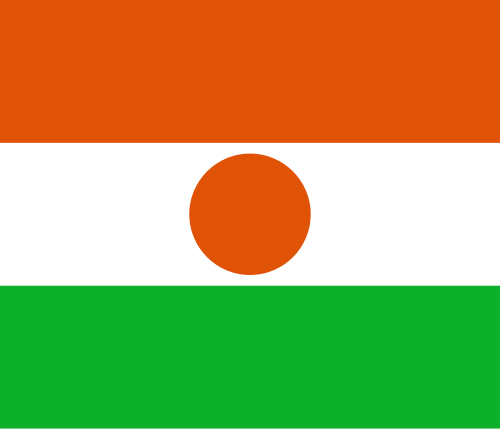 ニジェール:ニジェールはクーデターを「全面的に不承認」し、「すべての憲法違反の変更を非難する」と表明した。[ 121 ]
 ナイジェリア:ナイジェリア政府は、マリの「非憲法的な政府」を承認することを拒否し、クーデターを強く非難した。[ 122 ]
 ノルウェー:ヨナス・ガール・ストーレ外相は、マリの合法的に選出された政府と大統領に対するクーデターを非難し、軍に対し、できるだけ早く合法的な当局に権力を返還するよう促した。
 中華人民共和国:中国は「クーデターを非難した」。[ 123 ]
 ロシア:ロシアはクーデターを非難し、「軍事政権の指導者に対し、憲法秩序を回復し、民主的に選出された大統領の復権を確実にするよう要求した」[ 124 ] 。
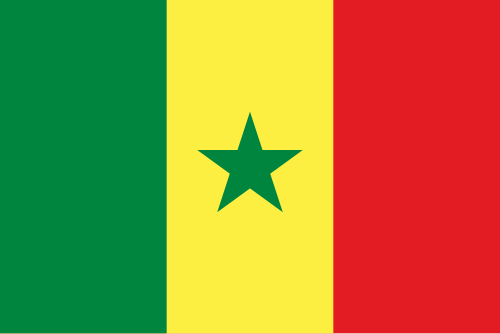 セネガル:セネガルは、クーデターに対するECOWASとAUの行動を支持すると表明し、西アフリカ諸国に対し「マリにおける法の支配をできるだけ早く回復する」よう呼びかけた。[ 125 ]
 南アフリカ:南アフリカはクーデターを非難し、バマコにある大使館を閉鎖した。[ 126 ]
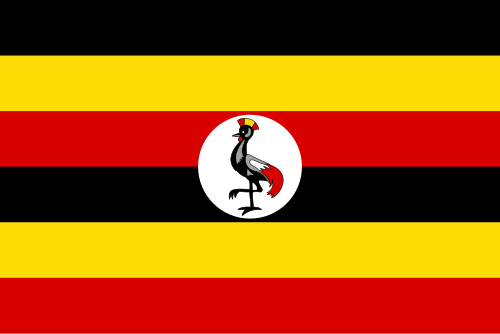 ウガンダ:ヨウェリ・ムセベニ大統領はクーデターを非難し、マリ軍に対し兵舎に戻り「国民に未来を決めさせよ」と呼びかけた。[ 127 ]
 英国:アフリカ担当大臣ヘンリー・ベリンガムは、クーデター未遂の報道について英国政府は「深く懸念している」とし、民主主義体制とマリ憲法を損なういかなる行動も非難すると述べた。[ 128 ]
 米国:米国務省報道官のビクトリア・ヌーランド氏は、米国は軍事政権の掌握を非難し、正当に選出されたトゥーレ政権を支持すると述べた。[ 129 ]米国のマリへの援助は3月26日に全て停止された。[ 49 ]しかし、4月20日、クーデター前にマリ軍を支援していた米軍兵士3人がバマコで自動車事故により死亡した。[ 130 ]彼らがマリに留まっていた理由については矛盾する説明がなされ、匿名の情報源によるとモロッコ人売春婦と特定された女性3人も車内で死亡した。[ 131 ] 1人はINSCOM所属で、残りの2人は対テロ作戦に従事する特殊作戦部隊であるSOCOMに配属されていた。[ 132 ]
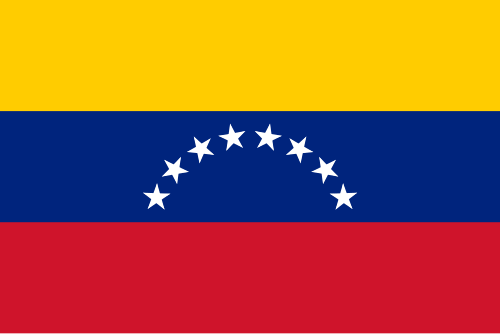 ベネズエラ:ウゴ・チャベス政権は「マリの人々との無条件の連帯」を表明するとともに、「クーデターを断固として拒否する」と述べた。[ 133 ]
クーデターは、国連西アフリカ事務所長のサイード・ジニットがAUサミットに出席し、危機の仲介を支援するために首都に滞在していた時に発生した。これに対し、世界銀行とアフリカ開発銀行は、 AUとECOWASのクーデターへの対応を支援するため、開発援助資金を停止した。[ 107 ]
アムネスティ・インターナショナルは、クーデターが「人権に関する不確実な時期」の前兆であるとの懸念を表明し、サノゴ軍に対し、政治犯を釈放するよう求めた。[ 134 ]ヒューマン・ライツ・ウォッチは、CNRDRに対し、「基本的な人権保護を回復」するとともに、民主的に選出された政府に権力を返還するための明確な期限を設定するよう求めた。[ 135 ]
The multinational corporationRandgold Resources' shares fell 13% following the coup, as it owns three gold mines in Mali. However, it asserted that its mining operations in Loulo and Gounkoto and its joint venture in Morila have no disruptions.[136]Gold Fields suspended operations in the country.[137]
{{cite web}}: CS1 maint: deprecated archival service (link){{cite news}}: CS1 maint: deprecated archival service (link){{cite web}}: CS1 maint: deprecated archival service (link)