
Loading article…
45°51′07″N84°37′03″W / 45.85208°N 84.61747°W / 45.85208; -84.61747
The Capture of Fort Mackinac was one of the first engagements of the War of 1812. A British and Native American force captured the island soon after the outbreak of war between Britain and the United States. Encouraged by the easy British victory, more Native Americans rallied to their support. Their cooperation was an important factor in several British victories during the remainder of the war.
Mackinac Island was a U.S. fur trading post in the Straits of Mackinac between Lake Michigan and Lake Huron. Since the mid-seventeenth century, it had been important for its influence and control over the Native tribes in the area.[1] British and Canadian traders had resented the island being ceded to the United States at the end of the American Revolutionary War.[2] The United States Army maintained a small fort, named Fort Mackinac, on the island.
The fur trade was the most important part of the economy of the large area known as the Northwest. Each spring, large numbers of Native Americans from modern Michigan, Minnesota and Wisconsin gathered at Mackinac or the (Canadian) North West Company's trading post at Sault Sainte Marie about 50 miles (80 km) distant to exchange furs for trade goods. Since the end of the American Revolutionary War, the British Government's policy had been to maintain friendly relations with the Native tribes,[3] and officers of the Indian Department distributed regular presents to them at the British military post at St. Joseph Island.[4] Many of the Native American tribes from the area were already opposed to the steady western expansion of American settlements and when war came, were eager to join forces with the British and Canadians or mount raids and attacks of their own.

アッパー・カナダのイギリス軍司令官、アイザック・ブロック少将は、1812年の初めから戦争の可能性が高まりつつあったため、セント・ジョセフ島の駐屯地司令官、チャールズ・ロバーツ大尉に状況を逐一報告していた。戦争勃発を知るやいなや、ブロックは著名な商人ウィリアム・マッケイ率いるカヌー隊をロバーツのもとへ送り、重要な知らせとマキノー島を占領するよう命令した。
マッケイは7月8日にセントジョセフ島に到着した。ノースウェスト会社の支援を受けて、ロバーツはすぐに王立砲兵隊の3名、第10王立退役軍人大隊のイギリス兵47名(ロバーツは後に「克服できないほどの酩酊で衰弱し、疲れ果てていた」と述べている[ 5 ])、カナダ人またはメティス(インディアンとの混血)の毛皮商人およびボヤジュール150名、毛皮の交易のために島に来ていたオジブワ(チペワ)またはオタワ族300名[ 6 ] 、そしてインディアン代理人ロバート・ディクソンによって現在のウィスコンシン州から募集されたスー族、メノミニー族、ウィネバゴ族110名からなる部隊の編成を開始した[ 7 ] [ 8 ]。
遠征の準備が進むにつれ、ロバーツはブロックからマキノー島への攻撃を中止し、その後再開するよう命令を相次いで受けた。カナダ全土のイギリス軍の副官長であるエドワード・ベインズ大佐も、ロバーツにセントジョセフ島の防衛に集中するよう命令を送った。[ 7 ]しかし、7月15日、ロバーツはブロックからさらに命令を受け、自分の裁量で行動できるようになった。先住民部隊が攻撃を許可されないと漂流してしまうことを恐れたロバーツは、すぐに出発した。[ 9 ]彼の部隊は、ノースウェスト会社所有の武装スクーナー「カレドニア」 、70隻の戦闘用カヌー、10隻のバトーに乗り込んだ。

マキノー砦は、島の南東端の港を見下ろす石灰岩の尾根に築かれた柵で囲まれた石造りの砦だった。アメリカ軍の駐屯部隊はポーター・ハンクス中尉率いる61名の砲兵と7門の大砲で構成されていたが、そのうち港まで届くのは9ポンド砲1門だけだった。[ 7 ]他にも弱点があった。駐屯部隊は真水を砦の外にある泉に頼っており、1マイルも離れていない高い尾根から見下ろされていた。
明らかに財政問題に気を取られていたアメリカ合衆国陸軍長官ウィリアム・ユースティスは、数ヶ月間ハンクスに何の連絡も送っていなかった。彼は6月18日に宣戦布告の知らせを北西部の司令官たちに普通郵便で送った。オハイオ州クリーブランドの郵便局長はこの知らせの重要性を認識し、デトロイトへ進軍していたウィリアム・ハル准将に届けるために速達の配達人を雇ったが、ハルとハンクスの両方が敵対行為の勃発に不意を突かれるのを防ぐには遅すぎた。[ 10 ]
ハンクスは他の場所での出来事については知らなかったが、セントジョセフ島で異常な活動が起きているという噂を耳にしていた。彼は民兵隊の将校の任官を受けていたマイケル・ドゥースマンという毛皮商人を調査に派遣した。ドゥースマンの船は進軍してきたイギリス軍に拿捕され、ドゥースマンはすぐに寝返ったようである。[ 2 ]

ドゥースマンからマキノーのアメリカ軍が戦争勃発を知らないことを知ったロバーツの部隊は、7月17日の早朝、島の北端にある後にブリティッシュ・ランディングと呼ばれる集落に上陸した。そこは砦から2マイル(3.2km)離れた場所だった。彼らは静かに村の住民を家から避難させ、6ポンド砲を森の中を通って砦の上の尾根まで運び、一発発射した後、休戦旗を掲げて砦の降伏を要求するメッセージを送った。[ 9 ]
ハンクスの部隊は不意を突かれ、すでに戦術的に不利な状況にあった。休戦旗には村人3人が同行しており、彼らはロバーツの部隊にいる先住民の数を大幅に誇張していた。[ 11 ]先住民による虐殺を恐れたハンクスは、[ 12 ]戦わずに降伏した。砦の守備隊は捕虜となったが、戦争の残りの期間戦わないという誓約を交わして釈放された。
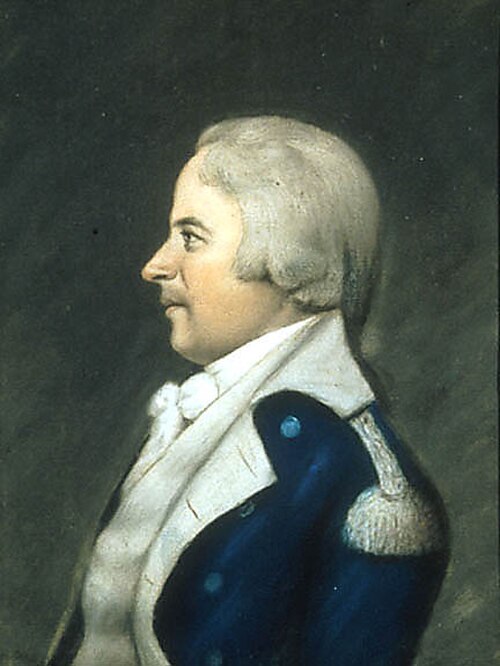
The island's inhabitants were given a choice to swear an oath of allegiance to the United Kingdom or leave within a month; most took the oath. Roberts arrested three deserters from the British Army and twenty alleged British citizens. There was no looting, although Roberts expropriated the goods in the United States storehouses and a government trading post[9] and purchased several bullocks to feed the Natives. The British abandoned their own fort at St. Joseph Island and concentrated their forces at Mackinac Island.
Of the Natives present, the Ottawa contingent had apparently remained aloof from the others.[5] They and most of the Chippewas later dispersed. At least some of the "Western Indians" (those recruited from Wisconsin and other territories to the west) proceeded south to join the warriors with Tecumseh at Fort Amherstburg. The mere threat of their arrival prompted the American Brigadier General Hull to abandon his invasion of Canadian territory and retreat to Detroit on 3 August.[13] The news of the loss of Mackinac also prompted several Native communities such as the Wyandots near Detroit, who had been friendly to the Americans or neutral, to rally to the British cause.[14] Their hostility influenced the U.S. surrender at the Siege of Detroit shortly afterwards. Lieutenant Hanks was killed by a cannon shot at Detroit shortly before the surrender, while awaiting a court martial for cowardice.
British control of Fort Mackinac and northern Michigan was not seriously challenged until 1814 when a large American force was dispatched to retake control of the area. However, the American force was defeated in the Battle of Mackinac Island and the Engagements on Lake Huron.
{{cite book}}: ISBN / Date incompatibility (help)