
Loading article…

The 2012 Buenos Aires rail disaster, also known as the Once Tragedy, occurred on 22 February 2012, when a train crashed at Once Station (Spanish: Estación Once de Septiembre; IPA:[ˈonse]) in the Balvanera neighbourhood of Buenos Aires, Argentina.
There were about 1,000 passengers on board when the crowded eight-carriage train, whose working brakes were not activated, hit the buffers at the end of the line, crushing the motor carriage and the following two carriages, after approaching the station at a speed of 26 km/h (16 mph). Fifty-one people were killed and more than 700 were injured;[1] the dead and seriously injured were in the first two carriages,[3] which were packed with people who had moved to the front of the train to be near the station exit on arrival.
The Sarmiento Line, on which the incident occurred, was operated by Trenes de Buenos Aires (TBA), owned by the Cirigliano brothers. It was the second fatal accident on the line within six months, following the September 2011 Flores rail crash, and the third-deadliest train accident in Argentina's history, after the Benavídez rail disaster in 1970 (which left 236 dead and 368 injured) and the Sa Pereira rail disaster in 1978 (which left 55 dead).[4]
カーニバル休暇明けの最初の営業日の朝のラッシュアワーに、16号列車はサルミエント線ローカルサービス3772としてモレノからオンセまで運行していた。 [ 5 ] [ 6 ]列車は駅に進入する際に時速約50km (30mph )と速すぎたと報告された。 [ 7 ]オンセ駅の線路の終端で停止できず、8時33分にARTは時速20km (12mph )の速度で緩衝器に衝突した。[ 8 ]電動車とそれに続く2両の客車は押しつぶされ、[ 9 ] 2両目の客車は1両目の客車に7メートル(23フィート)押し込まれた。[ 3 ]数人の乗客は衝突を爆発音のようだったと表現した。[ 10 ]

事故当時、現場周辺にはインフルエンザB型の発生に見舞われた船を待つ救急車が数台あり、負傷者を近隣の病院へ搬送するために使用された。[ 6 ]軽傷者は徒歩で事故現場を離れた。[ 6 ]市の民間防衛責任者によると、車両の硬くて複雑な構造のため、残骸の撤去が困難で、救助活動は難航したという。[ 6 ]
列車の運転士は事故から生還し、救助されて救急車で搬送された。彼を残骸から救出するには大勢の人手が必要だった。[ 6 ]彼は重傷を負っておらず、血中アルコール濃度の検査結果は陰性だった。[ 11 ]
サルミエント線は数時間にわたって通常運行を再開しなかった。路線の再開を求める人々は、墜落現場を警備していた連邦警察や兵士に瓶や棒、椅子などを投げつけたが、警察は数分以内に事態を収拾した。[ 6 ]
子供3人を含む51人の死亡が確認された。700人以上が負傷した。[1]事故現場と音声記録が調査され、事故原因が特定された。[12]
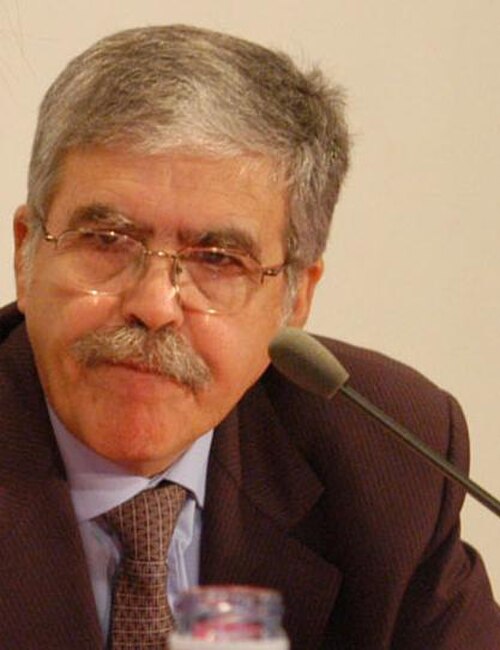
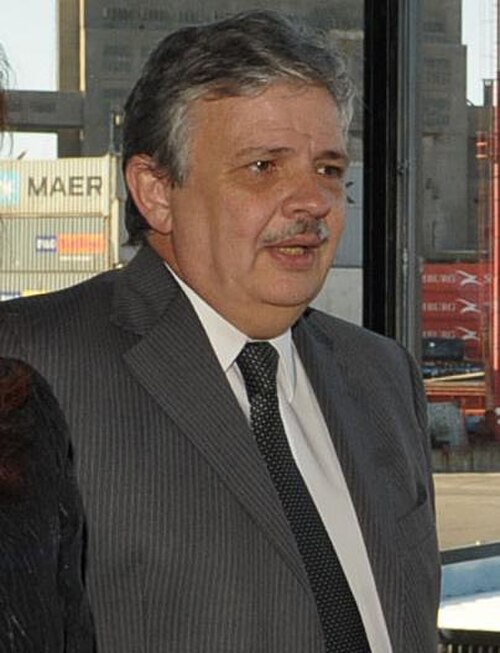
アルゼンチンのクリスティーナ・フェルナンデス・デ・キルチネル大統領は2日間の国家服喪を宣言し、カーニバルの祝祭を中止した。ブエノスアイレス自治市の政府首長マウリシオ・マクリとブエノスアイレス州知事ダニエル・シオリーも同様の措置をとった。[ 13 ]
運輸長官のフアン・パブロ・スキアビ氏は、政府が事故を調査すると発表した。同氏は、事故当時、運転手は十分な休息を取っており、労働報告も非常に良好だったと報告した。列車と駅のブラックボックスとセキュリティテープは連邦判事に引き渡された。[ 14 ]計画・公共投資大臣のフリオ・デ・ビド氏は、大統領府がサルミエント線の所有者であるTBAに対して訴訟を起こすと発表したが、[ 15 ]司法省は、政府関係者も事故に広範な責任を負う可能性があるとして、これを受け入れなかった。[ 16 ]
急進市民連合は、鉄道線路の状態についての説明を求め、線路の運営に対する適切な国家管理の欠如に関する以前の苦情を指摘し、スキアヴィの弾劾を提案した。 [ 17 ]また、議会にこの事件と政府の責任を調査する委員会を設置するよう求めた。[ 18 ]市民連合は、国家はこの事件に関与しているため原告にはなれないと指摘し、デ・ヴィドの発表を批判した。 [ 19 ]労働総同盟は、鉄道の全体的な劣悪な状態について苦情を述べ、この事故が問題を浮き彫りにしたと述べた。[ 17 ]アルゼンチン労働者中央連合は、列車のTBA管理の解任を要求した。[ 19 ]

The Foreign and Commonwealth Office of the United Kingdom regretted the incident and expressed its condolences to the "families of the victims" and the "emergency agencies that are still working to aid" those in the accident.[20] The Secretariat of Foreign Affairs of Mexico sent its condolences to the "sister country of Argentina" and hoped for the "speedy recovery of the families and those injured."[21]Pope Benedict XVI sent his condolences.[22]
Initially a union leader said that the train had been working well, and there had been no problems with the brakes at previous stations. Some passengers reported the same.[10] The driver, 28-year-old Marcos Antonio Córdoba, was taken into custody but later released by the investigating judge over the objections of the prosecutor after declaring under oath "I tried to brake twice, but the mechanism failed." He also activated the hand brake, which also failed.[1] A judicial source said Cordoba told investigators: "At each station he advised the dispatcher by radio that he had problems with the brakes." He reportedly said he was told to keep going.[23]
An event in Plaza de Mayo was arranged for 22 February 2014, to mark the second anniversary of the crash.[24]

On March 18, 2014, the trial began before the Federal Oral Criminal Court No. 2 (TOCF2), made up of judges Rodrigo Giménez Uriburu, Jorge Alberto Tassara and Jorge Luciano Gorini.[25]
In the trial, two facts were judged: on the one hand, the accident, with its sequel of deaths and injuries, and on the other hand, whether there was fraudulent administration in the administration of the railway company and ministerial management.[26]
The trial lasted almost two years. Among the most relevant acts is the court's decision to reject the conclusions of four of the six experts (engineers Horacio Faggiani, Julio César Pastine, Alejandro Héctor Leonetti and Raúl Díaz) and request that they be prosecuted for false testimony, which Judge Bonadío did.[27] In this context, the expert engineer Leonetti was arrested by the court.[28] Two years later the four experts would be acquitted.[29]
2015年12月29日、判決が下され、21人が有罪、7人が無罪となった。TBAのオーナーの一人であるセルヒオ・シリリアーノは懲役9年の判決を受けた。元運輸長官のフアン・パブロ・スキアビは懲役8年と公職への終身の禁止を言い渡された。もう一人の元運輸長官であるリカルド・ハイメは懲役6年と終身の禁止を言い渡された。運転手のマルコス・コルドバは懲役3年6ヶ月の判決を受け、さらに6年間列車の運転を禁止された。[ 30 ] [ 31 ]