
Loading article…
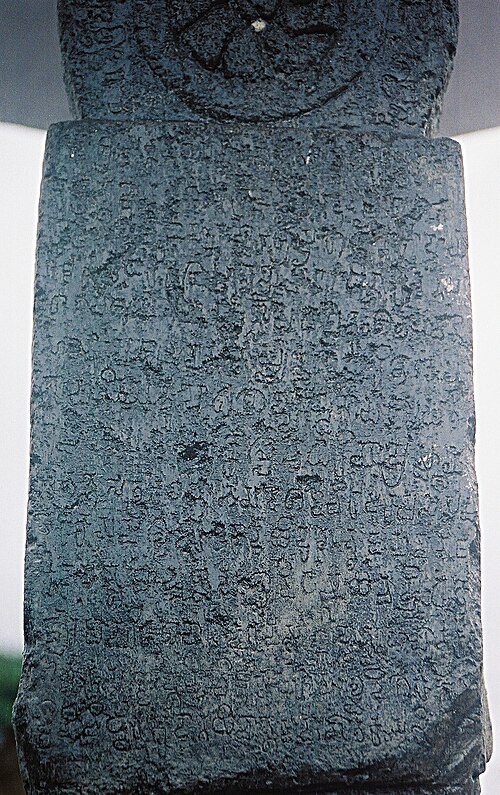
ベンガルール政府博物館は、マドラスに博物館を設立した外科医エドワード・バルフォアの指導の下、マイソール州によって1865年に設立され、マイソールの首席長官LBボウリングの支援を受けており[ 1 ]、インドで最も古い博物館の1つ[ 3 ]であり、南インドで2番目に古い博物館です[ 1 ] 。現在は考古学博物館であり、古い宝飾品、彫刻、コイン、碑文など、考古学的および地質学的遺物の貴重なコレクションを所蔵しています。この博物館には、最古のカンナダ語碑文(西暦450年)であるハルミディ碑文[ 4 ]も所蔵されています。

ベンガルールにある政府博物館は、LB ボウリングがマイソール州の首席長官を務めていた時期の1865 年 8 月 18 日に設立されました。 [ 1 ] 1866 年 4 月 17 日にマイソール政府官報に正式な公式通知が掲載されました。[ 1 ]そのコピーは現在もベンガルールのカルナータカ州立公文書館に保存されています。官報の通知では、博物館に展示するための文化遺産や自然遺産を市民に寄贈するよう正式に呼びかけていました。
この博物館は、マドラスからベンガルールに転属してきたマドラス軍の軍医、エドワード・G・バルフォアの助言と勧告により設立されました。[ 1 ]バルフォアは、1851年にマドラスに設立した博物館と同様の博物館を設立することを提案しました。バルフォアは、1851年の万国博覧会のためにコレクションを組織しました。バルフォアは、博物館で展示するための動物学および自然標本のコレクションを持っていました。[ 1 ]当時、バンガロールの政府博物館はマイソール政府博物館として知られており、1877年に開館した建物[ 5 ]は、当時シドニー通り(現在のカストゥルバ通り)に位置していました。[ 6 ]
博物館は当初、駐屯地の刑務所の建物に設立されました。[ 1 ] 1878年まで13年間そこで運営されました。
The jail building was considered not suitable for a museum and it was decided to construct a special museum building near the Cantonment. The current site of the museum was identified for the new museum. The new museum (the current structure) was planned and built in 1877[7] by Col. Richard Hieram Sankey, the Chief Engineer of Mysore State at that time.[1]
The museum was popularly known as the tamasha house (entertainment house).[1]
The museum is flanked by the Visvesvaraya Industrial And Technological Museum and the Venkatappa Art gallery. The museum is located centrally on Kasturba road. The museum is built in 1877 in the neoclassical architectural style. It has two porticos on either side, Corinthian columns, circular arches, sloping eaves and prominent sloping parapet walls.
The museum has two exhibition floors which are divided into 18 galleries. The galleries cover sections that span sculpture, natural history, geology, art, music and numismatics.
The museum is an archaeological museum and has a rare collection of archaeological and geological artifacts including old jewellery, sculpture, coins and inscriptions. The museum has 70 paintings, 84 sculptures, and hundreds of other artifacts, some of which unique to the museum.[2] The museum has sculpture from the Hoysala, Gandhara and Nolamba periods.
Neolithicpottery from excavations carried out at Chandravalli, excavations artifacts from Mohenjodaro, Halebid and Vijayanagar, terracotta from Mathura and weapons from Kodagu.[2] Many relics housed at the museum are as much as 5000 years old. The museum also houses rare paintings of Deccan, Mysore and Tanjore kingdoms are found.
この博物館には、ティプー・スルタンの要塞であるシュリーランガパトナの模型が展示されている。また、ティプーの時代に作られた、ペルシャ語の二行連句が12篇刻まれた石板も所蔵されている。さらに、様々な古い楽器も展示されている。中でも、タンジョール様式の64人のナヤナーマルを収めた枠組みは、他に類を見ない貴重な展示品である。
この博物館の貴重なコレクションには、最古のカンナダ語碑文であるハルミディ碑文(西暦450年)[ 4 ] 、ベグル碑文(西暦890年)[ 8 ] 、アタクル碑文(西暦949年)の石板が含まれています。
博物館は、その歴史の初期には多くの来館者を集めていました。英国人が記録した博物館の記録によると、1870年代の年間平均来館者数は28万人、20世紀初頭には40万人以上でした[ 2 ]。博物館関係者によると、年間来館者数は国内外の観光客を含めて9万人を超えています[ 2 ] 。
博物館は改修工事のため一時的に閉館しています。報道によると、閉館期間は約1年とのことです。[ 9 ]
カルナータカ州考古学局が博物館を管理しており、考古学・博物館局の管轄下にある。[ 10 ]インドの第13次財政委員会は、カルナータカ州に対し、遺跡の保存と博物館の発展のために10億ルピー の補助金を承認した。 [ 10 ]


