
Loading article…
The Supreme Court of Puerto Rico (Spanish: Tribunal Supremo de Puerto Rico) is the highest court of Puerto Rico, having judicial authority to interpret and decide questions of Puerto Rican law. The Court is analogous to one of the state supreme courts of the states of the United States and is the highest state court and the court of last resort in Puerto Rico.[1][2]Article V of the Constitution of Puerto Rico vests the judicial power in the Supreme Court, which by nature forms the judicial branch of the government of Puerto Rico. The seat of the Supreme Court is the Supreme Court Building in San Juan Islet in the capital municipality of San Juan.[3]
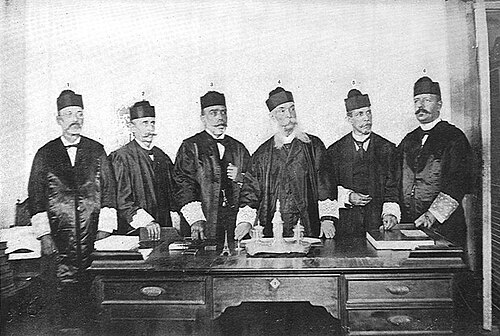
The first Supreme Court of Puerto Rico was established following the Spanish-American War to replace the Real Audiencia de Puerto Rico that had been in place since the early 19th century.[4] This body had a single room to deal with criminal and civil cases and was presided ex oficio by the governor of Puerto Rico (first by Miguel de la Torre) until 1891, also including the regent, a prosecutor and a number of oidores or judges.[5] On January 5, 1891, a royal decree changed the composition to include a Chief Justice, a courtroom president, a chief prosecutor, an assistant prosecutor, atax lawyer, a government secretary and four magistrates, none of which could be originate from Puerto Rico or married to someone born in the island.[5] During the final stages of the Spanish administration, the institution was composed by president Venacio Zorilla, courtroom president Nicolás Lillo Rodas, prosecutor Enrique Díaz Guijarro and magistrates Antonio Martínez Ruiz, José Conrado Hernández (subject to an exception, due to being Puerto Rican), Arístides Mariagliano and Francisco Vasco y Vasco.[6]
アメリカ軍の占領下では、一般命令1号により、法制度は当初スペイン統治下で作られた構造を維持しながら、アメリカ合衆国の国旗に忠誠を誓うよう促された。[ 7 ] 1898年9月21日、フアン・モレラ・マルティネスが補助補佐判事に任命され、ホセ・セベロ・キニョネス・イ・カロとグランシスコ・デ・パウラ・アクニャ・イ・パニアグアがヴァスコとウジョアに代わって暫定判事に任命された。[ 8 ]最高裁判所やその管轄を確立する軍事命令はなく、むしろある法制度から別の法制度への移行であり、1898年11月までに「最高裁判所」という用語が公式文書でプエルトリコ裁判所を完全に置き換えた。[ 9 ] 1898年10月27日、軍事政権は控訴裁判所(「行政訴訟裁判所」として知られる)を解散し、一般命令4号によりその機能を最高裁判所に統合した。[ 9 ] 1898年12月14日、ガイ・V・ヘンリーは再びモレラを最高裁判所に任命した。[ 9 ]
一般命令19は一般命令4を批准し、最高裁判所の構成と機能を正式に確立し、7人の判事(裁判長を含む)と、サンフアンからの補佐判事または第一審判事によるこれらの交代を定めた。[ 10 ]アリスティデス・マラリアーノは判事の職にとどまり、他の判事は再配置され、アクーニャが検察官、コンラードが法廷長、キニョネスが最高裁判所長官となった。[ 10 ]ホセ・デ・ディエゴ・マルティネスとホセ・マリア・フィゲラスはそれぞれ10月28日と29日に任命された。[ 11 ]ラファエル・ニエト・アベイエは11月3日に指名された。[ 11 ]他のプエルトリコ人、ラファエル・ロメウ・アグアヨとアンヘル・アコスタ・キンテロ(当初は暫定として任命されたが、正式な職務に昇格)が判事と副検察官としてこの裁判所を完成させた。[ 11 ] 1か月後、デ・ディエゴはマヤグエスに転任し、アコスタはガイ・V・ヘンリーによって判事として承認された。[ 12 ]フェリペ・クチ・アルナウが副検事に就任した。[ 13 ] 1899年2月9日、アルナウは国務長官に就任するため辞任し、ロメウが後任となり、クチが判事として後任となった。[ 13 ] 1899年3月17日、マラリアーノが辞任し、エドゥアルド・アクニャ・アイバルが後任となった。[ 14 ]夏の間、ニエトはデイビスによる司法委員会の設立に伴い司法長官に任命され、ルイス・デ・エアロ・イ・ドミンゲスが暫定的に務めた。[ 15 ]
1899年8月7日、ジョージ・W・デイビスは一般命令114号を発布し、最高裁判所の判事2名を削減し、アコスタ、アルナウ、アクニャをサンフアン地方裁判所に再配置した。[ 14 ]アコスタは1899年9月25日に代行を務めた。[ 14 ] 1900年5月までに、ニエトはデ・エアロを解任して職務に復帰した。[ 14 ]フォラカー法の施行により、米国大統領は最高裁判所の判事を指名する任務を負い、モレラを除く全員を留任させ、モレラはルイス・スルザバッハーに交代した。[ 16 ] 1903年3月12日、立法議会は最高裁判所の機能を上告裁判所ではなく控訴裁判所に変更し、この形式はその後数十年間維持された。[ 16 ]正確な詳細を知らなかったロバート・H・トッドは、エル誌に掲載された記事の中で、初代最高裁判所の構成員はホセ・セベロ・キニョネス裁判長、ホセ・コンラード・エルナンデス法廷議長、フアン・モレラ・マルティネス、ホセ・デ・ディエゴ、ホセ・マリア・フィゲラス、ラファエル・ニエト・アベイレ、ルイス・デ・アロ・イ・ドミンゲスであると主張した。ムンドは1940年6月26日、後に自身の主張を再考し、アコスタとクチーの功績を認めた。[ 17 ]

プエルトリコ最高裁判所は、1900年にフォラカー法によって設立され[ 18 ]、1952年のプエルトリコ憲法でも維持されている[ 19 ]。これは憲法で義務付けられている唯一の上訴裁判所である。他のすべての裁判所はプエルトリコ立法議会によって設置される。しかし、プエルトリコはアメリカ合衆国の主権下にあるため、群島と島のための連邦地方裁判所も存在する[ 20 ] 。
裁判官(現在8名、1名欠員)はプエルトリコ知事によって任命され、上院の多数決で承認される。裁判官のうち1名が首席判事を務め、残りのメンバーは陪席判事に指名される。アメリカ合衆国最高裁判所とは異なり、プエルトリコ最高裁判所の裁判官は終身制ではなく、プエルトリコ憲法ではすべての裁判官は70歳に達したら退職しなければならないと定められている。[ 19 ]
プエルトリコ憲法は裁判所を5人の裁判官で構成することを規定しているが、裁判所自身の請願によってのみ人数を変更できるという条項も含まれている。この条項は裁判所の歴史の中で4回使用された。憲法批准直後、裁判所は2人の裁判官の追加を求めた。1960年代初頭、裁判所は再び2人の裁判官の追加を請願し、訴訟が滞っていると主張した。その後、1970年代には、裁判所は滞っていた訴訟が処理されたと主張し、裁判官の数を7人に戻すよう求めた。最後に、2010年に裁判官の4対3の多数決で、裁判所の裁判官数を再び9人に増やすよう立法議会に請願した。このような要請が裁判官全員一致で行われなかったのは初めてであるため、この決定は論争を巻き起こした。[ 21 ]
プエルトリコ最高裁判所の管轄権は、プエルトリコ憲法およびプエルトリコの法律によって定められています。一般的に、その管轄権構造は、アメリカ合衆国本土の州最高裁判所の構造と類似しています。プエルトリコ最高裁判所は、連邦法の解釈に関して連邦裁判所と併存する管轄権を有しており、ただし、最高法規条項によって別段の定めがある場合はこの限りではありません。連邦法に基づく判決は、プエルトリコ連邦法に基づく適切かつ独立した根拠が存在しない限り、アメリカ合衆国最高裁判所による審査を受ける可能性があります。同裁判所は司法審査権を有し、その判決はプエルトリコの管轄区域内において拘束力のある判例とみなされます。プエルトリコ最高裁判所は、プエルトリコにおける弁護士業務も規制しています。
プエルトリコ最高裁判所の会期は、10月の第1月曜日に始まり、翌年の6月の最終週に終了します。ただし、7月から9月までの休会期間中は、3名の裁判官による交代制の合議体が審理を行い、その判決は拘束力のある判例となります。しかし、立法議会が可決した法律を違憲と判断するには、最高裁判所の全構成員の過半数の賛成票が必要となるため、3名の裁判官による合議体は、立法議会が可決した法律に対する憲法上の異議申し立てを審理することはできません。
The justices decide whether or not to hear oral arguments for the case. If the case is controversial or carries high public interest, an oral argument may be scheduled, although oral arguments were rare under Chief Justice Hernández Denton. When oral argument occurs, each side has twenty-five minutes to state its respective claims and five minutes for rebuttal. After the sides have ended their argument, each justice has ten minutes (in order of seniority) to ask questions to each side. Justices may decide to yield the balance of their time to one of their colleagues.
Because several Federal judges have voluntarily withdrawn from the Puerto Rico Bar Association and was converted by statute into a voluntary membership organization, the Supreme Court of Puerto Rico maintains the official bar records of Puerto Rico licensed attorneys.
The Chief Justice is the presiding officer of the Supreme Court, and amongst its functions it directs the administration of the different courts, chairs the Constitutional Redistricting Board which revises Puerto Rico's senatorial and representative districts after every decennial census, and presides at the impeachment trial of the Governor of Puerto Rico.[22][23][24]

During much of the 20th century, the court system in Puerto Rico had consisted of Municipal Courts, District Courts, and the Supreme Court. Cases could be appealed from Municipal Courts to commonwealth District Courts. From the commonwealth District Courts cases were then appealed to the Commonwealth of Puerto Rico Supreme Court.[26] Municipal and District courts have existed in Puerto Rico since at least the 19th century.[27] When the United States invaded the island, it set to reorganize the judicial system. The U.S. military regime in Puerto Rico promulgated Order 118 of 1899, by which the system of Criminal Courts and Courts of First Instance and Investigation were replaced by five district courts in San Juan, Ponce, Mayaguez, Arecibo and Humacao.[28]
プエルトリコの最高裁判所への任命は、伝統的に政治化され、しばしば物議を醸すプロセスであった。プエルトリコの知事は通常、自身の政党に所属する人物を任命する。[ 29 ]例えば、ルイス・ムニョス・マリン知事は、16年間の知事在任期間中、プエルトリコで最大の政治的少数派である州昇格派を代表していたにもかかわらず、ラファエル・エルナンデス・マトスという州昇格派の人物を一人だけ最高裁判所に任命した。 2005年から2009年までの4年間、州知事はコモンウェルス派のアニバル・アセベド・ビラ、上院議長は州昇格派のケネス・マクリントックが務め、党派が分裂した政権下では、2005年にバルタサル・コラダ・デル・リオ判事 が退任し、2007年にハイメ・フステル判事が死去、2008年にフランシスコ・レボロ判事が退任したにもかかわらず、判事の任命は行われなかった。半世紀以上にわたり、最高裁判所は人民民主党に所属する判事によって支配されてきたが、2009年2月、空席が積み重なったため、州昇格派のルイス・フォルトゥーニョ知事が3つの空席を埋めることができた。すでに最高裁判所にいた別の州昇格派知事によって任命された判事1名を加えると、州昇格派によって任命された判事が最高裁判所の過半数を占めることになった。[ 29 ] 1952年以降、 4人の女性が判事に任命されており、そのうちの1人、ミリアム・ナベイラは1年間最高裁判所長官を務めた。アフリカ系プエルトリコ人で最高裁判所に勤務したのはエリック・コルトホフ判事ただ1人である。彼はまた、最高裁判所で唯一のプロテスタントである。
アレハンドロ・ガルシア・パディージャ知事によって任命されたリアナ・フィオル・マッタは、最高裁判所長官の職に就いた2人目の女性であり、 2004年にシラ・カルデロン知事によって任命されたフェデリコ・エルナンデス・デントンの後任となった。エルナンデス・デントンは、それ以前の1985年から2004年まで陪席判事を務めていた。その職務において、エルナンデス・デントン最高裁判所長官は、アニバル・アセベド・ビラ知事とルイス・フォルトゥーニョ知事の就任宣誓を行った。最高裁判所長官は、プエルトリコの司法部門の管理者でもある。
その後、2016年にオロノス判事が承認され、同裁判所に所属する初のレズビアン判事、そして3人目の女性判事となった。 [ 30 ]また、この時、4人の女性判事が同時に同裁判所に在籍し、史上最多の女性判事となった。[ 31 ]
プエルトリコ最高裁判所の再編は、いくつかの重要な判決につながった。スアレス・カセレス対CEE事件では、最高裁は、政治的地位に関する住民投票に「上記以外」の選択肢を含めることを義務付けた以前の判決を覆した。この選択肢は、1998年の政治的地位に関する住民投票で絶対多数の票を獲得していた。
4対3の多数決で、裁判所規則第5条が改正され、各事件の多数派側の最上級判事が多数意見を執筆する裁判官を決定できるようになった。これは米国最高裁判所の慣行である。以前は、たとえ事件の少数派側であっても、最高裁判所長官が裁判所の意見の執筆を指名していた。[ 32 ]
From 1915 to 1961, decisions of the Puerto Rico Supreme Court could be appealed to the United States Court of Appeals for the First Circuit. In earlier years, the First Circuit frequently reversed the Puerto Rico Supreme Court, sometimes attempting to impose its own interpretations of Puerto Rico's civil law legal norms despite the Boston-based court's unfamiliarity with Puerto Rico jurisprudence, until a series of opinions by United States Supreme Court Justice Oliver Wendell Holmes instructed that the Puerto Rico Supreme Court's interpretations were not to be overturned by the federal appeals court unless they were "manifestly wrong."
With the standard of review so limited, and especially after Puerto Rico attained Commonwealth status under the 1952 Constitution, the route for appeals was deemed anachronistic and was repealed in 1961 providing Puerto Rico with a judicial state-federal court structure equal to that of States.[33]
Today, decisions of the Puerto Rico Supreme Court are as final as those of any state supreme court and are reviewable by the Supreme Court of the United States only pursuant to a writ of certiorari, when an important question of federal law is involved.
Conflicts between the Puerto Rico courts and the federal court do arise from time to time. According to the 1952 Constitution of Puerto Rico, the jurisdiction of the Supreme Court is only for laws of the Commonwealth of Puerto Rico. However, on several occasions the U.S. District Court for the District of Puerto Rico has taken jurisdiction on cases having to do with Puerto Rican law.
In 2016, the US Supreme Court decided in the case of Puerto Rico v. Sanchez Valle that on the point of double jeopardy, Puerto Rico was not sovereign and so it could not charge someone with crimes that the person had already been tried for by the United States.[34]
A highly controversial instance occurred in November 2004, when the Supreme Court of Puerto Rico declared that all ballots should be counted during the Puerto Rican general election, 2004.[35] The New Progressive Party brought the matter to the Federal Court and claimed that some of the ballots were applied. Federal Judge Daniel R. Domínguez took jurisdiction of the case, in a ruling that would effectively have nullified the decision of the Supreme Court. However, on December 15, 2004, the First Circuit Court of Appeals reversed Domínguez's decision and found that questions on the electoral process of Puerto Rico are matters reserved for the Puerto Rico local court system, headed by the Supreme Court of Puerto Rico.[36]
The highest court within the local jurisdiction is the Supreme Court of Puerto Rico.
[ ... ]of the highest court of law on the island.
参考文献
 ウィキメディア・コモンズにあるプエルトリコ最高裁判所関連のメディア