
Loading article…
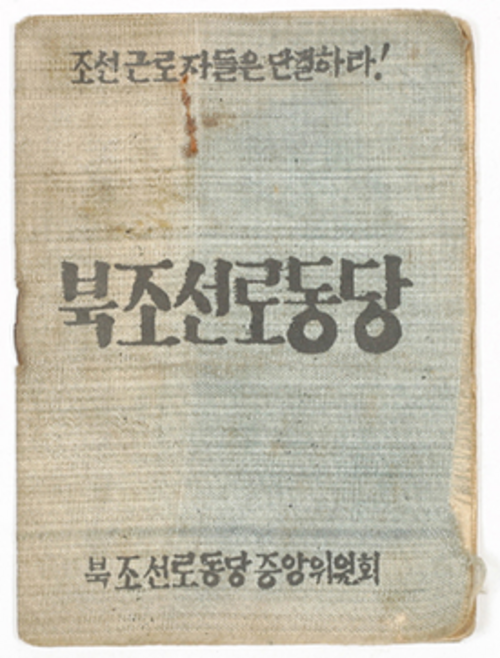
北朝鮮労働党(朝鮮語: 북조선로동당、ハンチャ語: 닞動黨)は、1946年から1949年まで北朝鮮に存在した共産党であり、現在の朝鮮労働党の前身である。1946年8月28日から30日にかけての大会で、北朝鮮共産党(同年、朝鮮共産党の北部支部がソウルの中央委員会から独立して設立)と朝鮮新人民党が合併して設立された。[ 1 ] [ 2 ] [ 3 ]新人民党の指導者である金拓峰が党主席に選出され、朱英河と金日成が副主席に選出された。[ 4 ]設立当時、党には約12,000の党細胞に組織された約366,000人の党員がいたと考えられている。[ 4 ] [ 5 ]

朝鮮共産党北朝鮮局と新人民党の合併は、第二次世界大戦後の東欧で起こった同様の合併、例えばドイツ社会主義統一党とハンガリー労働者人民党の結成に類似していると見ることができる。両党の合併は容易ではなかった。両党の間には、幹部の社会的背景やイデオロギー的特徴において違いがあった。新人民党は知識人の支持を多く得ていたのに対し、共産党は主に労働者と農民を基盤としていた。さらに、朝鮮共産党は内部対立に悩まされており、新しい統一党内にもさまざまな共産主義派閥が存在していた。新党の設立当時、マルクス・レーニン主義を党のイデオロギー的基盤とする役割について議論が起こった。党の設立大会で、金日成は「…労働者党は戦闘部隊であり、労働者大衆の先鋒である。我々は党の純粋性、統一性、鉄の規律を維持するために全力を尽くして戦わなければならない。もし我々が党内でこれらの条件を満たさずに敵と戦うならば、それは愚行以外の何物でもない」と述べ、マルクス・レーニン主義の方向性を維持することを主張した。[ 4 ]
大まかに言えば、党はソ連朝鮮派、国内派、延安(または中国)派、ゲリラ派という4つの独立した内部派閥から構成されていた。[ 6 ]これらの派閥区分は主に朝鮮共産党から引き継がれたものであり、そのうちの1つ(「国内」派)は韓国労働党でも広く見られた。
The factions were represented proportionately in the leading bodies of the party. In the first politburo of the party the Soviet faction had three members, the Yanan faction had six, the domestic faction had two and the guerrilla faction had two. The guerrilla faction was actually the smallest of the factions in the Central Committee but they had the advantage of having Kim Il Sung, who led the North Korean government and was highly influential within the party. Moreover, Kim Il Sung was backed by the Soviet Union.
Both parties had belonged to the North Korean Fatherland United Democratic Front, and the unified party became a dominant force in the front after the merger. The party held 36% of the seats in the People's Assembly of North Korea and Kim Tu-bong became the Chairman of the Assembly. Kim Il Sung became the Chairman of the People's Committee of North Korea, the provisional government structure. In the Village People's Committee and Ward People's Committee elections of 1947, 57.7% of the 70 454 seats were held by members of the Workers Party.[12]
At the meeting of the Presidium of the Central Committee of the Party on 16 September 1947, Kim Il Sung gave a speech of the cultural policy of the party. The speech was later published as 'On Developing Literature and the Arts and Activating Mass Cultural Work', and remains the basis for cultural policy in the DPRK.[13]
In early 1947, a purge was undertaken against the 'domestic' communist faction. Between 40,000 and 60,000 party members were expelled.[4]
The party held its second congress from 27 to 30 March 1948.[14] By the time of the second party congress, the party claimed 725,762 members, organized in 29,762 party cells.[5]
第2回党大会では、呉基燮、鄭達賢、崔永達、李奉洙といった「国内」共産主義派の指導者たちが金日成から攻撃を受けた。呉基燮は党中央委員に再選されたものの、小規模な政府系企業の役職に降格された。
金日成は党大会で演説し、「国内」派閥を攻撃する中で、「わが党は、適切な政治的任務を遂行するためには、散在し組織的に弱い地方組織や地方組織を北朝鮮の強力な中央組織の下に統合する必要があると認識した。そのため、1945年10月中旬に朝鮮共産党北朝鮮中央委員会を設立することが決定された。しかし、党内の一部の同志は過去のセクト主義に囚われていた。彼らは過去と同様に、自己中心的で自己重要感に満ちた生活を送り、小さな地方グループに閉じこもり、党の仕事を一切行わず、上位組織にも従わなかった。そのため、視野が狭く、個人主義に傾倒していたこれらの小グループの指導者たちは、『(ソウルの)中央本部を支持する』という口実で、北朝鮮中央局の設立に反対した。彼らは自らの企みを隠すために、『北朝鮮支部を設立すれば党を分裂させることにおいて。[ 4 ]
1948年9月初旬に最高人民会議が開催された際、212人の代表のうち102人が労働党出身であった。最高人民会議は朝鮮民主主義人民共和国の建国を宣言し、労働党副主席の金日成を首相に任命した。[ 12 ]
同党は、北朝鮮民主青年同盟、北朝鮮労働組合総連合会、北朝鮮民主婦人連合会、北朝鮮農民協会連合会など、幅広い大衆組織のネットワークを管理していた。これらの組織は、1946年8月の党設立に先立って結成されていた。[ 15 ]また、同党は消費者協同組合も管理していた。[ 16 ]
同党は『労働新聞』と『君路雑誌』を発行した。これらの出版物の発行開始は、第1回党大会で決定された。[ 14 ]『労働新聞』は党のマス新聞であり、『君路雑誌』は党の理論雑誌であった。両機関は後に朝鮮労働党に引き継がれた。[ 17 ]