
Loading article…
国際赤十字(ロシア語の略称MOPR [ 1 ]としても知られる)は、国際的な社会奉仕組織であった。MOPRは1922年にコミンテルンによって設立され、 「国際政治赤十字」として機能し、世界中の急進的な「階級闘争」政治犯に物質的および精神的な援助を提供した。
国際労働者援助協会(通称ロシア語の頭字語MOPR)[ 1 ]は、コミンテルン第4回世界大会の指令に応えて1922年に設立された。この指令は、すべての共産党に対し「投獄されている資本主義の囚人すべてに物質的および精神的援助を提供する組織の設立を支援する」よう訴えるものであった[ 2 ] 。
ジュリアン・マルフレフスキ=カルスキは、新組織の統治機関であるMOPR中央委員会の委員長に任命された。1924年以降、この指導機関の名称は執行委員会に変更された。[ 2 ]
MOPR中央委員会の第1回総会は、1923年6月にモスクワで開催された。この会合で、MOPRはすべての国、特に革命運動に対する白色テロに苦しむ国々に支部を設立すべきであると決定された。
MOPRの最初の国際会議は、1924年7月にコミンテルンの第5回世界大会と同時に開催された。
MOPRロシア支部の責任者であり、国際組織の中央委員会の副委員長であったエレナ・スタソワによれば、1928年1月1日時点で、MOPRは44の国別支部で合計890万人の会員を擁していた。スタソワによれば、1931年1月1日までに、MOPRの活動範囲は58の国別組織に拡大し、会員総数は830万5454人に達した。 [ 3 ]スタソワによれば、その時点で国際組織は19言語で合計56の定期刊行物を維持していた。[ 4 ]
スタソワは、組織には2つの形態が存在すると指摘した。1つはソ連、ドイツ、フランス、アメリカ合衆国などの「大衆組織」であり、もう1つは「委員会型の組織」で、大規模な会員組織を設立しようとはせず、政治犯とその家族への法的および物質的な援助に限定されていた。[ 5 ]
Stasova emphasized the ongoing difference between MOPR and Workers International Relief, another branch of the Comintern's international apparatus. "The difference is this", she noted in 1931, "we are assisting the political prisoners and the Workers International Relief assists at the time of economic strikes, at the time of the economic struggle."[6]
The 1st World Congress of MOPR was held in November 1932. At that gathering it was announced that as of January 1 of that year, MOPR had established 67 national sections outside of the USSR, with 1,278,274 members.[7]
MOPR was headed by Elena Stasova until 1937, after which time its international character was deemphasized.
As of 1924, the organization had national affiliates in nineteen countries. By 1932, it claimed sixty-two affiliates (excluding the Soviet Union) with a total of 1,278,274 individual members.[7]
The International Red Aid made its first appearance in Spain as a charity organization during the workers' revolt of October 1934 in Asturias. It provided aid to those imprisoned for their role in the rebellion, and organized amnesty campaigns for prisoners that were to be executed.
The organization, which included many artists and writers, was later re-formed and expanded in Barcelona in January 1936, with the aim of opposing fascism on multiple fronts.
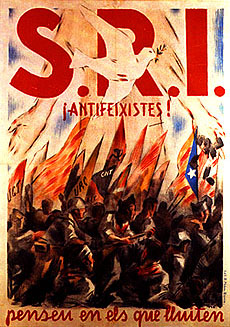
During the Spanish Civil War, the writer Joaquín Arderíus served as the organization's president before exiling himself to France and then Mexico. The SRI (Socorro Rojo Internacional) created soup kitchens and refugee camps throughout the territory controlled by the Republicans, and also provided libraries for Republican soldiers, but many of their programs; as well as the food and aid that it collected- were focused on providing aid for children. For example, the SRI founded the Escuela Nacional para Niños Anormales (National School for Mentally Disabled Children) in Madrid, with 150 students. It also founded a Children's Park on the outskirts of Madrid, providing shelter to an additional 150 children.
Other activities included:
医療面での貢献としては、275の病院の設立、救急車の運行、矯正歯科クリニックと歯科大学の設立、歯科衛生キャンペーン、歯科医の動員などがあった。当時スペインの小規模なマルクス主義政党であったマルクス主義統一労働者党( POUM )は、国際赤軍に対抗して、POUMのソコロ・ロホを並行して組織した。 [ 8 ]
スペイン内戦勃発時にスペイン共産党によって設立された第5連隊(1937年1月21日解散)の兵員数も、 SRI(ソ連共産党)のメンバーによって増加した。ソ連赤軍を基盤とする第5連隊は、フアン・モデストやエンリケ・リステルらを指導者として擁し、1936年を通して主にマドリードとその周辺での戦闘に従事した。SRIはまた、国民党支配下のスペインにいる共産主義シンパが友好地域へ移動するのを支援した。
SRIの記章は、刑務所の鉄格子の中に「S」(ソコロの頭文字)が描かれたものだった。
国際赤十字のオランダ支部は1926年に最初の大会を開催した。[ 9 ]同年、同支部は『赤十字の助け』の発行を開始した。[ 10 ]
フィンランド赤軍は1930年代にフィンランド共産党の主導で活動し、フィンランドの刑務所に収監されている革命家囚人を支援した。赤軍に関係する女性たちは、組織の活動資金を調達するために手工芸品を作ったり、バザーを組織したりした。また、この組織は囚人への虐待に反対する世論を喚起しようとした。フィンランド赤軍は『Vankien Toveri』を発行した。[ 11 ]
1920年代末頃、ファラブンド・マルティはラテンアメリカにおける国際赤軍の指導者となった。[ 12 ] 1926年からメキシコに亡命していたキューバの共産主義指導者フリオ・アントニオ・メラは、同組織のメキシコ支部の指導的人物であった。[ 13 ]
MOPRの中で最大の支部はソ連支部であり、組織の国際会員の大半を占めていた。MOPRは数多くの宝くじや募金活動を企画・実施した。
MOPRの支部は1933年にマダガスカルに設立された。 [ 15 ]
1932年当時、MOPRのポーランド支部は6,000人の会員のうち90%がユダヤ人であった。[ 16 ]
…)1932年には、MOPRの6,000人の会員のうち、約90パーセントがユダヤ人だった。