
Loading article…
1348年のフリウリ地震は、南アルプス地方のフリウリを震源として、1月25日にヨーロッパ全土で感じられた。この地震は、イタリアで大疫病が猛威を振るったのと同じ年に発生した。[ 3 ]当時の資料によると、この地震は建造物に甚大な被害をもたらし、教会や家屋が倒壊し、村々が破壊された。
フリウリ地方は、アドリアプレートとユーラシアプレートの継続的な収束の結果として、南アルプスの西南西-東北東方向の衝上断層帯とディナルアルプスの北西-南東方向の衝上断層帯が重なり合う複雑な地質構造の地域に位置しています。1348年の出来事は、ペリアドリアティック衝上断層の一部での動きの結果であると示唆されています。[ 4 ]
震源はトルメッツォ、ヴェンツォーネ、ジェモナの東に位置し、震度は欧州震度階級で8~9 (リヒター・スケールで約6.9 )でした。報告された被害のほとんどは、北イタリア、現在のフリウリ=ヴェネツィア・ジュリア州、隣接するベッルーノ、ヴィチェンツァ、ヴェローナの各県からロンバルディア州とヴェネツィア州、さらに北と東のケルンテン州[ 5 ]とカルニオラ(現在のスロベニア)に及んでいました。余震は3月5日まで続きました。
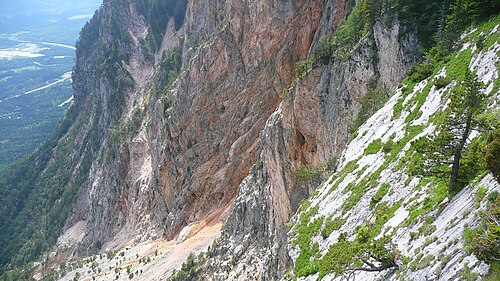
Striking in the early afternoon, the earthquake caused hundreds of casualties and destroyed numerous buildings. In Udine, the castle and the cathedral were severely damaged. In Carinthia, the town of Villach and numerous surrounding villages were largely destroyed by a major landslide followed by a flood of the Gail River.[5] Even in Rome the earthquake allegedly took a toll: considerable damage was sustained by the Basilica of Santa Maria Maggiore; in the Torre delle Milizie, an upper floor crumbled, and the structure assumed the slight tilt it retains today. The sixth-century basilica of Santi Apostoli was so utterly ruined that it was left in an abandoned state for a generation.
The earthquake coincided with the beginning of the Black Death in Europe; in contemporary minds the two disasters were connected, as acts of God, but accepted as something both tremendous and unexpected, and yet which also belonged to daily life.[5] The historian of medicine A. G. Carmichael observes, "The earthquake of 25 January 1348 is likely to have fuelled and focused specifically apocalyptical fears more than plague did."[3] The only explicit reference to the earthquake as an omen of the end of the world comes in the chronicle of Giovanni Villani. Guglielmo Cortusi of Padua, as well as the bankers of Udine, saw it as a memento mori and a sign to repent, but not of imminent apocalypse.[5] The earthquake figured in the diary of the German nun Christina Ebner, and was reported in numerous city and abbey chronicles, which have given modern historians opportunities of making the "Friuli event" one of the most thoroughly studied medieval earthquakes.
 アルノ、ボルスト(1981年12月)。 「Das Erdbeben von 1348: Ein historischer Beitrag zur Katastrophenforschung」[ 1348 年の地震: 災害研究への歴史的貢献]。Historische Zeitschrift (ドイツ語)。233 (3)。ミュンヘン、ドイツ: Oldenbourg Wissenschaftsverlag: 529– 569. doi : 10.1524/hzhz.1981.233.jg.529。ISSN 0018-2613。JSTOR 27622527。OCLC 256491978。S2CID 164347099。