
Loading article…
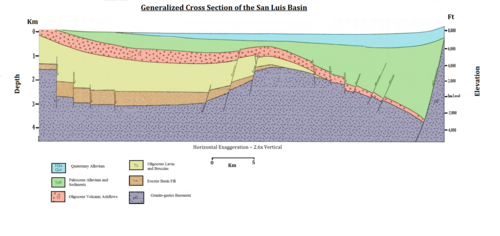

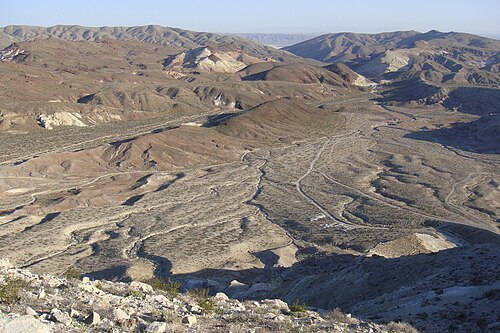

Alluvium (fromLatinalluvius, fromalluere 'to wash against') is loose clay, silt, sand, or gravel that has been deposited by running water in a stream bed, on a floodplain, in an alluvial fan or beach, or in similar settings.[1][2][3] Alluvium is also sometimes called alluvial deposit.[4][5] Alluvium is typically geologically young and is not consolidated into solid rock. Sediments deposited underwater, in seas, estuaries, lakes, or ponds, are not described as alluvium.[1] Floodplain alluvium can be highly fertile, and supported some of the earliest human civilizations.[6]
The present consensus is that "alluvium" refers to loose sediments of all types deposited by running water in floodplains or in alluvial fans or related landforms.[1][7][8] However, the meaning of the term has varied considerably since it was first defined in the French dictionary of Antoine Furetière, posthumously published in 1690. Drawing upon concepts from Roman law, Furetière defined alluvion (the French term for alluvium) as new land formed by deposition of sediments along rivers and seas.[8]
19世紀までに、この用語は、古い沖積層の上に河川によって堆積された最近の堆積物を意味するようになり、その性質は似ているものの、ノアの洪水によって堆積した堆積物と解釈されるようになった。地質学者が原始的な普遍的洪水の概念を否定すると、「diluvium」という用語は不評となり、「older alluvium」に置き換えられた。同時に、「alluvium」という用語は、平野を流れる水によって堆積したすべての堆積物を意味するようになった。定義は徐々に拡大し、河口、海岸、海洋起源および河川起源の若い岩石の堆積物も含まれるようになった。[ 8 ]
19世紀後半には、沖積層と沖積層は崩積土として分類されていました。「崩積土」は現在では一般的に、急斜面で重力によって運ばれた堆積物として理解されています。同時に、「沖積層」の定義は、河川作用によって堆積した堆積物に重点を置くように戻ってきました。「沖積層」という用語に他にどのような堆積物を含めるべきかについては、依然として意見の相違があります。[ 8 ]
ほとんどの沖積層は第四紀のもので、これらの堆積物が下層の基盤岩を覆い隠すため、「被覆」と呼ばれることが多い。固結していない盆地を埋める堆積物(「盆地充填物」)のほとんどは、通常「沖積層」としてまとめられる。[ 9 ]例えば、鮮新世の沖積層はアイダホ州の一部に見られる。 [ 10 ]例えば、カリフォルニア州のサンホアキン川の谷には、後期中新世の沖積層が見られる。[ 11 ]
 ウィキメディア・コモンズにある沖積層に関するメディア