
Loading article…
オーストリア共和国では、自治体(ドイツ語: Gemeinde 、 Ortsgemeindeとも)は、単一の村、町、または都市を包含する行政区分です。自治体は、議会制の代表民主主義に基づいて、法人格と地方自治権を有しています。政党名簿方式で選出された市議会(Gemeinderat )が自治体法を制定し、市議会によって任命された市執行委員会(Gemeindevorstand)と市長(Bürgermeister、女性形はBürgermeisterin )が自治体の行政を担います。オーストリアは現在(2025年1月1日)、人口が約50人(チロル州のグラマイス村)から200万人近く(ウィーン市)まで、2,092の自治体に分割されています。オーストリアには、法人化されていない地域はありません。
自治体の存在と、自治体が自治権の担い手としての役割を担うことは、オーストリア憲法によって保障されている(B-VG第116条(1))。
憲法は、村、町、または市が関心を持ち、かつ最も適切に処理できると考えられるあらゆる事項において、地方自治体が自治権(eigenverantwortlich)を持つことを意味する。地方自治体は国および州の法令を遵守する義務があり、法の支配に従わなかった場合は裁判所から責任を問われる可能性があるが、国または州の行政官に対して政治的に責任を負うことはなく、彼らからの命令も受けない。(B-VG 118)

オーストリアのすべての不動産は自治体の境界内にあり、つまり、非法人地域はなく、政府も住民も、すべての永住者が自治体コミュニティの一員でなければならないという要件を回避する方法はありません。(B-VG 116(2))。
すべての市町村は法人であり、財産を所有し、事業を運営し、市町村税を徴収し、一般的に自らの財政を管理する権利を有する(B-VG 116 (3) )。市町村は、州政府の監督の下、市町村連合を結成する権利( B-VG 116a)と、他の市町村と条約を締結する権利(B-VG 116b)を有する。
地方自治体は、国民によって選出された議会と、議会によって設置・監督される行政機関を持つ、ミニチュア版の議会制民主主義である。
地方自治体には司法機関は存在しない。


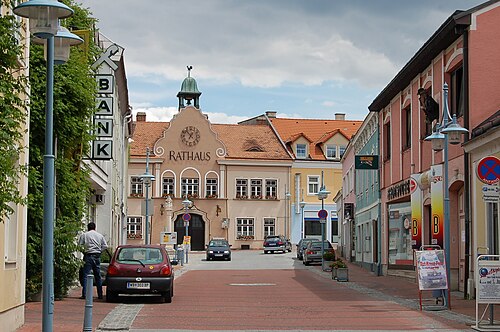
Larger municipalities are typically granted city status (Stadtrecht). The distinction, while important in medieval and early modern times, is purely symbolic today. City status does not currently confer any additional legal responsibilities. There exists a number of cities that are barely more than villages at present and that are labelled cities merely because they used to be regional population centers in the distant past. The city of Rattenberg, for example, has a population of about 400. The city of Hardegg has about 1200 inhabitants, although the historic city core − Hardegg proper without what used to be the surrounding hamlets − is home to just 80 people. Constitutionally, the main difference between municipalities that are cities (Städte, sing.Stadt) and municipalities that are not is that in cities, the municipal executive board is called not a Gemeindevorstand but a Stadtrat(B-VG 117 (1)).
A similar distinction, meaningful in the past but symbolic today, is that of market town (Marktgemeinde).
Cities that are economic and administrative centers of wider geographic reach can be elevated to statutory city status. A statutory city (Stadt mit eigenem Statut or Statutarstadt) is vested, in addition to its purview as a municipality, with the duties of a district administrative authority. The status does not come with any additional political autonomy: district administrative authorities are essentially just service centers that citizens use to interact with the national government, for example to apply for driver licenses or passports. The national government generally uses the provinces to run these points of contact on its behalf; in the case of statutory cities, the municipality gets to step up. Just like Austria has a number of villages that are nominally cities because they used to be significant in the past, Austria has a number of minor towns that hold statutory city status because they used to be regional capitals a few centuries ago. Examples include Waidhofen an der Ybbs, population ca. 11,000, or Rust, population ca. 1900. A municipality that desires statutory city status today needs to have at least 20,000 inhabitants. (B-VG 116 (3)) The municipal executive board of a statutory city is called a city senate (Stadtsenat). (B-VG 117 (1))
非公式には、都市でも市場町でもない自治体は、時として「Landgemeinden」(文字通り「農村の自治体」)と呼ばれることがある。
憲法は、自治体の固有の責任範囲(eigener Wirkungsbereich)と、上位政府から自治体に委任された責任範囲(übertragener Wirkungsbereich)を区別している。憲法は、国法および州法が追加することはできるが、削減することはできない固有の責任範囲の最小範囲を定めている(B-VG 118 (2))。
追加的な法律により、自治体には多数の追加的な責任が課せられている。自治体は、公共水道、下水処理、ごみ処理、街灯、墓地の建設と維持管理などを担当している。また、学校や幼稚園、高齢者向け住宅、スポーツ施設や文化施設、消防署なども運営している。オーストリアの各自治体が憲法で保障されている管轄範囲は、実際に有する管轄範囲のごく一部に過ぎない。公共サービス(Daseinsvorsorge )に関する事項は、重要性と予算の両面において、政治行政( Obrigkeitliche Verwaltungs )に関する事項をはるかに凌駕している。( Raschauer 2009、Rz 330)

ウィーン、グラーツ、クラーゲンフルトの各都市は、市区町村( Stadtbezirke、通称Bezirke )に分かれています。市区町村は行政区(politische Bezirke、通称Bezirke )と混同しないように注意が必要です。行政区は憲法で定められており、オーストリアの国政および地方行政において重要かつ目立つ役割を果たしています。市区町村は、地方自治体の法律によって設置された地方行政の下位区分です。ウィーン、グラーツ、クラーゲンフルトは法定都市であり、それぞれ1つの行政区に相当します。
ウィーンの23の区(Wiener Gemeindebezirke)とグラーツの17の区は、限定的な区レベルの自治権を有している。区の有権者は区議会(Bezirksvertretung)を選出し、区議会はさらに区長(Bezirksvorsteher)を選出する。区議会と区長は、市が委譲するあらゆる事項について責任を負う。一般的には、学校運営、道路維持管理、地域全体の維持管理、交通計画などを担当する。区議会と区長は一定の予算上の自治権を有するが、課税権はなく、市から割り当てられる予算に依存している。
クラーゲンフルトの15の区は、それぞれおおよそ近隣地区ほどの規模で、特別な自治権は持たない。
2025年1月1日現在、オーストリアには15の法定都市、188のその他の都市、771の市場町、1120のその他の自治体があり、合計2,092の自治体があります。[ 1 ]これらの自治体のうちの1つが際立っています。ウィーン市は法定都市であると同時に州でもあります。人口190万人の首都は、2番目に人口の多い都市であるグラーツの7倍の規模です。
他の8つの州については、数字は以下のとおりです。[ 1 ]
人口に関して言えば、各自治体区分内でも大きなばらつきが見られる。
面積に関して言えば、最小の自治体はラッテンベルクで0.11平方キロメートル(0.042平方マイル)です。最大の自治体は、人口密度の低いチロル州の山岳地帯にあるゼルデンで、466.78平方キロメートル(180.22平方マイル)です。ウィーン市は414.65平方キロメートル(160.10平方マイル)で2番目に大きい自治体です。