
Loading article…

ペンシルベニア州カーライル兵舎にある米国陸軍遺産教育センター(USAHEC )は、米国陸軍の主要な歴史研究施設です。1999年に設立され、2013年に再編されたこのセンターは、軍事史研究所(MHI)、陸軍遺産博物館(AHM)、歴史サービス部(HSD)、ビジター・教育サービス部(VES)、米国陸軍戦略大学図書館、およびコレクション管理部(CM)で構成されています。米国陸軍遺産教育センターは米国陸軍戦略大学の一部ですが、独自の56エーカー(23万平方メートル)のキャンパスを有しています。
ヘリテージ・アンド・エデュケーション・センターは、戦略的リーダーシップ、陸上戦力の世界的応用、および米陸軍の遺産に関連する現代および歴史的な資料を提供し、研究を促進し、国際的な聴衆を教育し、過去および現在の兵士たちを称えることを目的としています。
現在の研究コレクションには、軍事史の本、軍事新聞、技術マニュアルや野戦マニュアル、定期刊行物、退役軍人調査、写真、口述歴史の書き起こしなどが含まれています。コレクションには、独立戦争から現在の米陸軍の作戦に至るまでの資料が含まれています。USAHECはまた、陸軍が国家とその生活様式の成長、発展、保護において果たす中心的な役割についての理解を深めるために、解説展示や教育普及プログラムも提供しています。USAHECのモットーは「陸軍の物語を、一人ずつ兵士に伝える」です。[ 1 ]
米国陸軍軍事史研究所は、米国陸軍遺産教育センターより30年以上前に設立されました。1967年に米国陸軍戦争大学図書館の分館である軍事史研究コレクションとして設立された同研究所は、非公式の陸軍歴史資料の主要な保管場所となりました。米国陸軍の公式記録やその他の資料は国立公文書館に保管されています。[ 2 ]研究所はその存在期間のほとんどにおいて、カーライル兵舎のアップトン・ホールにありました。1941年に医療野戦勤務学校の学術棟として建てられたアップトン・ホールは、図書館としては十分でしたが、主要な公文書館の規模と保存のニーズには不向きでした。
陸軍長官ルイス・カルデラは、陸軍博物館をカーライルに誘致し、同研究所の所蔵品を普及させる手段として、1999年6月に陸軍遺産教育センターを設立した。後任のトーマス・E・ホワイトは、 2001年に現在のリッジウェイ・ホールとなる新施設の建設を承認した。彼は次のように述べている。
「我々は、同研究所の文書や所蔵品、すなわち米国陸軍の非公式な歴史を新設のアーカイブに移し、その施設に陸軍全体の歴史的文書や写真の管理責任を与え、教育施設や博物館と連携させる。」[ 3 ]
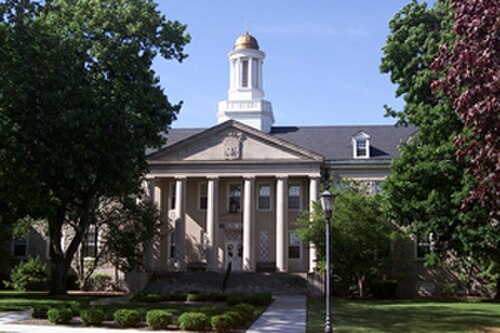
同センターは、研究所の所蔵品を含め、2004年にアプトン・ホールからリッジウェイ・ホールに移転し、9月24日に正式に開館した。陸軍はこの建物を、第二次世界大戦で第82空挺師団の司令官、朝鮮戦争で国連軍の司令官を務めた元陸軍参謀総長のマシュー・B・リッジウェイ将軍(1895年~1993年)にちなんで命名した。
1999年に同センターと共に設立された陸軍遺産博物館は、2004年にリッジウェイ・ホールの隣に仮設保管施設が建設されるまで、所蔵品のほとんどをカーライル兵舎内の様々な場所に保管していた。
2005年までに、同センターは陸軍遺産トレイルを整備し、戦車や野砲などの大型遺物や歴史標識を一般公開し始めた。最初の常設建造物である南北戦争時代の小屋は、同年10月に正式にオープンした。
2009年、USAHECはキャンパス拡張計画の一環として、ビジター・教育センターの建設に着工しました。2011年5月、同センターは一般公開され、キャンパスを訪れるすべての訪問者の歓迎とオリエンテーションの場として機能しています。建物内には、7,000平方フィート(650平方メートル)の展示スペースと、会議やその他のプレゼンテーションに使用できる多目的室が2室あります。同年後半には、USAHECは米陸軍の遺物コレクションを収蔵・保存するための保存施設を開設しました。

アメリカ陸軍遺産教育センターは、ビジター・教育センター、リッジウェイ・ホール、保存施設、製造施設などの建物で構成されています。敷地内には、全長1マイル(1.6km )の屋外陸軍遺産トレイルもあります。このトレイルには、アメリカ陸軍の歴史の様々な時代を紹介する大型展示物が点在しています。
Named after Army Chief of Staff General Matthew B. Ridgway (1895–1993), commander of the 82nd Airborne Division in World War II and of United Nations forces in the Korean War, Ridgway Hall opened to the public in 2004. Home of the Military History Institute, the 66,000-square-foot (6,100 m2) hall holds over 15 million items (books, periodicals, manuscripts, photographs, military publications) on U.S. Army history, covering the Revolutionary War era to current operations. The collections also include one of the largest American Civil War photograph collection in the world.
Along with a reading room for researchers, the hall also has several small exhibits that display artifacts and photographs from USAHEC holdings. Currently, the Ridgway Hall exhibits include the General Omar Nelson Bradley Memorial Art Gallery, which features rotating art exhibits[4] and an exhibit showcasing the highlights of the USAHEC Collection. The "Treasures of the USAHEC" exhibit highlights many types of materials, collected since 1967, which comprise USAHEC's current historical holdings. Objects on display were selected due to their distinctive nature or because they provide a unique perspective on the history of the U.S. Army, as well as what Soldiers found important about themselves, their units, the people they met, and the places where they served.[5]
Staff in Ridgway Hall oversee the cataloging of books and other items, the processing of archival collections, the transcription of oral histories, the writing of research bibliographies and other finding aids, and patron and visitor services.
The Visitor and Education Center opened in May 2011 to the general public. It serves as the welcome and orientation site for visitors to the facility. The building includes a 7,000-square-foot (650 m2) museum exhibit space, currently featuring "The Soldier Experience," a museum store, and two large multipurpose rooms for conferences and lectures.
"The Soldier Experience" is located in the Visitor and Education Center (VEC) of the USAHEC campus and is open during normal business hours.
The exhibit also features artifacts, oral history recordings accessible from your smart phone, a movie theater, and the opportunity to write a letter to a currently serving Soldier. In addition, guests may test their marksmanship at the digital shooting range, parachute in to Normandy as part of the D-Day invasion, and experience a night attack during the Korean War.[6]
35,000平方フィート(3,300平方メートル)の博物館保存施設には、陸軍遺産博物館の遺物が保管されており、学芸員の作業スペースとしても機能しています。保存施設は一般公開されていません。この建物には、温度管理された保管庫があり、物品、紙、分析、デジタルラボがあります。[ 7 ]コレクション管理チームのスタッフは、歴史資料の取得、保存、管理によって、USAHECコレクションの開発と保存を促進します。チームは、コレクションが関連性があり、利用可能であることを保証するために、コレクションの成長と維持を担当しています。取得セクションは、歴史資料の寄贈を通じて、コレクションに常に新しいアイテムを追加しています。USAHECは、広範な図書館コレクションに追加するために、最新の出版物や書籍を購入しています。[ 1 ]
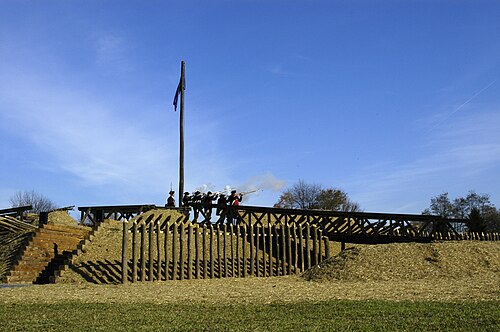
陸軍 遺産トレイルは、アメリカ陸軍の歴史における様々な時代に関する屋外展示物や標識が並ぶ、全長1マイル(1.6km )の遊歩道です。主な展示物には以下のようなものがあります。
陸軍遺産トレイルは、毎日日の出から日没まで見学可能です。トレイル沿いの建物や構造物は、USAHEC(陸軍遺産センター)の建物が開いている時間帯のみ見学できます。
The USAHEC hosts many types of history events, including lectures, large and small living history events, workshops, education programs, and more.[8] In past years, the USAHEC has hosted Army Heritage Days in recognition of Armed Forces Day in the United States. The event features re-enactors from all eras of U.S. Army history occupying the Army Heritage Trail, and various displays and demonstrations allow the public to interact with the living historians. Other events have had many different military history themes; in 2009 and 2010 a late-summer event included 18th and 19th century U.S. Army history concentrating on the American Revolution. In 2011, the theme was the sesquicentennial of the first winter of the American Civil War.
The U.S. Army Heritage and Education Center is supported by a private non-profit foundation, the Army Heritage Center Foundation, which helps the center with development and educational efforts. It oversaw fundraising for the construction of the Visitor and Education Center and is raising funds for the Army Heritage Center Facility.
北緯40度12分27秒、西経77度09分36秒/北緯40.2075度、西経77.1600度/北緯40.2075度、西経77.1600度