
Loading article…
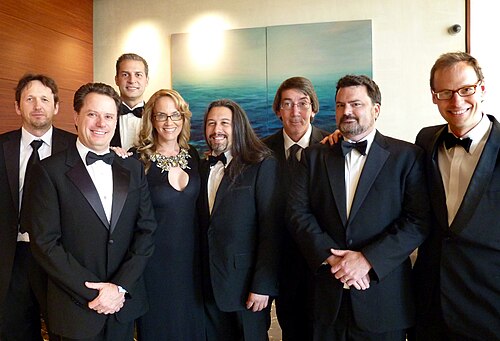
クリストファー・ブライアン・ヘッカー(1970年生まれ)は、アメリカのビデオゲームプログラマー兼コメンテーターです。彼はゲーム開発会社Definition Sixの創設者であり、ウィル・ライトの2008年のゲーム『Spore』のエンジニアリング作業で最もよく知られています。[ 2 ]ヘッカーはインディーズゲーム開発の提唱者であり、 Indie Game Jamの共同創設者でもあります。彼はプログラミングに関する影響力のある記事を執筆しており、 Game Developer MagazineとJournal of Graphics Toolsの編集者を務めています。
ヘッカーはイラストレーターを目指し、ニューヨーク市のパーソンズ美術大学で美術を学んだ。その過程で、バイト・マガジンに掲載されていたコンピュータプログラミングに関する記事を目にし、興味を抱いた。彼は進路を変更し、大学を中退してグラフィックデザインとゲーム制作の仕事に就いた。
ヘッカーは1992年頃、ワシントン州シアトルのマイクロソフトに就職した。彼はそこで3年間働き、Windowsオペレーティングシステム用のWinG APIプロジェクトのクリエイター兼リーダーとなった。WinGを完成させた後、彼はマイクロソフトのエンターテイメント部門に移り、Encarta World Atlasのリアルタイム地球儀表示用のレンダリングエンジンを書いた。1995年、ヘッカーはマイクロソフトを辞め、シアトルで自身の会社Definition Six [ 3 ]を設立した。これはゲームとコンピュータグラフィックスのコンサルティング会社で、後にカリフォルニア州オークランドに移転した。同社はゲーム用の物理技術の開発に注力し[ 4 ]、グラフィックス表示用のOpenGL標準のロビー活動を行った[ 5 ] 。同社は実際に商用タイトルを出荷することはなかったが、技術デモを制作した[ 6 ] 。彼はまた、サイドプロジェクトとしてロッククライミングをベースにしたゲームを数年間独自に開発していたが[ 7 ] [ 8 ]、完成には至らなかった。
In 2004, Hecker took a job with Maxis where he worked with Will Wright on what became the 2008 game Spore.[9][10] He led the development of many of the key technologies on Spore, including the core creature tessellation, painting, skinning, and animation technologies. Hecker's research and development effort on Spore is widely regarded as a major step forward in procedural character animation and rendering. Part of the technology he developed while working on the project was later selected for publication in the SIGGRAPH 2008 Transactions on Graphics conference proceedings,[11] and became a featured presentation at that conference.[12] Wright later claimed in an interview that Hecker's work on Spore had advanced the state of the art in procedural animation by several years.[13] Following Spore's release in late 2008, some players believed that comments Hecker had made in Seed Magazine[14] indicated that he had been primarily responsible for the game's lack of hard scientific backing.[15] This interpretation of the interview was discredited by Wright[16] and Spore producer Lucy Bradshaw.[17] Hecker was laid off from Maxis in late 2009,[1] and is currently working on the "indie" game SpyParty, which was released as an early access title in 2018.[18]
On December 4, 2013, Microsoft announced that Hecker's studio, Definition Six, was one of many indie game developers to join the ID@Xbox program.
Hecker's other side projects have included acting as editor of Game Developer Magazine and serving on the editorial board for the Journal of Graphics Tools.[19] As of 2008, he was the longest serving advisor of the Game Developers Conference.[20] Hecker was awarded the Community Contribution award at the 2006 Game Developers Conference.[21][22]
マイクロソフトとディフィニション・シックス在籍中、ヘッカーはゲーム・デベロッパー・マガジンに影響力のあるプログラミングコラムを執筆した。このコラムから生まれた2つのシリーズ記事は、現在でもそれぞれのテーマに関する標準的な参考文献として使われている。最初のシリーズは、透視的に正しいテクスチャマッピングの最初の完全な統合であり、マイケル・アブラッシュの3DタイトルQuake用のラスタライザーを含む、多くの重要なゲームラスタライザーの数学的基礎を形成した。[ 23 ] 2番目のシリーズは、ゲームのための剛体動力学シミュレーションに関するもので、[ 24 ]剛体動力学リソースの広範な参考文献リストも含まれている。[ 25 ]これらの記事は、ゲームにインタラクティブな物理演算をより多く取り入れるというヘッカーの一般的な取り組みの一環であり、[ 26 ] 1996年当時、物理シミュレーションを特徴とするゲームはほとんどなかった。1997年の夏、ヘッカーはゲーム開発に専念するため、定期コラムの執筆者を辞任した。
ヘッカーは、多くのインタビューや講演で、独立系ゲームムーブメントの発展を強く訴えてきた。ゲームプレイの革新性の欠如を嘆き、小規模なビデオゲーム制作のための代替市場やモデルを推進してきた。[ 27 ] 2002年、数人の友人の協力を得て、ヘッカーは成功を収めたインディーゲームジャムを共同設立した。[ 28 ]インディーゲームジャムは、少なくとも1つの商業タイトルの制作に直接つながっただけでなく、[ 29 ]ボストンゲームジャムやトロントゲームジャムなど、世界中でローカルゲームジャムを創設するきっかけにもなった。[ 30 ] [ 31 ]
{{cite web}}: CS1メンテナンス: アーカイブサービスは非推奨になりました (リンク){{cite web}}: CS1メンテナンス: アーカイブサービスは非推奨になりました (リンク){{cite web}}: CS1メンテナンス: アーカイブサービスは非推奨になりました (リンク)