
Loading article…

コメディにおいて、ビジュアルギャグまたはサイトギャグとは、言葉を使わずに視覚的にユーモアを伝えるものすべてを指します。ギャグは、物理的に不可能なことや予期せぬ出来事を伴う場合があります。 [ 1 ]ユーモアは、出来事に対する異なる解釈によって生じます。[ 2 ]ビジュアルギャグは、マジック、演劇、テレビや映画の演技で使用されます。
1991年のエッセイ「視覚ギャグに関する考察」の中で、ノエル・キャロルは視覚ギャグの分類体系を確立し、その種類を6つのタイプに分類している。[ 3 ]
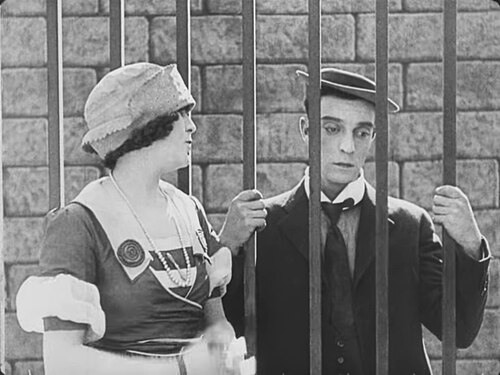
There are numerous examples in cinema history of directors who based most of the humor in their films on visual gags, even to the point of using no or minimal dialogue. Visual gags began in live theater.[2] The first known use of a visual gag in a film was in the Lumière brothers' 1895 short, L'Arroseur Arrosé ("The Waterer Watered"), in which a gardener watering his plants becomes the subject of a boy's prank.[4] An early pioneer in visual gags was Georges Méliès. The filmmaker experimented with techniques in the then-new film media creating techniques to trick viewers.[2]
Vaudeville actors often used gags in their routines. A classic vaudeville visual gag was for two actors to mirror each other's actions around a prop.[5] Visual gags were continued into silent films and are considered a hallmark of the genre.[2] In silent films, the actors in the mirror bit performed in silence with no music playing.[5] Comedians including Charlie Chaplin, Buster Keaton, Harold Lloyd and the Marx Brothers[5] often used visual humour because the technology used to record voices in film (and play it back in a synchronized presentation) did not yet exist. Often the differences between people are part of the comic duos, especially thin and fat actors are used such as Abbott and Costello and Laurel and Hardy.[6]
ニューヨーク・タイムズは、ギリガンズ・アイランドの第4話「グッドナイト、スウィート・スキッパー」をアメリカの古典的な視覚ギャグとして挙げている。 [ 7 ]漂流者たちはラジオで文明と連絡を取ろうとしていた。このエピソードで、スキッパーは第二次世界大戦中に夢遊病中にラジオを送信機に改造したことしか思い出せない。スキッパーが失敗した後、ギリガンはラジオを叩いて作動させ、上空を飛んでいるパイロットと短時間連絡を取った。ギリガンはスキッパーを救出し、ラジオを叩いた様子を見せ、ラジオの中身が飛び出した。彼らの救出は失敗に終わった。 [ 7 ]