Loading article…
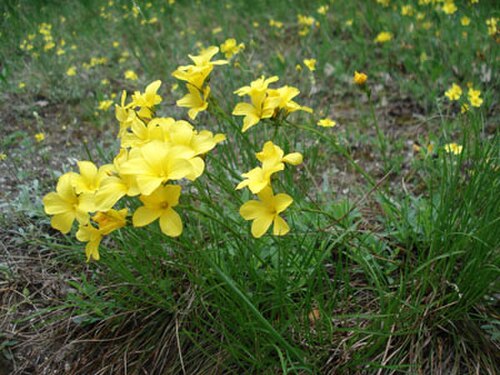
ナジコヴァーチ(ドイツ語: Großkowatsch )は、ハンガリー中部ペシュト県西部のブダケシ地区にある小さな町です。ブダペスト中心部から北西に約15km (9マイル)離れた谷間に位置しています。2011年の国勢調査によると、人口は7095人でしたが[ 1 ]、この数字には町内に別荘を所有している人は含まれていません。ナジコヴァーチは、ブダペストに近いこと、丘や森に囲まれた魅力的で静かな環境のため、現在では観光客や新しい住民を惹きつけています[ 2 ] 。近隣の一部の地域は、いくつかの希少な植物種を保護するために、ブダ土地保護区(Budai Tájvédelmi Körzet )という保護区に指定されています。その立地は、ここ10年間の町の発展に貢献しています。ブダペスト・アメリカン・インターナショナル・スクールは、 2000年に新キャンパスの建設地としてナジコヴァーチを選定した。
考古学的発見によると、この地域は先史時代から人が住んでいたことが分かります。レメテ渓谷の洞窟やエルドグ・アロク川の岸辺で発見された古代の遺物は、氷河期、鉄器時代、石器時代に人々がそこに住んでいたことを示しています。この地域で発掘された様々な道具、硬貨、石像の破片は、ローマ帝国時代にも人が住んでいたことを示しています。これらの石の破片のうち、古代ローマ時代の墓石4つは、地元の教会が建てられた際に壁に埋め込まれました。中世の記録では、ナジコヴァーチはコアーチやコヴァチと呼ばれています。これらの名前は、王室の鍛冶屋、すなわち鉄工職人(コヴァーチ)がこの町に住んでいたことを示しています。
現存する最古の地元文書である贈与証書は1254年のものである。16世紀半ばのハンガリーにおけるトルコ占領中、村は甚大な被害を受け、人口は急激に減少した。トルコ人が追放された後、ハンガリーを統治していたハプスブルク家は、バイエルンからの入植者をコヴァーチに招き入れた( 1700年~1760年)。[ 3 ]これらの新参者は畜産家や農民であり、3つの採石場、炭鉱、2つの石灰窯も建設し、オフェナー・ベルグラント出身のドナウ・シュヴァーベン人と名付けられた。
Many of the German-speaking Danube Swabians population of the town were forcibly resettled after the Second World War and new inhabitants arrived from the Hungarian Great Plains (Alföld), the parts of Upper Hungary (Felvidék) (today in Slovakia), and from Budapest to take their place.
The manor house in Nagykovácsi was built in first half of the 19th century by the local Teleki family. Thereafter the property passed into the hands of the Tisza family and today it is known still as the Tisza Manor. Originally the children of Hungarian foresters received regular school teaching in this well-preserved building. The idea of gathering such children into an educational establishment was gradually recognized as a worthwhile initiative throughout Europe and attracted visitors from many countries. At the end of the Second World War, the manor was confiscated and from 1958 it served as an agricultural college. Ownership of the property was passed to the Scout Movement in 2013.
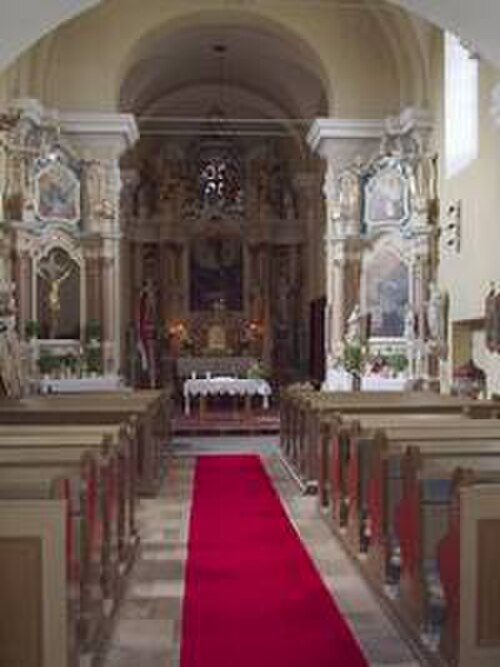
Today local townspeople make every effort to protect local sights, amongst these the statue of the Virgin Mary in the church and a memorial to the fallen of both world wars.
Nagykovácsi is twinned with:[5]
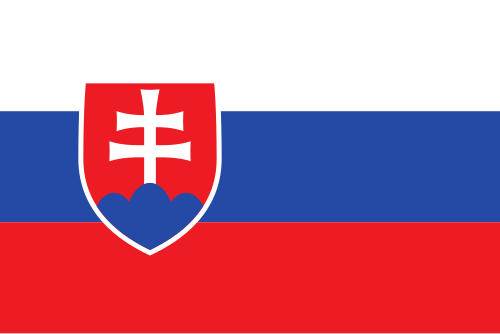 Andovce, Slovakia
 Bolatice, Czech Republic
 Canéjan, France
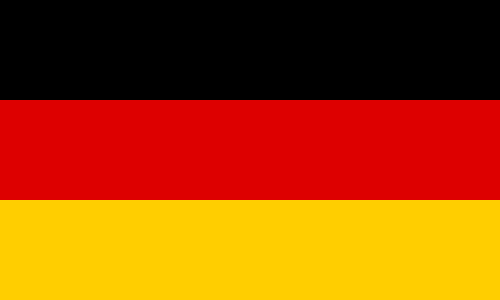 Linum (Fehrbellin), Germany
 Poggio Mirteto, ItalyStupava, Slovakia
 Zografou, Greece
 Tutrakan, Bulgaria