Loading article…
ドミトリー・ナルキソヴィチ・マミン=シビリャク(ロシア語: Дми́трий Нарки́сович Ма́мин-Сибиря́к 、1852年10月25日 - 1912年11月2日)は、ロシアの作家。ウラル山脈での生活を描いた小説や短編小説で最もよく知られている。
マミン・シビリャクはウラル地方ペルミ県ヴィシム(現在のスヴェルドロフスク州)で工場の牧師の家庭に生まれた。 [ 1 ]彼はまず家庭で教育を受け、その後労働者の子供のためのヴィシム学校で学んだ。その後、エカテリンブルク神学校(1866年~1868年)とペルミ神学校(1872年まで)に通った。1872年、サンクトペテルブルク医科大学の獣医学部に入学した。1876年、同大学を卒業せずにサンクトペテルブルク大学法学部に転籍した。そこで1年間学んだ後、健康上の問題(結核の初期症状)と経済的な困難のために退学した。
1877年の夏、彼はウラル地方の家族のもとに戻った。翌年、父親が亡くなり、家族のあらゆる困難がマミン・シビリャクにのしかかった。[ 2 ]仕事を見つけ、兄弟姉妹を教育するために、一家は文化の中心地であるエカテリンブルクに移り住んだ。そこで彼はマリア・アレクセーエワと結婚し、彼女は妻であり友人であると同時に、彼の文学上の助言者となった。この間、彼はウラル地方を何度も旅し、その歴史、経済、民族誌、日常生活を研究した。
1880年代初頭から、彼は文学活動に専念していた。
1890年、彼は最初の妻と離婚し、エカテリンブルク演劇劇場の女優マリア・アブラモワと結婚してサンクトペテルブルクに移り住んだ。アブラモワは1年後に出産時に亡くなり、悲嘆に暮れる父親は病弱な娘アリョーヌシュカを残された。
一連の旅行記『ウラルからモスクワへ』(1881~1882年)は、モスクワの新聞『ルースキー・ヴェデモスチ』(ロシア・ニュース)に掲載された。その後、彼のスケッチ『山中で』や物語『アジアの国境で』『悪しき魂の中で』が雑誌『デロ』に掲載された。これらの作品の多くは、D・シビリャクというペンネームで署名されている。
シビリャクとはロシア語で「シベリア人」という意味だ。ドミトリーは後に、友人たちがどのようにして彼にその名前を付けたのかを説明した。
"I first tried out the names 'Rasskazov' (from the word rasskazy, meaning story) and 'Tomsky' (from the word tom, meaning volume), but they weren't right! My name was an object of fun to my fellow ordinands. Why were we 'Mamin' (momma's boys) and not 'Tyatin' (daddy's boys)? They decided the best pseudonym was Sibiryak. After all, Yekaterinburg is the other side of the Urals, and Russians regard everything beyond the Urals, including Siberia, as all one!"[3]
His first major work was The Privalov Fortune (1883)[2] which was serialized to great success in the journal Delo. The publication of the novel Mountain Nest in 1884[2] in the journal Otechestvennye Zapiski (Notes of the Fatherland) cemented the reputation of Mamin-Sibiryak as an accomplished realist.
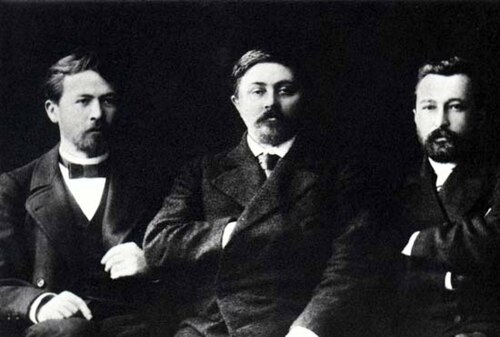
Repeated trips to the capital (1881–2, 1885–6) extended Mamin-Sibiryak's literary contacts. He became acquainted with Anton Chekhov, Gleb Uspensky, Vladimir Korolenko and others. During these years, he wrote and published many short stories and sketches. From 1899 until his death, he was associated with the Sreda literary group, and the Znanie publishing company, ran by fellow Sreda member Maxim Gorky.[4]
His last major works were the novels Traits from the Life of Pepko (1894), Falling Stars (1899) and the story "Mumma" (1907).
In his novels and stories he portrayed the life of the Urals and Siberia in the reform years of the development of capitalism in Russia and the consequent rifts in public consciousness, legal norms and morals. His most well known works are The Privalov Fortune (1883), Mountain Nest (1884), Gold (1892), Bread (1895), the novella Okhonna's Brows (1892) and the collections Ural Stories (1895) and Siberian Stories (1889).[2]
His widely known children's books included Tales for Alyonushka (1894–1896), Grey Neck (1893), and Summer Lightning (1897).[2]