
Loading article…
国連被拘禁者処遇最低基準規則は、 5年間の改訂プロセスを経て、2015年12月17日に国連総会で採択されました。 [ 1 ]これらは、南アフリカの元大統領ネルソン・マンデラにちなんでマンデラ規則として知られています。マンデラ規則は122の「規則」で構成されています。すべてが規則というわけではなく、制度的平等や拘禁の哲学などの原則もあります。[ 2 ]
この規則は、1955年8月30日にジュネーブで開催された国連犯罪防止及び犯罪者処遇会議において初めて採択され、1957年7月31日および1977年5月13日の経済社会理事会決議によって承認された。
1957年に経済社会理事会で採択されて以来、被拘禁者処遇に関する標準最低規則(SMR)は、被拘禁者処遇に関する世界的に認められた最低基準として機能してきた。法的拘束力はないものの、この規則は、関連する各国の国内法制定の根拠として、また刑務所運営の実践的な指針として、世界中で重要な役割を果たしている。
法的拘束力はないものの、SMR(標準人権規範)は、刑務所その他の拘禁施設に収容されている市民に対する国際法および国内法の指針を提供する。この基準に明記されている基本原則は、「人種、肌の色、性別、言語、宗教、政治的意見その他の意見、国籍または社会的出自、財産、出生その他の地位に基づく差別があってはならない」というものである。
第1部には一般適用規則が含まれています。この規則には、囚人の処遇および刑務所の管理において一般的に良い慣行として認められている基準が定められています。具体的には、以下の事項に関する問題が扱われています。宿泊施設の最低基準(規則12~17)、個人衛生(18)、衣服[ 3 ]および寝具(19~21)、食事(22)、運動(23)、医療サービス(24~35)、規律および懲罰(36~46)、拘束具の使用(47~49)、苦情(54~57)、外部との接触(58~63)、書籍の入手可能性(64)、宗教(65および66)、囚人の財産の保管(67)、死亡、病気、移送の通知(68~70)、囚人の移送(73)、刑務所職員の質および訓練(74~82)、刑務所の検査(83~85)。
Part II contains rules applicable to different categories of prisoners including those under sentence. It contains a number of guiding principles (rules 86 to 90); the treatment (rehabilitation) of prisoners (91 and 92); classification and individualization (93 and 94); privileges (95); work[4] (96 to 103); education and recreation (104 and 105); social relations and after-care (106 to 108). Part II also contains rules for prisoners under arrest or awaiting trial (generally referred to as "remand"), rules for civil prisoners (for countries where local law permits imprisonment for debt, or by order of a court for any other non-criminal process) and rules for persons arrested or detained without charge.
The General Assembly, in 2010, requested that the Commission on Crime Prevention and Criminal Justice establish an open-ended intergovernmental expert group to exchange information on the revision of the SMRs so that they reflected advances in correctional sciences and best practices,[5] provided that any changes to the rules would not result in lowering existing standards. The General Assembly further highlighted a number of principles which should guide the continued revision process, including that (a) any changes to the SMR should not lower any of the existing standards, but should improve them so that they reflect advances in corrections science and good practices, so as to promote safety, security and humane conditions for prisoners; and that (b) the revision process should maintain the existing scope of application of the SMR for the treatment of prisoners, and continue to take into account the social, legal and cultural differences, as well as human rights obligations, of member states.[5]
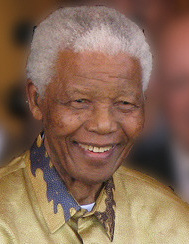
In December 2015, the General Assembly adopted resolution 70/175 entitled "United Nations Standard Minimum Rules for the Treatment of Prisoners (the Mandela Rules)".[6] The reference was added not only in recognition of South Africa's major support to the revision process, but also to honor Nelson Mandela, who spent 27 years in prisons in the course of his struggle for democracy and the promotion of a culture of peace. Accordingly, the General Assembly also decided to extend the scope of International Nelson Mandela Day (18 July) to be also utilized in order to promote humane prison conditions of imprisonment, to raise awareness about prisoners being a contiguous subset of society, and to value the work of prison staff as a social service of importance.