
Loading article…
Inherent vice is the tendency in physical objects to deteriorate because of the fundamental instability of the components of which they are made, as opposed to deterioration caused by external forces.[1][2] All objects have some kind of inherent vice as a result of the baseline law of entropy.
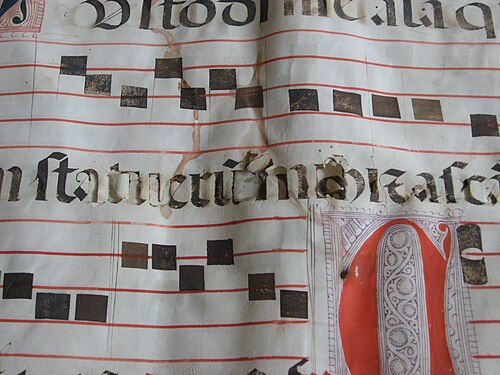
The term is broadly used in archival practice to recognize the material constraints of preservation activities. For example, many kinds of paper have acid in them that makes them chemically unstable. Over time, the acid will eat away the text on the page and cause paper to turn yellow or brown and become brittle. As the acid continues to break down the cellulose fibers, the paper disintegrates.[3] In the world of philately, the adhesive on the back of stamps is both an inherent vice—any exposure to moisture will compromise their ability to be preserved—as well as the purpose for which the stamps were made.[3] In the case of film, an example of inherent vice is the innate chemical instability of cellulose acetate film, which can result in the degradation known as "vinegar syndrome" due to the distinctive vinegar odor it produces.[4]
Slowing this tendency of objects to self-destruct requires an understanding of how materials interact. This includes not just an understanding of the intrinsic qualities of the materials themselves, but also the way that they affect and are affected by the other materials that they come into contact with.[5] For example, leather and metal are two materials which are frequently used in combination with each other, but react to each other over time to cause corrosion on the metal.[3]
The presence of deteriorating agents is a problem which can be tempered by selecting archival quality materials, such as acid free paper.[5] However, frequently the objective of manufacturers is to make a process (i.e. papermaking, book binding, etc.) faster and easier; the longevity of the items they produce is not their primary concern.[2]
固有の欠陥という用語は、法律だけでなく図書館学やアーカイブ学でも使用されています。固有の欠陥の法的定義の1つは、「ほとんどの財産保険契約にある除外条項で、財産自体が損傷または破壊される原因となる性質によって生じた損失に対する補償を排除するもの」です。[ 6 ]
固有の欠陥は、その物品の本質的に自己破壊的な性質が運送業者や保険会社にとって受け入れがたいリスクとなる可能性があるため、物品の保険を拒否する正当化理由として使用できる。[ 7 ]
 Wiktionaryにおける「inherent vice」の辞書定義