
Loading article…
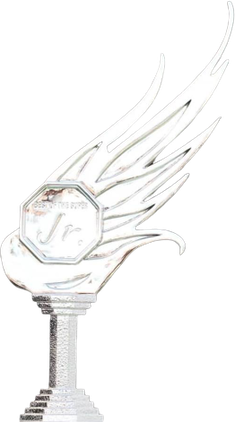
ベスト・オブ・ザ・スーパージュニア(略称BOSJ)は、新日本プロレス(NJPW)が毎年5月または6月に開催するプロレスのトーナメントである。当初はトップ・オブ・ザ・スーパージュニアとして知られ、最初のトーナメントは1988年に開催され、 1991年以降は毎年開催されている。トーナメントに出場するレスラーは、世界中のプロモーションから集まったジュニアヘビー級レスラーである。 [ 1 ] 2026年現在新日本プロレスはこれまでに37回のスーパージュニアトーナメントを開催している。高橋ヒロムは最多優勝記録(4回)を保持している。高橋は3大会連続優勝を果たした唯一のレスラーでもある。金本は最多決勝進出記録を保持しており、1997年から2009年の間に8回決勝に進出している。ライガーは最多出場記録を保持しており、1995年と2000年を除くすべての大会に出場し、 2017年の26回目にして最後のスーパージュニアトーナメントに出場した。
このトーナメントは1988年に新日本プロレスによって創設されました。当初はトップ・オブ・ザ・スーパージュニアと呼ばれていました。[ 1 ]このトーナメントは総当たり戦で、レスラーはポイントを獲得します。[ 1 ]優勝者は、すでにチャンピオンでない限り、トーナメント終了後まもなくIWGPジュニアヘビー級王座に挑戦する機会を得ます。2010年以降、タイトルマッチは6月/7月のドミニオン大会で行われています。
1994年、この大会は「ベスト・オブ・ザ・スーパージュニア」と改称された。1996年以降、この大会は他の多くのプロレス大会で採用されている2ブロック制で行われるようになった。この方式では、各ブロックの上位2名が準決勝に進出し、そこから一発勝負となる。総当たり戦では、勝利は2ポイント、時間切れ引き分けは1ポイント、その他の結果は0ポイントとなる。すべての試合には30分の時間制限が設けられているが、過去には20分だったこともある。
最初の公式トップ・オブ・ザ・スーパージュニア大会の前に、新日本プロレスは総当たり戦形式とジュニアヘビー級に焦点を当てたトーナメントを少なくとも3回開催した。いずれもチャンピオンを決めるためのものだった。1981年の場合は、WWFライトヘビー級王座をかけた大会だった[ a ] 。新日本プロレスが主催したにもかかわらず、実質的にはユニバーサル・レスリング・アソシエーションのルチャリブレ・プロモーションのトーナメントであり、出場者は同団体のルチャドールのみで、初代チャンピオンであるペロ・アグアヨが誕生した後は主にメキシコで防衛戦が行われた。[ 2 ]
ポイントシステムが明確に示されていないため、代わりに勝利と引き分けが記載されています。グラン・ハマダはツアー中にアニバルとフィッシュマンと再戦し、それらにも勝利しました。[ 5 ] [ 6 ]
WWFが委託したタイトルをかけた2回目のトーナメント、1984年の「WWFジュニアヘビー級チャンピオンシップリーグ」は、1984年1月1日から2月7日まで開催された。9人の選手が参加する単一のブロックで行われ、最終日には上位3名による3回の再戦が行われ、ダイナマイト・キッドが両方の再戦に勝利してタイトルを獲得した。[ 3 ]
ブレット・ハートと小林邦明は、理由は不明ながら2度対戦した。ここに掲載されている記録には、最初の試合の結果も含まれており、この試合ではブレットが反則勝ちを収めている。2度目の試合は両者リングアウトとなった。
2年後に開催された3つ目のプロトタイプジュニアトーナメントは、初代IWGPジュニアヘビー級王者を決定する「IWGPジュニアヘビー級選手権リーグ」でした。8人の選手が出場し、1月3日から2月6日まで開催されました。得点システムは比較的微妙で、決定的な勝利は5ポイント、カウントアウトまたは反則勝ちは4ポイント、引き分けは2ポイントでした。今回も1ブロック制で、決勝では上位2名の選手が再戦しました。[ 4 ]越中四郎は、以前のブロックステージで反則負けしたポイントリーダーのザ・コブラを破り、初代IWGPジュニア王者となりました。
1988年のトップ・オブ・ザ・スーパージュニアは、1月4日から2月7日まで開催された12人制トーナメントだった。1986年のポイントシステムが引き継がれ、不戦勝も4ポイントとしてカウントされた。トーナメント終了時点で最もポイントが高かった2人のレスラー、越中四郎と現IWGPジュニアヘビー級王者長谷弘が、優勝者を決めるシングルマッチで対戦した。勝者の越中は、 3月19日と5月8日に長谷弘からタイトルを奪取しようと2度試みたものの失敗に終わり、1988年6月24日にオーエン・ハートからジュニア王座を獲得した。 [ 7 ] [ 8 ]
おそらく怪我のため棄権したのだろう。彼はツアーの最初の2日間はタッグマッチに出場したが、その後トーナメント終了から数週間経つまで試合をしなかった。[ 13 ]
1990年には「スーパージュニア」という名称のイベントはなかったものの、年初にはチャンピオンシップのナンバーワン挑戦者を決めるために、同様の形式で1ヶ月にわたる総当たりジュニアヘビー級トーナメントが開催された。ブロックマッチは1月5日から1月30日まで行われた「NJPWニュー・スプリング・ゴールド・シリーズ1990」ツアーで行われ、優勝者は1月31日のツアー最終戦でチャンピオンシップマッチに挑むことになった。決勝戦はなく、個々の勝利(あらゆるタイプの勝利、これまでの2つのトーナメントのシステムを終了)はそれぞれ5ポイントの価値があり、総合優勝者は最も多くのポイントを獲得した者となった。獣神サンダー・ライガーは最後にオーエン・ハートを破ってトーナメントを制し、数ヶ月前に佐野直樹に奪われたタイトルを奪還して佐野を破り、2度目の王座戴冠を果たした。[ 9 ]
前回のトーナメントと同様、本永典雄は当初出場予定だったが、代わりに全ての試合を棄権した。しかし奇妙なことに、今回はツアーを通してずっと姿を見せ、代わりに「ブロンド・アウトローズ」のチームメイトである後藤達俊とタッグマッチで試合を行った。[ 13 ]ビフ・ウェリントンも同様に最後の2試合を棄権したが、おそらく怪我のためだろう(その後数ヶ月間試合をしなかったため)。[ 14 ]
The 1991 Top of the Super Juniors was a seven-man tournament held from April 15 to April 30 and the first to use the modern points system. Before the tournament, the reigning Junior Heavyweight Champion, Jushin Thunder Liger, vacated the title so the winner of the 1991 Top of the Super Juniors also became the champion; with his victory over Liger in the final, Norio Honaga also won the championship.[7][10]
1992年のトップ・オブ・ザ・スーパージュニアは、4月16日から4月30日まで開催された9人制トーナメントだった。優勝者の獣神サンダー・ライガーは、 IWGPジュニアヘビー級王座を保持したままこのトーナメントで優勝した最初の選手となった。[ 7 ] [ 11 ]決勝進出者のエル・サムライは、このトーナメントでライガーに勝利したわずか2人のうちの1人で、5月17日にライガーの次のタイトル挑戦者となったが、サムライは敗北し、6月26日に再び挑戦し、王座を獲得した。
1993年のトップ・オブ・ザ・スーパージュニアは、5月26日から6月14日まで開催された11人制トーナメントだった。2位が4人で同点となったため(獣神サンダー・ライガーも同点だったが、負傷により敗退)、4人は決勝で1位のペガサス・キッド(クリス・ベノワとして知られる)に挑戦するためのプレーオフ・トーナメントを行った。最終的にエル・サムライが決勝に進出したが、ペガサス・キッドに敗れた。ペガサスは、このトーナメントで優勝した初の外国人レスラーとなった。[ 12 ]また、8月8日にはチャンピオンのライガーに挑戦したが、敗退した。エディ・ゲレロは1992年のトーナメントには本名で出場したが、1993年のトーナメントでは「ブラック・タイガー」の2代目として出場した。[ 7 ] [ 11 ]
1994年のベスト・オブ・ザ・スーパージュニアは、その名で初めて開催されたトーナメントで、5月26日から6月13日まで11人制のトーナメントとして行われた。獣神サンダー・ライガーは、ジュニアヘビー級王者として再び優勝し、このトーナメントで2度優勝した最初のレスラーとなった。ゲスト出場者には、みちのくプロレスのスーパーデルフィンとTAKAみちのく、そしてレッスルドリームファクトリーの茂木正義らがいた。[ 7 ] [ 15 ]ライガーは、9月に足首の怪我でタイトルを返上せざるを得なくなるまで、タイトルを再び防衛することはなく、新たな王者を決めるための別のトーナメントが開催されることになった。
1995年のベスト・オブ・ザ・スーパージュニアは、6月23日から7月13日まで開催された10人制トーナメントだった。前年の獣神サンダー・ライガーと同様、ワイルド・ペガサス(旧名ペガサス・キッド)が2度目の優勝を果たし、 2010年にプリンス・デヴィットが優勝するまで、日本人以外で2度目の優勝を果たした唯一の選手となった。本永典雄は4日目に肋骨を負傷し、残りの試合を棄権した。[ 7 ] [ 16 ] 1993年と同様、ペガサスは1995年9月25日に金本浩二とのタイトルマッチで敗退した。みちのくプロレスのグラン浜田がゲストの日本人選手として出場した。
1996年のベスト・オブ・ザ・スーパージュニアは5月24日から6月12日まで開催され、各ブロックに7人のレスラーが出場する2ブロック制を初めて採用した大会となった。優勝者のブラックタイガーは、1996年6月17日にザ・グレート・サスケにチャンピオンシップをかけて挑戦したが、敗れた。[ 7 ] [ 17 ]
1997年のベスト・オブ・ザ・スーパージュニアは、5月16日から6月5日まで開催された2ブロック、14人参加のトーナメントだった。この大会と1998年の次の大会では、勝利に1ポイント、敗北または引き分けに0ポイントという単純なポイントシステムが採用された。優勝者のエル・サムライは、7月6日に獣神サンダー・ライガーを破ってチャンピオンになった。ゲスト出場者には、みちのくプロレスのグラン・ナニワと中嶋半蔵、大日本プロレスの田尻善弘がいた。[ 7 ] [ 18 ]金本対サムライの決勝戦は、デイブ・メルツァーから5つ星の評価を受けた。[ 44 ]
1998年のベスト・オブ・ザ・スーパージュニアは、5月16日から6月3日まで開催された2ブロック、12人制のトーナメントだった。前年と同様、勝利に1ポイント、敗北または引き分けに0ポイントというシンプルなポイントシステムが採用された。優勝者の金本浩二は、7月15日に王者獣神サンダー・ライガーに挑戦したが失敗し、1999年1月4日の再戦も同様に失敗に終わったが、1999年3月17日にライガーを破ってタイトルを獲得した。[ 7 ] [ 19 ]
1999年のベスト・オブ・ザ・スーパージュニアは、5月19日から6月8日まで開催された2ブロック12人制のトーナメントだった。優勝者の剣道嘉信は、8月28日にチャンピオンの金本浩二を破りタイトルを獲得した。金本はBOSJ決勝でも金本を破っていた。金本は3年連続で決勝に進出した最初の人物となった。[ 7 ] [ 20 ]
2000年のベスト・オブ・ザ・スーパージュニアは、5月19日から6月9日まで開催された2ブロック制の12人トーナメントだった。優勝者の高岩達人は、2000年7月20日に獣神サンダー・ライガーを破ってタイトルを獲得し、ライガーの最後の王座保持期間を終わらせた。[ 21 ]
2001年のベスト・オブ・ザ・スーパージュニアは、5月18日から6月4日まで開催された2ブロック、12人制のトーナメントだった。獣神サンダー・ライガーは優勝により、このトーナメントで3度優勝した初の選手となり、またトーナメント中に一度も負けなかった初の選手となった。[ 22 ]理由は不明だが、ライガーは優勝の報酬としてチャンピオンシップマッチを受けなかった(おそらく、その年のG1クライマックスやG1タッグリーグなどのヘビー級での活躍に集中していたためだろう)。
2002年のベスト・オブ・ザ・スーパージュニアは、5月18日から6月5日まで開催された14人参加の2ブロック制トーナメントだった。1997年から1998年と同様に、勝利に1ポイント、敗北または引き分けに0ポイントが与えられた。2度優勝した金本浩二は、7月19日に王者田中みのるを破りタイトルを獲得したが、これはトーナメント決勝で金本が破った相手と同じだった。 2002年の大会でブラックタイガーとして出場したのは、以前その名前でトーナメントに参加していたエディ・ゲレロではなく、前年にそのキャラクターを引き継いだルチャドールのシルバーキングだった。 [ 23 ]
2003年のベスト・オブ・ザ・スーパージュニアは、5月23日から6月11日まで開催された14人による2ブロック制のトーナメントだった。この大会では、各ブロックの上位2名が準決勝に進出するという現代的なシステムが導入され、柿原正人選手が優勝した。[ 45 ]柿原選手は、この大会で優勝したタイガーマスクIVに7月6日に挑戦したが、敗退した。[ 24 ]
2004年のベスト・オブ・ザ・スーパージュニアは、5月22日から6月13日まで開催された16人制の2ブロックトーナメントだった。他の年とは異なる独特な構造で、各ブロックの最高得点者が準決勝に進出し、各ブロックの2位と3位の選手は準々決勝からスタートする。獣神サンダー・ライガーはブロックAで1位になったものの、脊髄損傷のためトーナメントを棄権せざるを得なくなり、代わりにアメリカン・ドラゴンが準決勝に進出した。最終的に優勝したタイガーマスクIVは、7月19日にヒートにタイトルをかけて挑戦したが敗れた。しかし、2005年1月4日の再戦でヒートを破った。[ 25 ]
2005年のベスト・オブ・ザ・スーパージュニアは、5月21日から6月19日まで開催された14人制の2ブロックトーナメントでした。タイガーマスクIVは、 2020年と2021年に高橋ヒロムが記録に並ぶまで、このトーナメントで2年連続優勝を果たした最初の選手でした。タイガーマスクは、1994年の獣神サンダー・ライガー以来、このトーナメントで優勝した最初のレスラーでもありました。トーナメント後の最初の防衛戦の相手は、トーナメントには出場していなかったディック東郷でした。
2005年大会では、ロッキー・ロメロが前年からブラック・タイガーIVとして活動していたため、3人目のブラック・タイガーマスクを着用したレスラーが登場した。 [ 26 ]タイガーマスクとのブロックマッチの前に(おそらく怪我のため)トーナメントを棄権した後、彼は復帰し、10月8日にタイガーマスクを破ってタイトルを獲得した。
2006年のベスト・オブ・ザ・スーパージュニアは、5月27日から6月18日まで開催された14人による2ブロック制のトーナメントだった。優勝者の稔実選手は、2006年12月に金本浩二選手を破ってタイトルを獲得した。この大会は、ブロック優勝者がどちらも決勝に進出しなかった初めての大会となった。[ 27 ]
2007年のベスト・オブ・ザ・スーパージュニアは、6月1日から6月17日まで開催された14人参加の2ブロックトーナメントだった。6月7日、プリンス・デヴィットが怪我のためトーナメントを棄権せざるを得なくなり、予定されていた全試合を棄権することが発表された。[ 28 ]ミラノ・コレクションATは、越中史郎以来となる初出場での優勝を果たしたが、ジュニアヘビー級王座に挑戦することすらできず、代わりにヘビー級に昇格して同年のG1クライマックスに出場した。タイトルマッチは、ブロックステージで王者ミノルを破った田口隆祐に与えられた。田口は7月6日に再びミノルを破り、王座を獲得した。
2008年のベスト・オブ・ザ・スーパージュニアは、2つのブロックに分かれて12人の参加者が出場し、5月31日から6月15日まで開催された。 [ 29 ]外部出場者には、プロレスリングZERO1の元優勝者高岩達人や、トータル・ノンストップ・アクション・レスリングのジミー・レイヴなどがいる。プリンス・デヴィットはタイガーマスクIVとの試合後に負傷し、残りの試合を棄権せざるを得なくなった。トーナメント直後、優勝者の井上渉は、ライガーとタイガーと共にトーナメントのチャンピオンとして優勝し、ヘビー級に昇格し、その過程でIWGPジュニアヘビー級王座を返上した。
2009年のベスト・オブ・ザ・スーパージュニアは、2つのブロックに分かれて14人の参加者が出場し、5月30日から6月14日まで開催された。金本浩二はこの勝利により、この大会で通算3回優勝した2人目のレスラーとなった。[ 30 ]彼は7月20日に行われたタイトルマッチで、前回王者タイガーマスクIVに敗れた。
2010年のベスト・オブ・ザ・スーパージュニアトーナメントは、2つのブロックに分かれた16人の参加者で、5月30日から6月13日まで開催された。外部参加者には、藤田“Jr.”ハヤト(みちのくプロ)、飯伏幸太(DDTプロレスリング) 、ケニー・オメガ(DDT/リング・オブ・オナー/プロレスリング・ゲリラ)、KUSHIDA(スマッシュ)、ラ・ソンブラ(コンセホ・ムンディアル・デ・ルチャ・リブレ)、デイヴィー・リチャーズ(ROH/PWG)、石森太二(プロレスリング・ノア)がいた。[ 46 ] 2010年5月31日、タイガーマスクIVがラ・ソンブラとの試合中に椎骨を負傷し、2ヶ月間欠場することが発表された。その結果、タイガーマスクIVは大会から棄権し、残りの試合を棄権したため、対戦相手全員に自動的に2ポイントが与えられた。[ 47 ] 2010年6月6日、藤田は負傷のためアキラとの試合を棄権せざるを得なくなり、トーナメントの残りの試合も棄権した。 [ 48 ]プリンス・デヴィットはトーナメントで優勝し、2010年6月19日にドミニオン6.19で丸藤正道を破り、新たなIWGPジュニアヘビー級チャンピオンとなった。[ 49 ]
2011年のベスト・オブ・ザ・スーパージュニアは、2つのブロックに分かれて18人の参加者が出場し、5月26日から6月10日まで開催された。これは、トーナメント史上最多の参加者数となった。外部からの参加者には、佐々木大輔(フリーランサー)、藤田“Jr.”ハヤト(みちのくプロレス)、グレート佐助(みちのくプロレス)、ケニー・オメガ(DDTプロレスリング)、飯伏幸太(DDT)、マスカラ・ドラダ(コンセホ・ムンディアル・デ・ルチャ・リブレ)、TJP(フリーランサー)などが含まれる。[ 59 ]佐々木とタイチは、2011年4月8日に開催されたロード・トゥ・ザ・スーパージュニア2デイズトーナメントで優勝し、トーナメントへの出場権を獲得した。[ 60 ]飯伏幸太は、新日本プロレスに所属していないレスラーとして初めてこのトーナメントで優勝した。[ 32 ]彼は2011年6月18日にプリンス・デヴィットを破り、IWGPジュニアヘビー級王座を獲得した。 [ 61 ]
2012年のベスト・オブ・ザ・スーパージュニアには18人が参加し、5月27日から6月10日まで開催された。[ 71 ] [ 72 ]外部からの参加者には、アレックス・コスロフ(アメリカのインディペンデント)、アンヘル・デ・オロ(コンセホ・ムンディアル・デ・ルチャ・リブレ)、ブライアン・ケンドリック(アメリカのインディペンデント)、佐々木大輔(フリーランサー)、PAC(ドラゴンゲート)などが含まれていた。[ 73 ]ブラック・タイガーは、2012年4月15日に開催されたロード・トゥ・ザ・スーパージュニア2デイズ・トーナメントで優勝し、このトーナメントへの出場権を獲得した。 [ 74 ] 5月9日、新日本プロレスは、デイヴィー・リチャーズが交通事故の後、医師の指示に従ってトーナメントを欠場しなければならないと発表した。[ 75 ]彼の代わりにブライアン・ケンドリックが出場した。[ 76 ] 5月25日、新日本プロレスは、ブラックタイガーのパフォーマーである野沢論外がマリファナ密輸で逮捕された2日後、ブラックタイガーがトーナメントから除外されたと発表した。[ 77 ]代わりに高橋ヒロムが出場した。[ 78 ]イベントのキャッチフレーズは「栄光への扉」だった。[ 79 ] 5年連続で前年の準優勝者が優勝を果たし、今回は田口隆祐が優勝した。 [ 33 ]田口は6月16日のDominion 6.16でIWGPジュニアヘビー級王座をかけてロウ・キーに挑戦したが敗れた。[ 80 ]
第20回ベスト・オブ・ザ・スーパージュニアトーナメントは2013年3月28日に正式に発表され、5月24日から6月9日までの10回のショーで行われた。[ 91 ] [ 92 ]参加者は5月3日に発表され、外部参加者にはベレッタ(アメリカのインディペンデント)、ブライアン・ケンドリック(アメリカのインディペンデント)、ケニー・オメガ(DDT)、リコシェ(ドラゴンゲート)、ティタン(コンセホ・ムンディアル・デ・ルチャ・リブレ)が含まれていた。[ 93 ] [ 94 ]
ブロックBで優勝した田口隆介は、6月6日以降に股関節の怪我で欠場し、ブロック3位だったTAKAみちのくが準決勝で代わりに出場した。 [ 95 ]優勝したプリンス・デヴィットは、トーナメントで全勝した3人目のレスラーとなった。獣神サンダー・ライガーが2001年にこの偉業を達成した時、彼のトーナメントは6試合のみだったのに対し、デヴィットのトーナメントは10試合だった。[ 96 ] [ 97 ]最近ヒールターンして悪役のバレットクラブを結成したデヴィットは、このディビジョンでの圧倒的な強さをヘビー級戦線に集中する口実として利用し、それを直接ドミニオン6.22でのIWGPヘビー級王座挑戦者決定戦(従来のジュニア王座防衛戦ではなく)へと繋げた。しかし、井上渉やミラノコレクションATなど、過去に同様のことを成し遂げた優勝者とは異なり、彼はジュニアヘビー級の地位を維持し、チャンピオンの座を守り続けた。7月にトーナメント出場資格すら得ていない外道との最後の防衛戦を行った後、彼は再びタイトル防衛戦を行うことを拒否し、怪我で欠場していた飯伏幸太が復帰してレッスルキングダム8で彼を破るまで続いた。
前年の準優勝者であるロウ・キは、レッスルキングダム7でのチャンピオンシップマッチをヒットマンシリーズのビデオゲーム「エージェント47」のコスプレで試合するという無許可の決定を下したため、1月に解雇された。これにより、BoSJ決勝進出者が次のトーナメントの優勝者となる5年連続の記録が途絶えた。[ 98 ]
The twenty-first Best of the Super Juniors tournament was officially announced on March 14, 2014, and took place between May 30 and June 8.[108] The participants were announced on May 4; outside entrants included Kenny Omega (DDT), Máscara Dorada (Consejo Mundial de Lucha Libre) and Ricochet (Dragon Gate).[109] For the first time in four years, the reigning IWGP Junior Heavyweight Champion did not take part in the tournament as Kota Ibushi was concentrating on chasing the NEVER Openweight Championship.[109]Alex Koslov dislocated his left shoulder in his first match against Ricochet on May 30 and was forced to pull out of the tournament, forfeiting all of his matches.[110]Alex Shelley won block B of the tournament, but was forced to pull out of the semifinals after suffering a shoulder injury in his final round-robin match. As a result, Taichi, who had finished third in the block, advanced to the semifinals.[111] Winner Ricochet received his title match agaisnt Ibushi at Dominion 6.21, and failed to capture the championship. Ibushi would instead lose the title to his following challenger, finalist KUSHIDA.
The twenty-second Best of the Super Juniors tournament was officially announced on March 4, 2015, and took place between May 22 and June 7.[119] The participants were announced on May 7; outside entrants included Bárbaro Cavernario (Consejo Mundial de Lucha Libre), Bobby Fish (Ring of Honor), Chase Owens (National Wrestling Alliance), Kyle O'Reilly (ROH) and the debuting David Finlay Jr., the son of Dave Finlay.[120] For the second year in a row, the reigning IWGP Junior Heavyweight Champion, Kenny Omega, did not enter the tournament. Instead, the winner of the tournament - 2014 finalist KUSHIDA - would challenge for his title at Dominion 7.5 in Osaka-jo Hall.[121] Where KUSHIDA won. Alex Shelley was forced to pull out of the tournament after his opening match with a foot injury, forcing him to forfeit the rest of his matches.[122]
The twenty-third Best of the Super Juniors tournament took place between May 21 and June 7, 2016.[135] The participants were announced on May 3. Outside entrants included Volador Jr. (Consejo Mundial de Lucha Libre), Bobby Fish, Kyle O'Reilly, Matt Sydal, Barreta (Ring of Honor), Chase Owens (National Wrestling Alliance), Will Ospreay (Revolution Pro Wrestling) and Ricochet (Dragon Gate, Pro Wrestling Guerrilla).[136]Matt Jackson and Nick Jackson were originally announced for the tournament, but both were forced to pull out with injuries before the opening day.[137] On May 19, Matt was replaced with David Finlay Jr. and Nick with Chase Owens.[138] With his win, Will Ospreay, the first English winner of the tournament, also became the youngest Best of the Super Juniors winner in history.[139] Ospreay went on to unsuccessfully challenge Kushida for the IWGP Junior Heavyweight Championship on June 19 at Dominion 6.19 in Osaka-jo Hall.[140] The tournament became known for a controversial match between Ospreay and Ricochet on May 27, which received widespread attention in the professional wrestling world with some, like William Regal, praising the two and others, like Vader, comparing the match to a "gymnastics routine".[141][142][143]
The twenty-fourth Best of the Super Juniors tournament took place between May 17 and June 3, 2017.[157] The participants were revealed on May 3. In addition to NJPW regulars, the tournament also featured Consejo Mundial de Lucha Libre (CMLL) wrestlers Dragon Lee and Volador Jr., Ring of Honor (ROH) wrestler Marty Scurll and independent wrestler ACH[158] Veteran wrestler Jushin Thunder Liger, who took part in his 17th Best of the Super Juniors tournament in a row, stated that the 2017 tournament would be his last.[159]
KUSHIDA won his second BoSJ tournament, and went on to defeat reigning champion Hiromu Takahashi at Dominion 6.11 in Osaka-jo Hall, thus avenging his loss of the title to Takahashi at Wrestle Kingdom 11 and embarrassing 2-minute defeat in the rematch at Sakura Genesis 2017.
The twenty-fifth Best of the Super Juniors started on May 18 and ended on June 4, 2018. The participants were revealed on May 7. In addition to NJPW regulars, the tournament also features Consejo Mundial de Lucha Libre (CMLL) wrestler Dragon Lee, Ring of Honor (ROH) wrestlers Marty Scurll, Flip Gordon and Chris Sabin, and independent wrestler ACH The final match between Taiji Ishimori and Hiromu Takahashi became the longest match in BOSJ history breaking the previous record from 2015. It was also the first time since 2011 that the final did not feature a gaijin wrestler. The final match was given a 51⁄2 star rating by Dave Meltzer of the Wrestling Observer Newsletter. After winning his first BoSJ, Takahashi defeated Will Ospreay for the championship at Dominion 6.9 in Osaka-jo Hall to begin his second reign. He then successfully defended his title against both men to defeat him in the tournament, only to vacate it shortly after the second at G1 Special in San Francisco due to Dragon Lee's Dragon Driver breaking his neck.
The twenty-sixth Best of the Super Juniors started on May 13, 2019, and ended on June 5, 2019.[186] The final took place at Ryōgoku Kokugikan. The participants were all revealed bar one on April 23. In addition to NJPW regulars, the tournament will also feature Consejo Mundial de Lucha Libre (CMLL) wrestlers Dragon Lee and Titán and Ring of Honor (ROH) wrestlers Marty Scurll, Jonathan Gresham and Bandido. This is the first edition to have twenty wrestlers entering the tournament. Before the tournament, El Desperado had to pull out due to injury and was replaced by Douki. Flip Gordon also had to pull out due to visa issues, being replaced by young lionRen Narita. Taka Michinoku forfeited his final three matches due to a leg injury.
The 2019 edition included a record twenty participants; Shingo Takagi won all his matches in Block A, therefore becoming the first person to win nine matches within the same block, and setting a new record for most points scored at the tournament with 18 (apart from the inaugural 1988 edition, which used a different points system); the previous record for the current format was held by Prince Devitt, who won all eight of his matches in 2013 and scored 16. Will Ospreay defeated him in the final and went on to defeated reigning champion Dragon Lee for the title at Dominion 6.9 in Osaka-jo Hall. He would eventually lose the championship at Wrestle Kingdom 14 to Hiromu Takahashi, having returned after 16-month recovery period from his neck injury.
The twenty-seventh Best of the Super Juniors was originally scheduled to take place from May 12 to June 6, 2020.[202][203] It was postponed as a result of the global COVID-19 pandemic, and combined with the World Tag League from November 15 to December 11.[204] On the intermission of the November 2, 2020 Road to Power Struggle show, it was announced that the tournament will be held in a single block format with ten participants.[205]Yoshinobu Kanemaru was scheduled to participate in the tournament, however, he pulled out due to injury and was replaced by young lionYuya Uemura. The final was held at Nippon Budokan.
Due to the late start, the winner received their title shot at Wrestle Kingdom 15 instead of the traditional June NJPW Dominion event. Hiromu Takahashi won his second BoSJ and defeated Taiji Ishimori for the championship, a day after beating Super J-Cup winner El Phantasmo.
The twenty-eighth Best of the Super Juniors started on November 13, 2021. The entire field of participants was announced on November 8, 2021.[207] Like last year's tournament, it was held in a single block format, with twelve participants instead of ten. Many of last year's participants returned, along with Yoshinobu Kanemaru, who was originally scheduled to compete last year. The final was held at Ryogoku Kokugikan. Hiromu Takahashi - who had been injured 2 months into his title reign and forced to vacate once again - became the second wrestler to win two consecutive Best of the Super Jrs. tournaments after Tiger Mask IV (who previously won in 2004 and 2005), and the third person to become a three-time tournament winner after Jushin Thunder Liger and Koji Kanemoto. Once again the title match was set for January 4 in the Tokyo Dome, at Wrestle Kingdom 16, where champion El Desperado - who drew with Takahashi in their block match - successfully retained against him.
The twenty-ninth Best of the Super Juniors began on May 15 and finished on June 3 at Nippon Budokan. For the first time in 2 years, the tournament went back to its traditional calendar position of mid-May–early June, ran on its own separate from World Tag League, and returned to a two-block format, featuring wrestlers from NJPW Strong, Consejo Mundial de Lucha Libre (CMLL), Impact Wrestling, Gleat, and All Elite Wrestling (AEW). Hiromu Takahashi became the first-ever wrestler to win three consecutive Best of the Super Jrs. tournaments and also the first to become a four-time tournament winner. He opted to cash in his title shot a week after Dominion 6.12 in Osaka-jo Hall on June 21 instead, and lost to champion Taiji Ishimori. However, he succeeded in Ishimori's next defence at Wrestle Kingdom 17.
The thirtieth Best of the Super Juniors began on May 12 and finished on May 28 at Ota City General Gymnasium. The entire field of participants was announced on April 27, 2023.[209] There were also 4 competitors making their tournament debuts: Lio Rush, Kevin Knight, "Speedball" Mike Bailey representing Impact Wrestling, and Dan Moloney representing Revolution Pro Wrestling (RevPro). The tournament was held in front of cheering crowds for the first time since the start of the COVID-19 pandemic. The schedule also featured semifinal block matches for the first time since 2014.[210]Taiji Ishimori withdrew from the tournament after suffering a cervical spine injury, forcing him to forfeit his final match.[211]Master Wato won, only to fail in his title match against Hiromu Takahashi at Dominion 6.4 in Osaka-jo Hall.
The thirty-first Best of the Super Juniors began on May 11 and ended on June 9 at Osaka-jō Hall, at Dominion. The entire field of participants was announced on April 6, 2024.[212] This year's tournament featured participants from New Japan Pro-Wrestling, Consejo Mundial de Lucha Libre, Ring of Honor, Pro Wrestling Noah, and Dragongate[213] The tournament featured the debuts of Kosei Fujita (NJPW), Blake Christian (ROH), Hayata (Noah), Ninja Mack (Noah), and Dragon Dia (DG). Originally, Yoh and Ryusuke Taguchi were scheduled to participate in the tournament, but due to injuries, were replaced by Kushida and Dia, respectively.[213][214] The tournament followed the same format as last year's tournament, with the top two wrestlers from each block advancing to the semi-finals, taking place on June 3. Francesco Akira withdrew the tournament due to a knee injury.[215] For the firs time, the final not only happened at NJPW Dominion instead of setting up the junior title match, but main evented Dominion 6.9 in Osaka-jo Hall (2024) over even the IWGP World Heavyweight Championship match. Division ace El Desperado finally won a BOSJ (having twice lost the final to Hiromu Takahashi, and subsequently regained the title he'd lost to Sho in February in a steel cage match at June 16's New Japan Soul (Day 1) event. He would lost it 19 days later on the tour's final day to tournament semi-finalist & old Suzuki-gun stable-mate Douki.
The thirty-second Best of the Super Juniors began on May 10 and finished on June 1 at Ota City General Gymnasium. The entire field of participants was announced on April 5, 2025.[218] This year's tournament featured participants from New Japan Pro-Wrestling, Consejo Mundial de Lucha Libre, All Elite Wrestling, DDT Pro-Wrestling, and Dragongate. This tournament featured the debuts of Mao (DDT) and Nick Wayne (AEW). Bushi was originally supposed to take part in the tournament, but after announcing that he would depart NJPW, he was replaced by Robbie X.[219] 22-year old Kosei Fujita won the tournament, but failed to defeat El Desperado for his championship at the New Japan Soul tour finale on July 6. Neither man wreslted at Dominion 6.15 in Osaka-jo Hall.
The thirty-third Best of the Super Juniors was held from May 14 to June 7, concluding at Ota City General Gymnasium. The full list of participants was announced on April 4, 2026, at Sakura Genesis.[221] This year's tournament featured participants from New Japan Pro-Wrestling, Consejo Mundial de Lucha Libre, All Elite Wrestling, DDT Pro-Wrestling, Dragongate, and Pro Wrestling Freedoms. This tournament featured the debuts of Valiente Jr. (CMLL), Jun Kasai (Freedoms), Jakob Austin Young (NJPW) and Hyo (DG), as well as the return of Daisuke Sasaki (DDT), 14 years after his last appearance, making it the longest gap between BOSJ appearances. On April 29, continuing his established penchant for cowardice throughout the reign, House of Torture-aligned IWGP Junior Heavyweight ChampionDouki announced that he would not participate in the tournament, with him being replaced by Daiki Nagai, who was making his tournament debut.
This was the second time a final match-up had repeated, and the first time in tournament history it had done so in back-to-back years. This time, having made it to the final twice before, Yoh defeated Kosei Fujita to finally win BoSJ. He likewise went on to finally win the junior championship and end Douki's reign of terror at Dominion 6.14 in Osaka-jo Hall.
{{cite web}}: CS1 maint: deprecated archival service (link){{cite web}}: CS1 maint: deprecated archival service (link){{cite web}}: CS1 maint: deprecated archival service (link){{cite web}}: CS1 maint: deprecated archival service (link){{cite web}}: CS1 maint: deprecated archival service (link){{cite web}}: CS1 maint: deprecated archival service (link){{cite web}}: CS1 maint: deprecated archival service (link)